
Short Answer
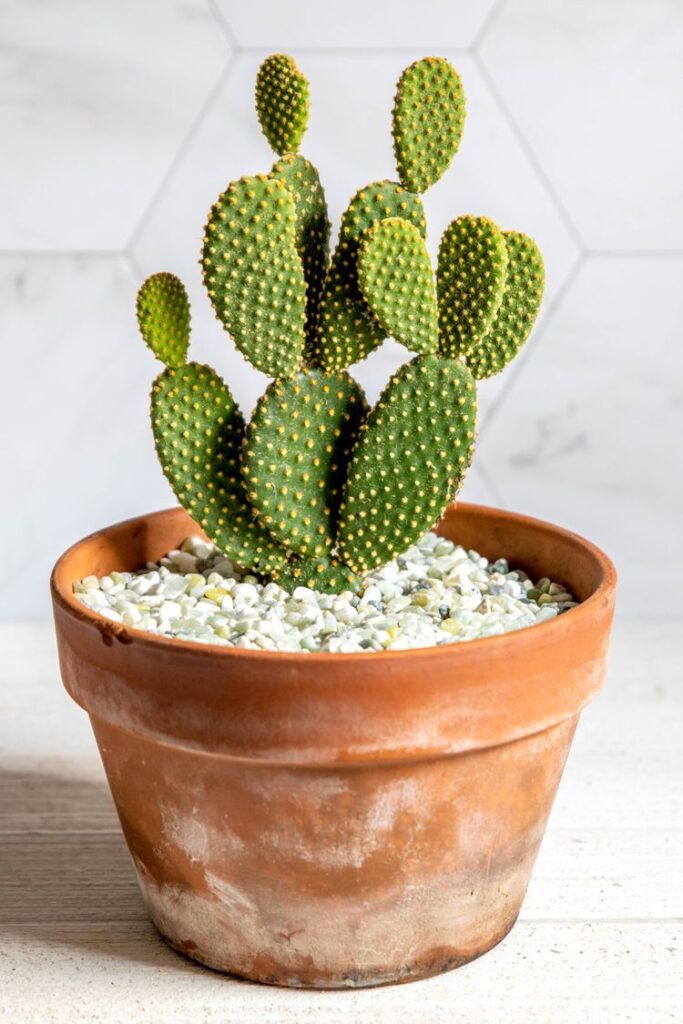
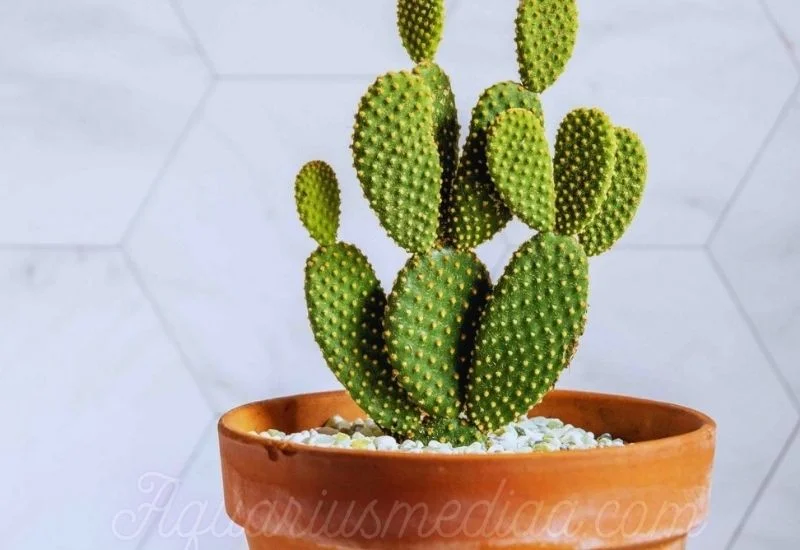
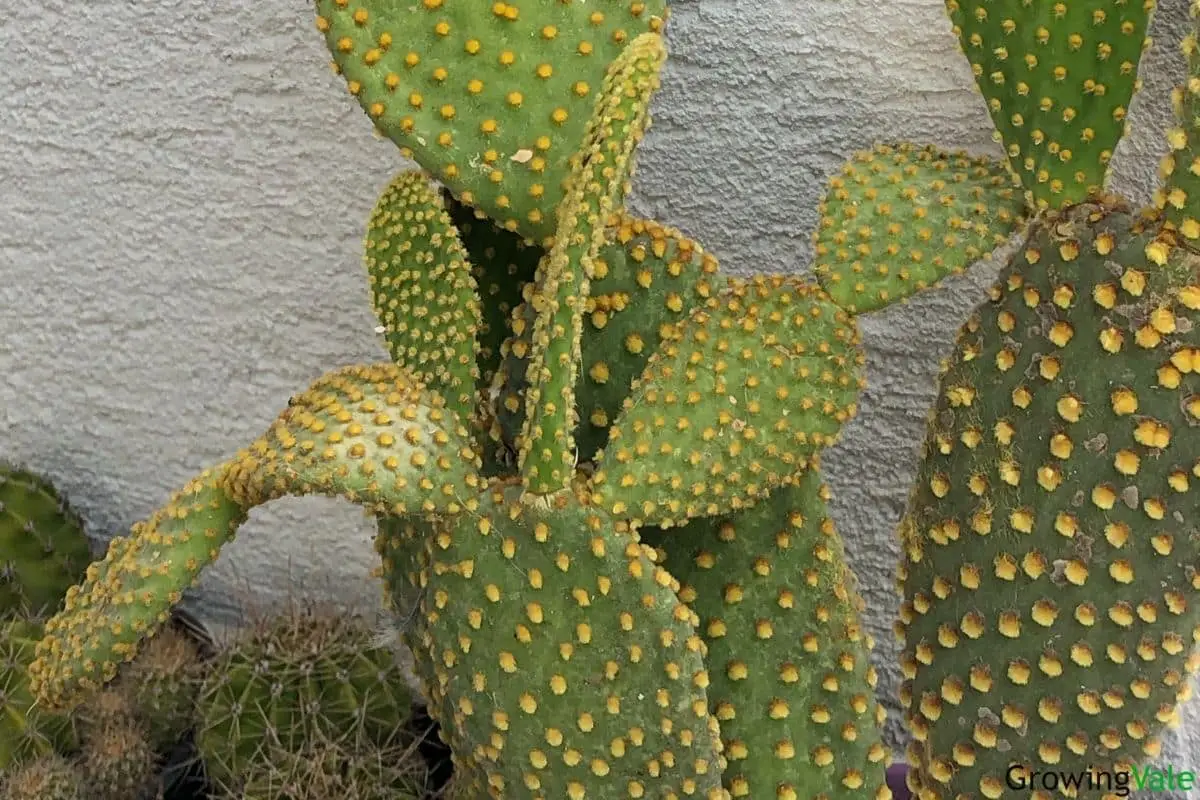
The Bunny Ear Cactus, or Opuntia microdasys, is a striking succulent that has captivated many plant enthusiasts. Known for its intriguing flat pads resembling ears, this plant produces skinny offshoots that can add a unique flair to any indoor or outdoor space. Beyond its aesthetics, there are compelling reasons behind the fascination with this botanical wonder.
Understanding the specific care requirements for the Bunny Ear Cactus, especially when it comes to the maintenance of its skinny offshoots, is crucial for any aspiring gardener. This article aims to elucidate the nuances of caring for this remarkable plant and to delve into the reasons for its growing popularity.
Here are some pivotal care tips and insights for nurturing the Bunny Ear Cactus with skinny offshoots, which will contribute to its thriving health and exquisite beauty.
Light Requirements: The Search for the Ideal Sunlit Corner
The Bunny Ear Cactus flourishes in bright, indirect sunlight. This plant is native to the arid environments of Mexico, where it has adapted to receive copious amounts of natural light. Positioning your cactus near a sunny window—ideally, east or south-facing—is optimal. However, direct sunlight during peak hours can scorch the pads, leading to unsightly browning.
Understanding the relationship between light and growth is paramount, particularly for fostering healthy offshoots. Inadequate light can result in elongated, leggy growth as the plant reaches for brightness. Conversely, placing it in an overly shaded area can stunt its development. As a rule of thumb, the more light it receives, the thicker and fuller these offshoots will become.
Watering Wisdom: The Critical Balance
Watering practices for the Bunny Ear Cactus require a level of finesse. This succulent is equipped to survive prolonged droughts, and overwatering remains one of the leading causes of its decline. The general guideline is to water deeply but infrequently, ensuring that the soil is entirely dry before the next watering session.
During the growing season, typically from spring to early fall, the cactus should be watered more frequently, perhaps every two to three weeks. In contrast, during the dormant winter months, reducing watering to once a month is advisable. The water should be applied directly to the base of the plant, taking care to avoid the pads themselves to prevent rot.
It’s prudent to check the soil’s moisture level with your finger or a moisture meter. A well-draining cactus soil mix will facilitate better airflow and prevent stagnant water. The condition of the offshoots can also signal the health of the plant; shriveled or discolored pads could indicate underwatering, while overly mushy pads are often a grim sign of overwatering.
Temperature and Humidity: Finding the Sweet Spot
The optimal temperature range for the Bunny Ear Cactus is between 70°F to 100°F (21°C to 38°C) during the day and slightly cooler at night. This succulent is highly resilient and can tolerate fluctuations; however, it is not frost-resistant. Therefore, bringing it indoors during cooler months is essential for those residing in temperate climates.
Humidity is another factor that requires attention. Bunny Ear Cacti thrive in low-humidity environments, which mimic their native habitats. Excessive moisture in the air can lead to fungal issues and pest infestations, creating a challenging environment for skinny offshoots to develop healthily. It is advisable to avoid placing the cactus near humidifiers or areas prone to high humidity, such as bathrooms.
Fertilization: Nourishing for Growth
Fertilizing Bunny Ear Cacti is best performed during the growing season, utilizing a diluted cactus-specific fertilizer every 4-6 weeks. This will promote robust growth, particularly for the offshoots. A well-balanced fertilizer containing essential nutrients like nitrogen, phosphorus, and potassium will help stimulate healthy pad and spine production.
In the dormant winter months, fertilization should cease completely. Too much food can cause the plant to become leggy and weak, resulting in poorly formed offshoots. Observing the natural rhythms of the plant is essential for maximizing its potential.
Pest Management: Safeguarding Against Intruders
Common pests that can afflict the Bunny Ear Cactus include mealybugs and spider mites. Regularly inspecting the pads and offshoots is critical to catching infestations early. If any pests are detected, prompt action should be taken using appropriate insecticidal soap or neem oil. Prevention is key; maintaining adequate airflow around the plant and ensuring not to crowd it with other vegetation minimizes the likelihood of pest issues.
The Fascination of Skinny Offshoots: A Deeper Connection
Many enthusiasts find themselves intrigued not only by the visual appeal of bunny ear cacti but also by the delicate balance required to maintain healthy skinny offshoots. The way in which these plants adapt and propagate showcases the intricate beauty of nature’s design. Each offshoot is a testament not only to the plant’s survival strategies but also to its ability to thrive in challenging conditions.
In essence, the Bunny Ear Cactus invites admiration from both novice and seasoned gardeners alike. The skinny offshoots symbolize resilience, versatility, and the rewarding partnership between the plant and its caretaker. A deeper understanding of their care requirements leads to a more profound appreciation of their existence.
In conclusion, with attentive care, the Bunny Ear Cactus can flourish into a remarkable specimen adorned with stunning offshoots. The journey of nurturing this captivating succulent offers rich rewards, aligned with the natural rhythms of growth, light, and life.
FAQ
How often should I water my Bunny Ear Cactus?
Water deeply but infrequently, typically every 2-3 weeks during the growing season, and reduce to once a month during winter. Ensure the soil is dry before watering again.
What kind of light does the Bunny Ear Cactus need?
It thrives in bright, indirect sunlight. East or south-facing windows are ideal, but avoid direct intense midday sun to prevent pad scorch.
How can I prevent pests on my Bunny Ear Cactus?
Regularly inspect for mealybugs and spider mites, maintain good airflow, avoid overcrowding, and use insecticidal soap or neem oil if pests appear.
Why are my Bunny Ear Cactus offshoots skinny or leggy?
Skinny or leggy offshoots are often caused by insufficient light, causing the plant to stretch towards the light source.
When should I fertilize my Bunny Ear Cactus?
Fertilize every 4-6 weeks during the growing season with a diluted cactus-specific fertilizer, and avoid fertilizing during dormancy in winter.
Leave a Reply