
Short Answer
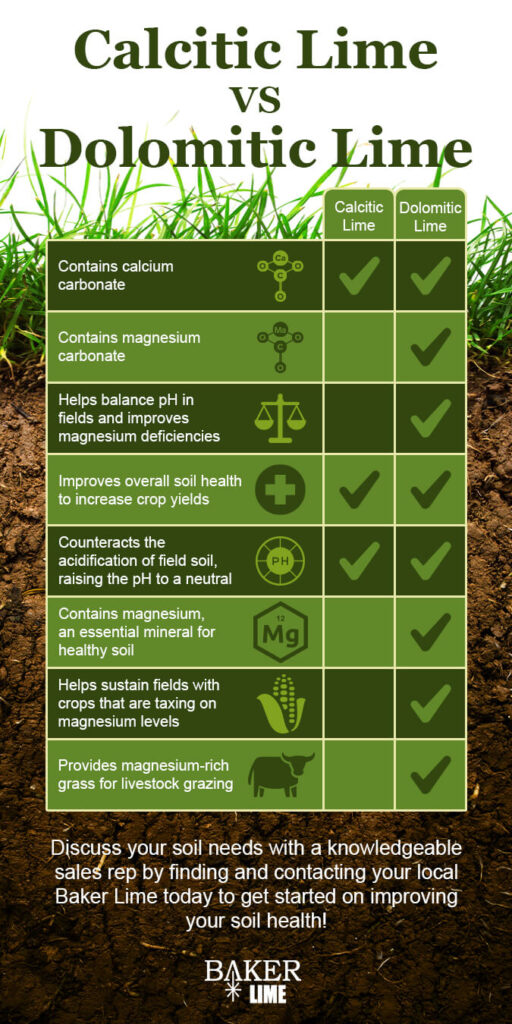
Dolomite lime, a natural mineral composed primarily of calcium carbonate and magnesium carbonate, plays an indispensable role in modern agriculture and gardening. Its multifaceted uses extend beyond mere soil amendment, offering a plethora of benefits that contribute to the overall health and vitality of soil ecosystems. This article delves into the diverse applications of dolomite lime, elucidating its significance in fostering robust soil conditions essential for plant growth.
When it comes to cultivating plants, particularly in acidic soils, the effects of dolomite lime are not only beneficial but often transformative. Acidic soils can impede nutrient availability, resulting in stunted growth and poor crop yields. The application of dolomite lime serves as a remedy. By increasing the soil’s pH, dolomite lime neutralizes acidity, thereby creating a more favorable environment for a wide array of plants.
Incorporating dolomite lime into your soil management strategy can yield a host of advantages—improving nutrient uptake, enhancing soil structure, and promoting microbial activity. Let us explore these uses in further detail.
Enhancing Nutrient Availability
One of the primary functions of dolomite lime is its role in ameliorating soil pH levels. Most plants thrive in a slightly acidic to neutral pH range of 6.0 to 7.0. When soil becomes overly acidic, vital nutrients such as nitrogen, phosphorus, and potassium become less available to plant roots. The addition of dolomite lime helps elevate pH levels, facilitating nutrient solubility and availability.
Moreover, dolomite lime itself is a source of magnesium and calcium—two essential nutrients that play significant roles in plant health. Magnesium is a critical component of chlorophyll, the molecule responsible for photosynthesis. Its presence in the soil fosters greener foliage and enhanced vitality in plants. Calcium, on the other hand, contributes to cell wall structure and stability, reducing the risk of diseases such as blossom end rot in crops like tomatoes.
Improving Soil Structure
Soil structure is paramount for effective water retention and aeration. Dolomite lime acts as a natural conditioner, modifying texture in clayey or compacted soils. By improving soil structure, dolomite lime enhances drainage, which reduces the likelihood of waterlogging and root rot. Well-structured soil allows for better root penetration and establishes a conducive environment for microbial life.
The increased aeration and drainage resulting from dolomite lime application also mitigate issues related to compaction, creating an optimal habitat for beneficial earthworms and other soil fauna. These organisms play a vital role in organic matter decomposition and nutrient cycling, further bolstering soil health.
Promoting Microbial Activity
The addition of dolomite lime creates an environment wherein beneficial microorganisms can thrive. Healthy microbial communities are essential for decomposing organic matter, enhancing nutrient cycling, and fostering soil fertility. Dolomite lime’s neutralizing effect on acidic soils promotes the proliferation of bacteria and fungi that contribute to organic matter degradation and nutrient transformation.
Furthermore, certain microbial processes facilitated by dolomite lime can enhance the availability of micronutrients, such as iron, boron, and manganese, which are crucial for various plant functions. These micronutrients are often locked away in acidic soils. The neutral pH established by dolomite lime enables plants to access these critical elements, leading to improved overall health and productivity.
Dolomite Lime in Organic Gardening
For organic gardeners, dolomite lime is an invaluable resource. Its natural composition complies with organic standards, making it a favorable choice for sustainable agriculture. Unlike synthetic fertilizers, dolomite lime modifies soil chemistry without introducing harmful chemicals, thereby maintaining ecological balance.
In addition to raising pH and supplying essential nutrients, dolomite lime aids in the management of soil health over the long term. It fosters a microbial-rich environment that is indicative of a well-balanced soil ecosystem. The resilience provided by dolomite lime enhances plants’ natural defenses against pests and diseases, further emphasizing its usefulness in organic gardening.
Environmental Benefits of Dolomite Lime
The benefits of dolomite lime extend beyond individual gardens or farms. When applied on a larger scale, it can contribute to environmental sustainability. By neutralizing acid rain’s cumulative effects on soil and surrounding ecosystems, dolomite lime can help restore balance to affected areas.
Moreover, the use of dolomite lime in agricultural practices can reduce the reliance on chemical fertilizers. By fostering a healthy soil microbiome and maintaining balanced pH levels, farmers can cultivate resilient crops that require fewer external inputs, thus reducing the ecological footprint of agriculture.
Conclusion
Dolomite lime is far more than simply a soil amendment; it is a multifaceted ally in the quest for healthy, productive soil. By enhancing nutrient availability, improving soil structure, promoting microbial activity, and offering benefits to organic gardening, dolomite lime emerges as an essential tool for gardeners and farmers alike. Its environmental advantages further solidify its position as a staple in sustainable agriculture practices. Whether you are a seasoned horticulturist or a novice gardener, the incorporation of dolomite lime can lead to flourishing gardens and bountiful harvests.
FAQ
What is dolomite lime and why is it used in soil?
Dolomite lime is a natural mineral that neutralizes acidic soils and provides essential nutrients like calcium and magnesium to improve soil health.
How does dolomite lime affect plant growth?
By raising soil pH and supplying key nutrients, dolomite lime enhances nutrient uptake, strengthens plant structure, and promotes healthier growth.
Is dolomite lime safe for organic gardening?
Yes, dolomite lime complies with organic standards and is a natural way to maintain soil fertility without synthetic chemicals.
Can dolomite lime improve soil structure?
Yes, it helps condition compacted or clayey soils, improving drainage and aeration.
What environmental benefits does dolomite lime provide?
It helps neutralize acid rain effects, supports soil microbial communities, and reduces dependency on chemical fertilizers.


Leave a Reply