
Short Answer
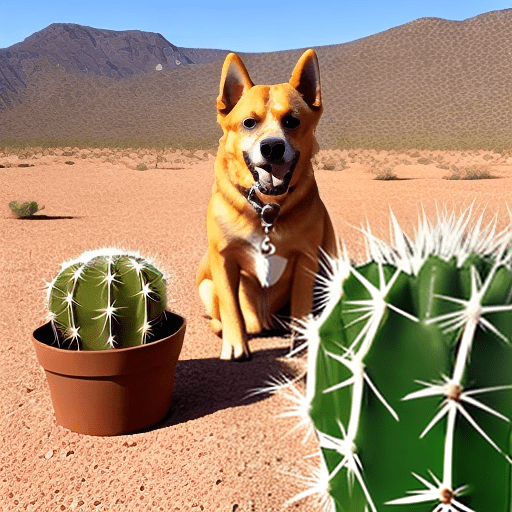
When pondering the question, “Can dogs eat cactus fruit?”, dog owners may find themselves grappling with a delightfully unique culinary conundrum. The prickly pear, or cactus fruit, with its vibrant hues and exotic allure, may present not just a visual treat but also beckon a taste test for our furry companions. However, a prudent exploration of this intriguing fruit’s safety and nutritional value for dogs is essential before offering it as a tempting morsel.
Determining if cactus fruit is safe for canine consumption is multifaceted, as it involves an understanding of the fruit’s composition, its potential benefits, and the possible challenges that may arise from its introduction into a dog’s diet. This article embarks on an extensive examination of these facets.
Understanding Cactus Fruit: Nature’s Deli
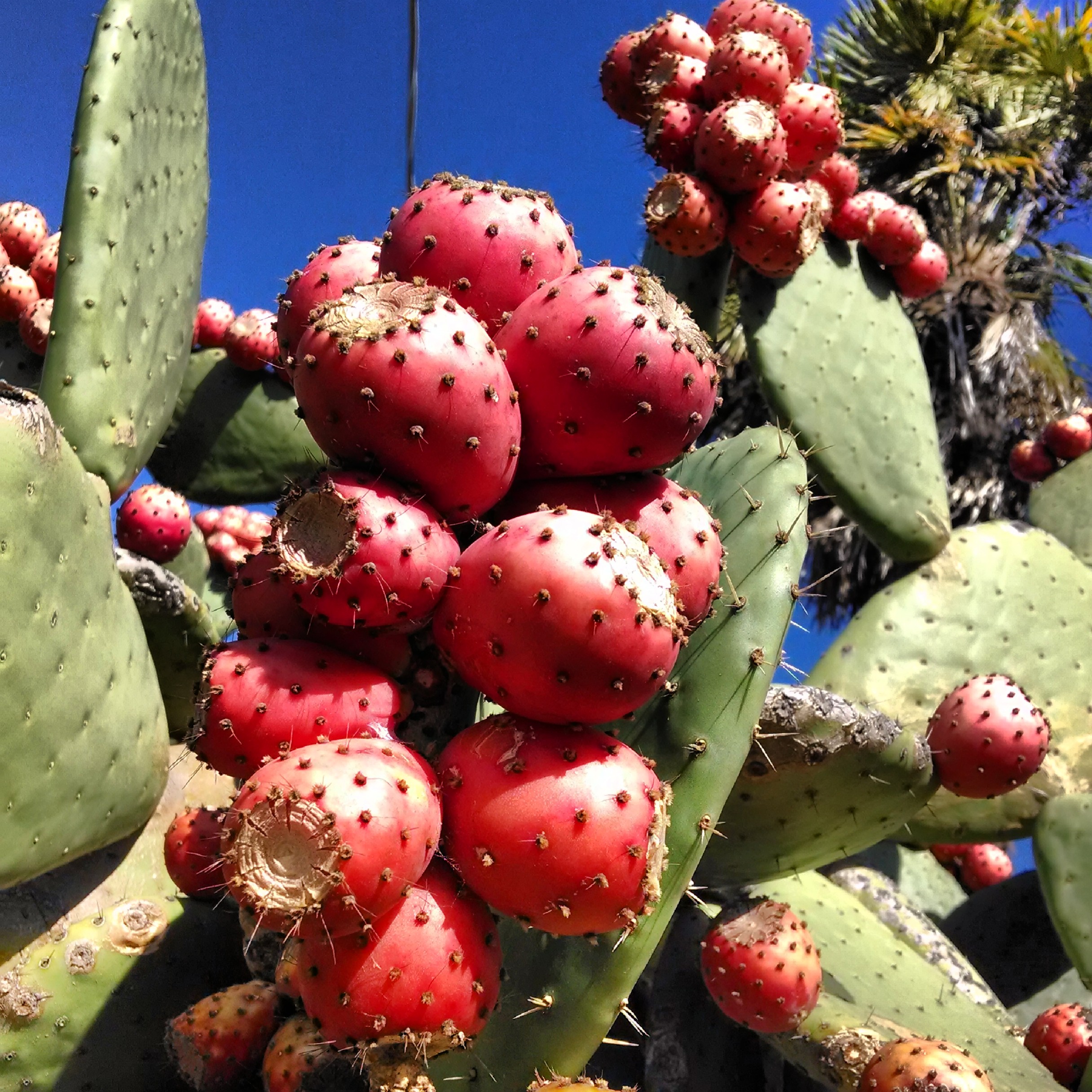
What exactly is cactus fruit, and why has it captured the interest of both humans and animals alike? Cactus fruit, particularly from the Opuntia species, is celebrated for its succulent texture and charming sweetness. Often encapsulated in vibrant colors ranging from deep magenta to bright yellow, it is rich in vitamins, minerals, and antioxidants. To many, it serves as a refreshing snack, typically eaten raw or blended into juices and jams. Its high water content and fibrous nature may appeal to those seeking a hydrating treat.
However, even appealing foods come with their complexities, especially when considering the dietary needs of dogs. Dogs have different digestive systems compared to humans. While the allure of cactus fruit might entice a curious pup, it’s imperative to dive deeper into the composition of this fruit to determine its safety profile.
Nutrition Awaits: Are There Benefits for Pooches?
Diving into the nutritional tableau of cactus fruit reveals a wealth of potential benefits. Rich in vitamins C and A, as well as various antioxidants, this fruit might offer some protective health aspects for dogs, promoting overall well-being. Additionally, thanks to its fiber content, cactus fruit may aid in supporting a healthy digestive process when introduced in moderation.
However, the key term here is moderation. The introduction of any new food should be gradual. While the fiber in cactus fruit can assist with digestion, too much of it could lead to gastrointestinal upset. It’s crucial for pet owners to be observant of their dog’s reaction when trying new treats.
Assessing the Risks: Realities to Consider
As captivating as the potential benefits may be, it is the inherent risks that deserve attention. Firstly, the spines and glochids, or tiny barbed spines, on the cactus can pose a significant hazard. If not properly prepared, these can be harmful and lead to mouth or digestive injuries in dogs. Ensuring that the fruit is meticulously cleaned and devoid of any prickly components is paramount before considering it a safe snack.
Moreover, while cactus fruit is low in calories, the presence of natural sugars can be a concern. Canines that are insulin resistant or diabetic should especially avoid the fruit due to insulin regulation challenges. An owner must evaluate their pet’s health profile and dietary needs before introducing new foods, ensuring it aligns with any pre-existing conditions.
How to Safely Serve Cactus Fruit to Dogs
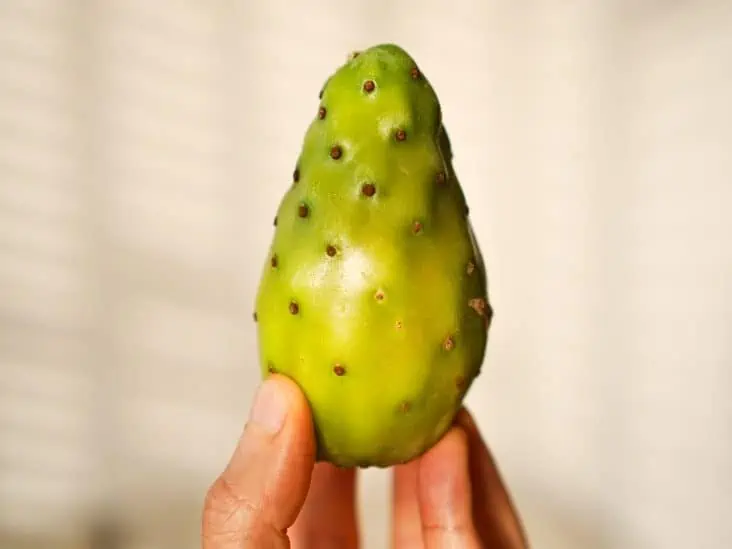
If your contemplation leads you to deem cactus fruit a safe choice, preparation is essential. The fruit should be carefully peeled, with the spines and glochids completely removed. This step is non-negotiable, as safety must come first. Once cleaned, it can be diced into small, manageable pieces to prevent choking hazards. Dogs often prefer soft textures, so mashing the fruit into a puree may be another appealing option.
Serving cactus fruit should be approached as a treat rather than a staple food. Incorporate it into their diet sparingly, paying close attention to your pet’s reaction. If they show any signs of discomfort or digestive distress, it may be prudent to refrain from future servings. Offering cactus fruit alongside their regular dog food can also help ease the transition to this novel snack.
Final Thoughts: A Unique Treat Worth Considering
In summary, the idea of treating canine companions to cactus fruit opens an avenue of excitement and flavor. This colorful fruit could introduce various nutrients beneficial to their health, but potential hazards necessitate caution. The exploration of canines’ relationship with exotic foods can foster a deeper understanding of dietary considerations and introduce variety to their meals. As you navigate this culinary journey, always consult with a veterinarian to ensure that each new choice aligns with your dog’s unique health needs and preferences.
Ultimately, examining the pertinent aspects of cactus fruit offers insights not only into what is safe for dogs but also how varied their diet can be. Each choice enriches the bond between dog and owner and could transform mealtime into an adventurous feat.
FAQ
Can all types of cactus fruit be safely given to dogs?
Not all cactus fruits are safe for dogs. It’s important to ensure the fruit is from a non-toxic cactus species like Opuntia and that all spines and glochids are removed before feeding.
What are the risks of feeding cactus fruit to dogs?
Risks include physical injury from cactus spines or glochids, gastrointestinal upset from excessive fiber, and potential issues from natural sugars especially in diabetic dogs.
How should cactus fruit be prepared before giving it to a dog?
The fruit should be carefully peeled to remove all spines and glochids, diced into small pieces or pureed to prevent choking, and offered only in moderation as a treat.
Is cactus fruit beneficial to a dog's health?
Cactus fruit contains vitamins C and A, antioxidants, and fiber, which may support a dog’s overall health and digestion when given in small amounts.
Should I consult a veterinarian before feeding my dog cactus fruit?
Yes, always consult a veterinarian before introducing new foods like cactus fruit, especially if your dog has underlying health conditions.


Leave a Reply