
Short Answer
Harvesting and eating cactus fruit can be an enriching experience. Understanding the nuances of this unique fruit enhances not only the enjoyment but also the appreciation for its remarkable qualities. Herein lies a comprehensive guide on how to properly harvest and savor cactus fruit.
The Most Common Types of Cactus Fruits
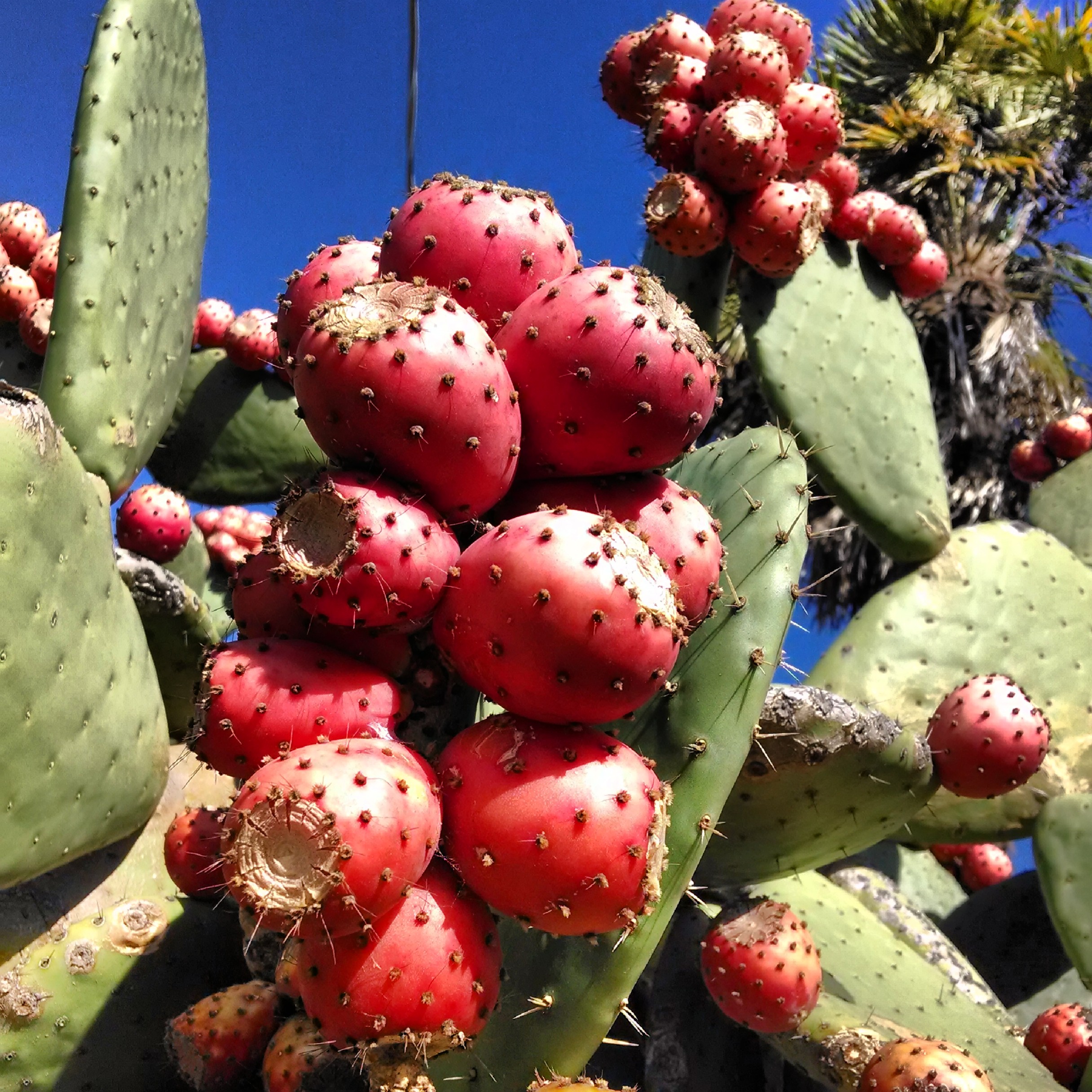
The world of cacti is diverse, featuring various fruits that differ in flavor, texture, and appearance. The most well-known variety is the prickly pear, often recognized for its vibrant magenta or yellow skin. Belonging to the Opuntia genus, prickly pears are characterized by their sweet flesh, which can range from mildly tart to delectably sweet. The fruit is typically covered with small spines, or glochids, which make handling them tricky. Additionally, the saguaro cactus produces a tiny, star-shaped fruit known as the saguaro fruit, celebrated for its tangy taste. Other noteworthy varieties include the dragon fruit, from the Hylocereus genus, known for its striking appearance and subtle sweetness, and the tuna fruit, also from the Opuntia family, which offers a similar flavor profile to prickly pear but varies in texture.
Identifying the Right Time to Harvest
Timing is crucial when it comes to harvesting cactus fruit. The ideal period typically spans late summer to early fall when the fruit showcases vibrant colors and achieves optimal ripeness. Observing the skin’s hue is your first step — a rich, deep color indicates readiness. Moreover, firmness is a significant factor; the fruit should yield slightly to pressure yet not be overly soft. To achieve the best flavor and texture, harvest in the morning after the dew has evaporated, allowing you to enjoy the freshest produce.
Gathering Tools and Precautions
Before setting out to harvest cactus fruit, it is imperative to equip yourself with the appropriate tools for safety and efficiency. A pair of sturdy gloves is essential for protection against the cactus spines. Long-tongued tongs or a fruit-picker will assist in removing the fruit from the plant without direct contact. Additionally, a basket or cloth bag can collect the fruit while limiting bruising. It is advisable to wear long sleeves and pants to safeguard against unexpected scrapes as you maneuver through the prickly terrain. Following environmental guidelines while harvesting is also vital — ensure you do not excessively deplete a wild population, preserving the ecosystem for future growth.
The Art of Harvesting Cactus Fruit
When selecting fruit from the cactus, approach with care. Utilize your gloves to grasp the base of the fruit firmly and twist gently until it detaches. For prickly pears, a slight upward motion can help. If necessary, cut the fruit with a knife if it does not yield easily. Always harvest in moderation, taking just what you need. Once collected, inspect your haul; remove any that are overly soft or damaged to ensure only the best fruit makes it home.
Removing Spines: The Essential Step
Once back at your kitchen or preparation area, the next step involves careful removal of the glochids. Using a vegetable peeler or knife, gently scrape the skin to remove smaller spines. A more effective method is to singe the skin over an open flame, making it easier to wipe away the spines with a cloth. Always exercise caution; ensure your workspace is well-ventilated when using flame.
Deconstructing the Fruit: Methods for Preparation
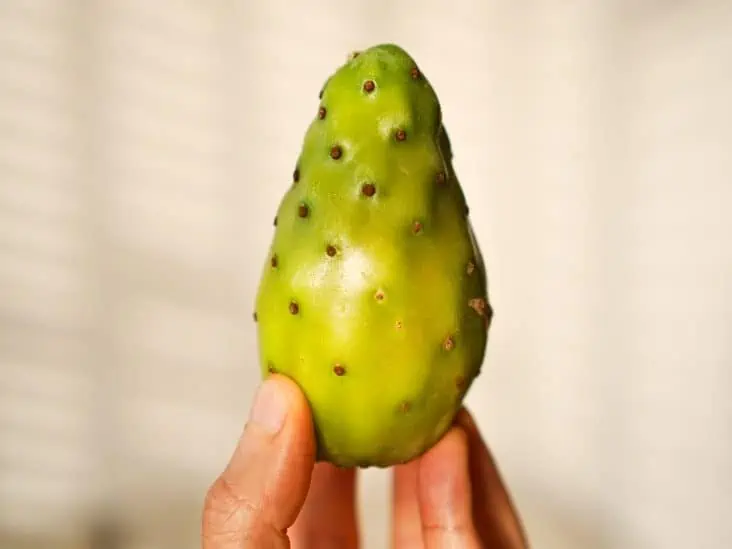
Cutting into cactus fruit may reveal its juicy, succulent flesh. Start by slicing the ends off before making a vertical incision down the side. Gently peel back the skin to extract the flesh, which varies in color from deep red to light green, depending on the species. The seeds, small and crunchy, are edible but can be removed if a smoother texture is preferred in recipes.
Serving Suggestions: Tantalizing Possibilities
Cactus fruit is incredibly versatile, making it a delightful addition to numerous dishes. One can simply enjoy it raw, serving chilled wedges at a summer gathering. For a refreshing beverage, blend the flesh with a splash of lime juice and sweetener to create a vibrant cactus fruit juice. Incorporating the fruit into salads or salsas adds a unique twist while providing essential nutrients like vitamin C and antioxidants. Additionally, it can be transformed into jellies, jams, or even sorbets for those with a sweet tooth.
The Nutritional Benefits of Cactus Fruit
Cactus fruits are not only delicious but also boast numerous health benefits. Rich in dietary fiber, they promote digestive health and help maintain stable blood sugar levels. Additionally, the antioxidants found within the fruit combat oxidative stress, promoting overall wellness. The low-calorie count coupled with high nutritional value makes it an excellent choice for those looking to enhance a balanced diet.
Final Thoughts: Enjoying Cactus Fruit Responsibly
As with all foraging endeavors, enjoying cactus fruit responsibly is essential. Always ensure that your harvesting practices are sustainable, allowing future generations the opportunity to enjoy this unique treat. With its distinctive flavor and numerous applications, cactus fruit presents an irresistible culinary adventure. By following the outlined steps, one can enjoy the gratifying process of harvesting and savoring the reward of freshly gathered cactus fruit.
FAQ
What types of cactus fruit are commonly eaten?
Common edible cactus fruits include prickly pear, saguaro fruit, dragon fruit, and tuna fruit.
How do you know when cactus fruit is ripe for harvesting?
Ripe cactus fruit shows vibrant colors, yields slightly to pressure, and is best harvested in late summer to early fall.
What precautions should be taken when harvesting cactus fruit?
Wear gloves and protective clothing, use tongs or a fruit picker to avoid spines, and harvest sustainably without depleting wild populations.
How do you remove the spines from cactus fruit safely?
Spines can be removed by scraping with a vegetable peeler or knife, or by carefully singeing the skin over an open flame and wiping them off.
Can cactus fruit seeds be eaten?
Yes, the seeds are edible and crunchy, but may be removed if a smoother texture is preferred.



Leave a Reply