
Short Answer
In the vast tapestry of nature, cacti serve as a distinctive stitch, remarkable in their resilience and beauty. These remarkable plants thrive in arid landscapes, capturing the imaginations of botanists, adventurers, and nature enthusiasts alike. Yet, to truly appreciate the allure of cacti, one must embark on a quest to discover the optimal locations where these enigmatic plants flourish. This exploration will reveal the best destinations to observe cacti in their native habitats, celebrating their tenacity in the face of adversity.
Across the globe, the allure of cacti draws keen observers to their natural environments. From the sun-drenched deserts of the American Southwest to the less-trodden paths of South America, each location offers a unique tableau for these remarkable life forms. By honing in on specific locales, enthusiasts can unearth the intricate beauty of cacti while gaining valuable insights into their ecosystems.
Before embarking on this journey, it is imperative to understand that the habitat of cacti is a testament to their evolution. Typically found in arid and semi-arid regions, these succulent wonders have developed adaptations that allow them to survive with minimal water. This resilience only adds to their mystique, making your search for them all the more rewarding as you traverse their arid domains.
The American Southwest: A Cactus Wonderland
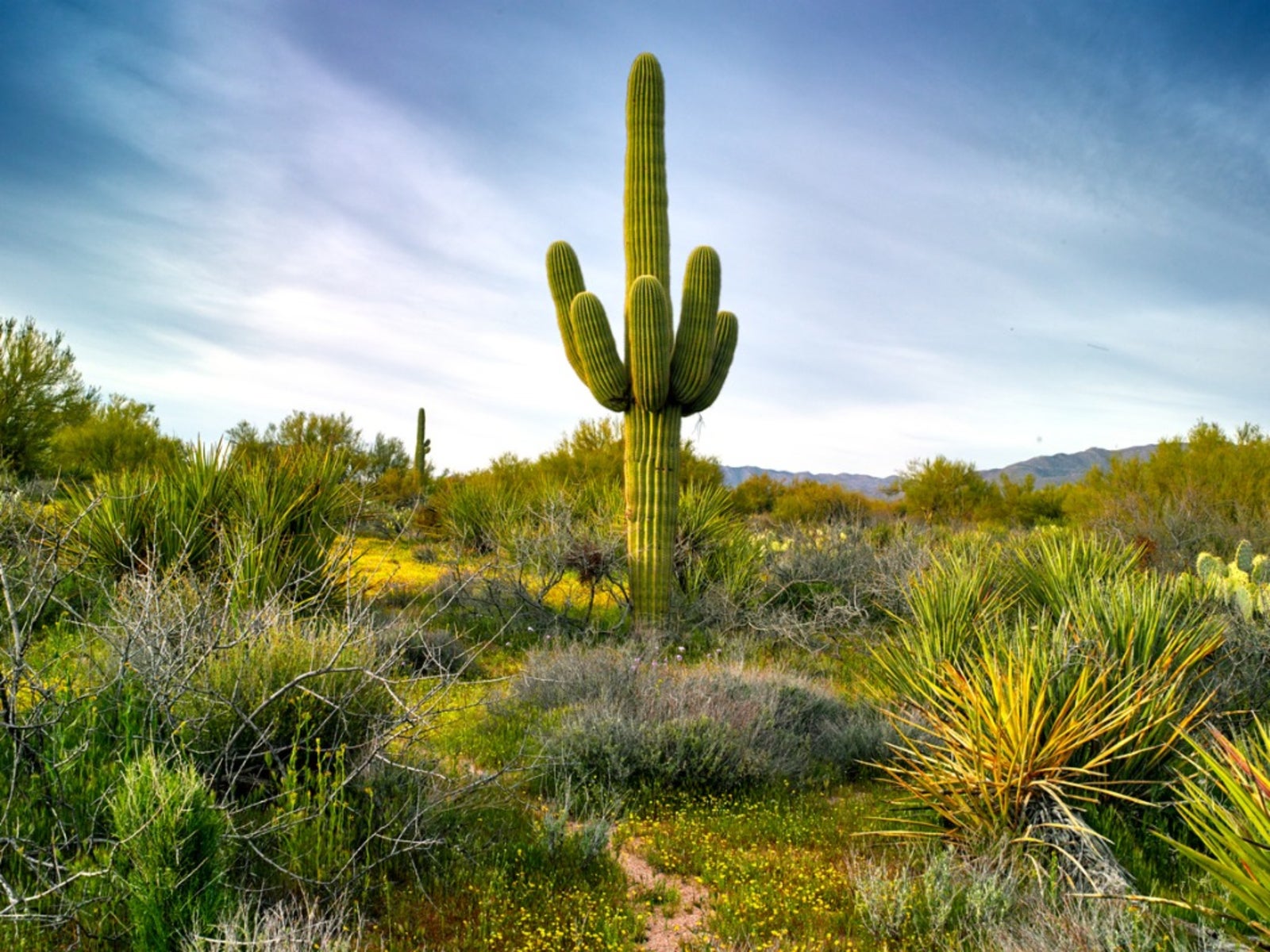
The American Southwest is nothing short of a haven for cactus enthusiasts. This region is an intricate mosaic of mountains, canyons, and deserts, where cacti reign supreme. Among the most iconic areas lies the Sonoran Desert, spanning parts of Arizona, California, and Mexico. Here, the majestic Saguaro cactus (Carnegiea gigantea) stands tall like sentinels of the desert, embodying the spirit of the arid landscape.
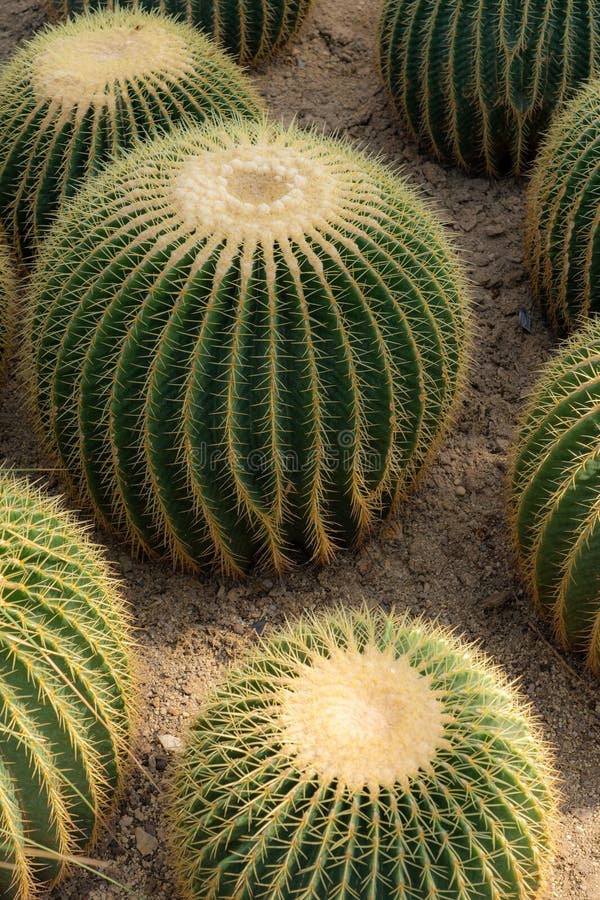
Within the bounds of Saguaro National Park, one can traverse trails lined with these giants, their silhouettes etched against the sun-drenched sky. As you walk, observe the playful shadows they cast and the subtle dance of light filtering through their spiny arms. The Saguaro is not merely a plant; it is a symbol of endurance, representing life amidst harsh conditions. This park, along with nearby Organ Pipe Cactus National Monument, offers plentiful opportunities to witness the varied species that flourish within this unique ecosystem, including the iconic Organ Pipe cactus (Stenocereus thurberi) and the Fishhook Barrel cactus (Ferocactus WH) with its striking spines.
Exploring the deserts of California also reveals a diverse array of cacti. Joshua Tree National Park, with its otherworldly rock formations and arid scrubland, provides a perfect backdrop for observing the fascinating Joshua trees alongside various cactus species. The scene presents a striking contrast between the spiky cacti and the sprawling, whimsical shapes of the Joshua trees. This intertwining of flora exemplifies the symbiotic relationships that exist in these environments, showcasing the resilience of life in even the harshest of conditions.
South American Splendors: Beyond Borders
Venturing southward, one discovers an entirely different realm of cacti, where the Andes mountains cradle a plethora of unique species. In Argentina, the high-altitude regions such as the Puna and the high valleys of Salta and Jujuy are teeming with mysteries waiting to be uncovered. The giant Cardón cactus (Echinopsis terscheckii), a true leviathan of the plant kingdom, towers above the landscape, casting its shadow on the sparse ground below.
In Bolivia, the Uyuni Salt Flats offer a surreal panorama where the silhouettes of cacti stand stark against the vast, reflective salt crust. The Incahuasi Island, adorned with massive cacti, creates an almost extraterrestrial atmosphere, merging land and sky in an ethereal spectacle. Here, one can immerse in the tranquility of the Andean highlands, discovering the deceptively intricate ecosystems that thrive against all odds.
Even in Brazil, the caatinga region is home to a plethora of endemic cactus species, each more intriguing than the last. As you explore the arid landscapes, the striking diversity of these cacti serves as a reminder of life’s tenacity, flourishing where others would falter. Keep your eyes peeled for the beautiful Mandacaru cactus (Cereus jamacaru), known for its stunning nocturnal flowers.
Cactus Conservatories: An Urban Oasis
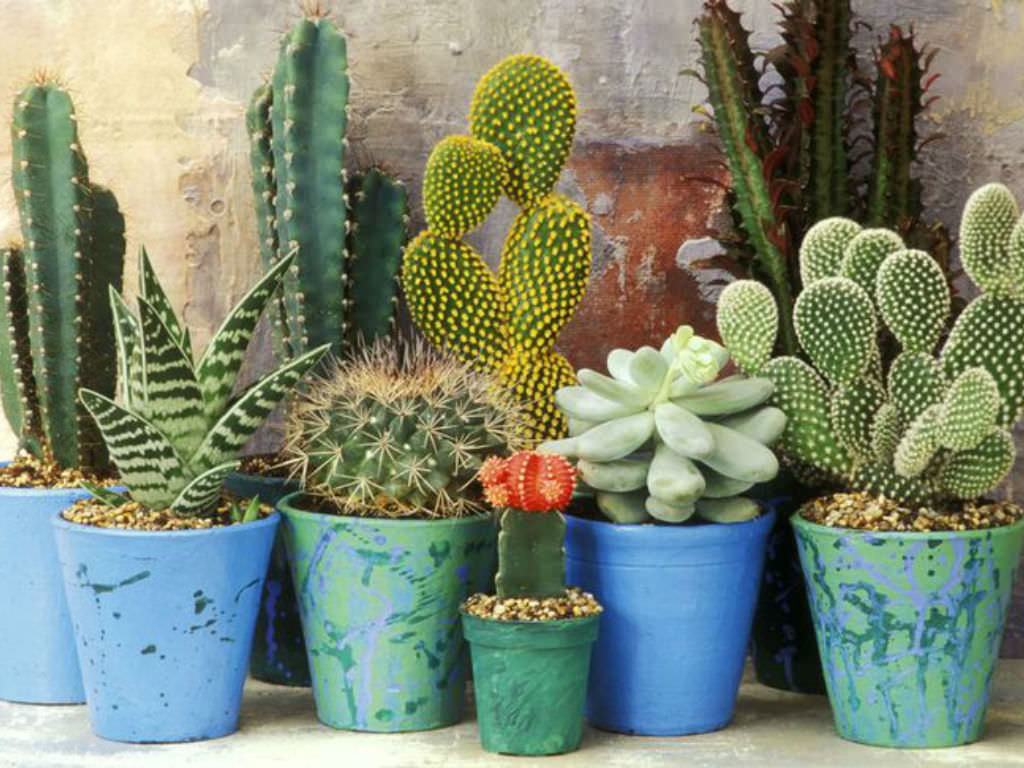
For those who may not be able to traverse the rugged landscapes of deserts and mountains, cactus conservatories offer a delightful alternative. Many botanical gardens around the world feature dedicated areas for cacti, providing a microcosm of their native habitats. The Desert Botanical Garden in Phoenix, Arizona, is a prime example, showcasing over 50,000 desert plants in an area that evokes the tranquility of the desert biome.
Within these urban oases, visitors can witness cacti from across different regions and climates. The gardens often host educational programs and guided tours, enhancing the experience by imparting knowledge about the ecological roles and conservation efforts surrounding these iconic plants. Observing cacti in a controlled environment allows enthusiasts to appreciate their intricate structures and adaptations without the challenges of extreme weather.
Closing Thoughts: The Cacti’s Call to Adventure
Embarking on a journey to discover cactus plants is akin to venturing into a treasure hunt marked by resilience and beauty. From the vast deserts of the American Southwest to the stunning landscapes of South America, each region presents a unique experience filled with opportunity for exploration and discovery. As cacti endure and thrive in their often inhospitable environments, they beckon to intrepid adventurers to delve into their world. So lace up your hiking boots, pack your essentials, and set forth on an exhilarating quest to find these remarkable plants. The search will reveal more than just a captivating flora; it will unveil a deeper understanding of nature’s tenacity and the unyielding spirit of life.”
FAQ
Where can I find iconic cacti like the Saguaro?
Iconic cacti such as the Saguaro can be found in the Sonoran Desert region, particularly within Saguaro National Park in Arizona.
Are there cactus species unique to South America?
Yes, South America hosts unique species like the giant Cardón cactus in Argentina and the Mandacaru cactus in Brazil's caatinga region.
What are cactus conservatories?
Cactus conservatories are botanical gardens or dedicated areas that cultivate and display a variety of cactus species, offering educational and viewing opportunities.

Leave a Reply