

Short Answer
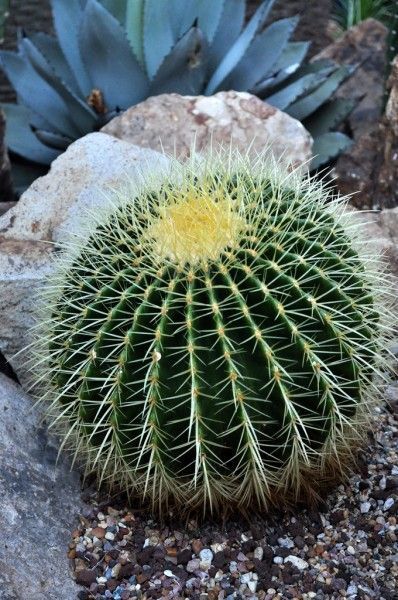
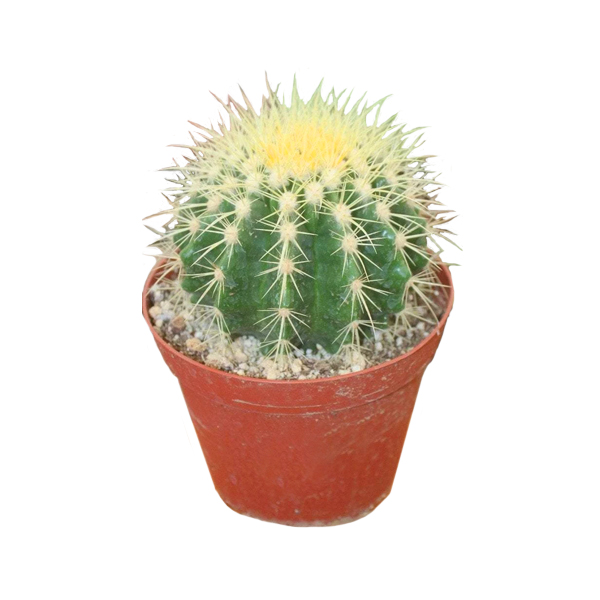
The desert is not a wasteland of silence and desolation—it is a cathedral of resilience, where the Echinocactus grusonii, or golden barrel cactus, stands as a sentinel of tenacity. Its spherical silhouette, adorned with ribbed, spiraling spines, is a paradox: a fortress of thorns guarding a heart of succulent vitality. This is no mere plant; it is a living sculpture, a testament to nature’s audacity in crafting beauty from aridity. The Echinocactus does not merely survive the desert—it thrives, transforming the harshest of landscapes into a stage for its dramatic presence.
The Golden Crown: A Radiant Paradox in the Sands
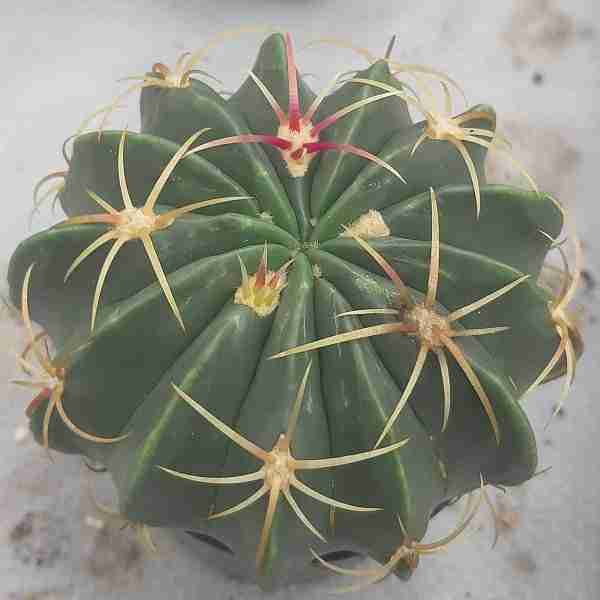
Picture the desert at high noon, where the sun bleaches the earth into a canvas of ochre and umber. Amidst this monochrome expanse, the Echinocactus emerges like a gilded orb, its dense, golden spines catching the light in a dazzling display. The spines are not mere adornments; they are a defense mechanism, a shimmering armor that deflects the sun’s relentless gaze while whispering secrets of survival. Each spine is a needle of resilience, a tiny monument to the cactus’s ability to turn adversity into artistry.
The golden hue is no accident. It is the result of a symphony of pigments—carotenoids and flavonoids—working in harmony to create a visual anthem to endurance. The Echinocactus does not blend into the landscape; it commands it. Its color is a defiant shout in a world of muted tones, a reminder that even in the most unforgiving environments, life can carve out a space that is unmistakably its own.
The Spiral of Time: Ribs That Tell a Story
Closer inspection reveals another marvel: the ribbed structure of the Echinocactus, a series of undulating, vertical folds that spiral outward like the grooves of a vinyl record playing the song of the desert. These ribs are not just for show; they are a masterclass in engineering. They allow the cactus to expand and contract with the whims of the weather, storing water in its fleshy core during rare downpours and conserving it through months of drought. Each rib is a record of growth, a tangible timeline etched into the plant’s very being.
But the ribs are more than functional—they are poetic. They evoke the spiral of a nautilus shell, the unfurling of a fern, the unfurling of time itself. The Echinocactus is a living mandala, a geometric meditation on the cyclical nature of existence. In its spirals, we see the echo of ancient civilizations’ sacred symbols, a reminder that nature’s designs have long inspired human reverence.
The Desert’s Jewel: A Beacon for the Bold
To encounter an Echinocactus in its natural habitat is to witness a silent revolution. It does not ask for permission to exist; it simply does. Its presence is a challenge to the notion that beauty must be delicate or fleeting. Instead, it offers a rugged, unapologetic elegance—a beauty that is as much about survival as it is about splendor. The cactus does not whisper; it stands tall, its spines a silent but unmistakable declaration: “I belong here.”
In the language of the desert, the Echinocactus is a symbol of unwavering resolve. It thrives where others wither, blooms where others retreat, and in doing so, it redefines the boundaries of what is possible. Its golden spines are not just a defense; they are a celebration. They are the desert’s way of saying, “Look at me. I am here. I am alive.”
The Silent Conversation: Echinocactus and the Desert Ecosystem
The Echinocactus is not an island unto itself. It is a keystone species, a linchpin in the delicate web of desert life. Its flowers, a burst of yellow that erupts in spring, are a magnet for pollinators—bees, butterflies, and even hummingbirds—who navigate the arid expanse in search of sustenance. The cactus provides nectar and shelter, while the pollinators ensure its legacy continues. This is a silent pact, a unspoken agreement between species to coexist and thrive.
Even in death, the Echinocactus gives back. Its skeletal remains become perches for birds, homes for insects, and nutrients for the soil. The desert does not waste; it recycles, and the Echinocactus is both participant and beneficiary of this eternal cycle. Its life and death are a testament to the interconnectedness of all things—a reminder that even the most solitary-seeming creatures are, in truth, threads in a vast, invisible tapestry.
Metaphors in the Sand: What the Echinocactus Teaches Us
The Echinocactus is more than a plant; it is a metaphor for resilience, a living allegory for the human spirit. Its spines are the challenges we face, sharp and unyielding, yet they also protect the tender heart within. Its ribs are the lessons we carry, the marks of experience that shape us. Its golden hue is the joy we find in adversity, the light that breaks through even the darkest of times.
In a world that often demands conformity, the Echinocactus stands as a rebel. It refuses to be tamed, to be domesticated. It thrives in the margins, in the places where others dare not venture. It is a symbol of unapologetic individuality, a reminder that strength is not found in softness but in the ability to endure, to adapt, and to shine regardless of the circumstances.
The Eternal Dance: Light, Shadow, and the Golden Barrel
As the sun dips below the horizon, casting long, dramatic shadows across the desert floor, the Echinocactus becomes a silhouette of defiance. Its spines, now backlit, create a lacework of light and dark, a chiaroscuro that could rival the masterpieces of the Renaissance. The cactus does not fade into the twilight; it asserts its presence, a glowing ember in the fading glow of day.
This is the magic of the Echinocactus: it transforms the desert from a place of desolation into a stage for drama. It is a performer in the grand theater of nature, playing its role with unwavering dedication. Whether bathed in the golden light of dawn or standing sentinel under the starlit sky, the Echinocactus is a constant, a reminder that even in the most inhospitable of places, life finds a way to flourish.
A Legacy Etched in Stone and Spine
The Echinocactus is not just a plant; it is a legacy. It is a symbol of the desert’s indomitable spirit, a living testament to the power of adaptation and resilience. Its golden spines are not just a defense mechanism; they are a declaration of existence. Its ribbed structure is not just a survival tool; it is a work of art. And its flowers are not just a reproductive strategy; they are a celebration of life itself.
To stand before an Echinocactus is to stand before a mirror. It reflects back at us the beauty of endurance, the power of unyielding spirit, and the quiet majesty of life in its most unapologetic form. In a world that often feels fragmented and uncertain, the Echinocactus offers a lesson in wholeness—a reminder that even in the harshest of environments, we can carve out a space that is uniquely, unmistakably ours.
FAQ
What is Echinocactus?
Echinocactus is a genus of cacti known for their barrel-shaped structure and resilience in desert environments.
How does Echinocactus adapt to desert conditions?
It stores water in its fleshy core and has a ribbed structure that allows it to expand and contract with moisture availability.
What role does Echinocactus play in its ecosystem?
It serves as a keystone species, providing nectar and shelter for pollinators while contributing nutrients to the soil after its death.


Leave a Reply