

Short Answer
In the quiet corners of deserts and the sun-drenched slopes of arid mountains, a silent drama unfolds—one that often escapes the notice of the casual observer. Gymnocalycium species, those globular cacti with their jewel-like ribs and understated elegance, are not merely botanical curiosities. They are survivors. Yet, beneath their spiny armor lies a vulnerability that has begun to surface in recent decades. Are these resilient plants truly endangered? The answer is as layered as the ecosystems they inhabit, revealing a story of ecological fragility, human impact, and the urgent need for conservation.
The Hidden Plight of Desert Jewels: Why Gymnocalycium Species Demand Our Attention
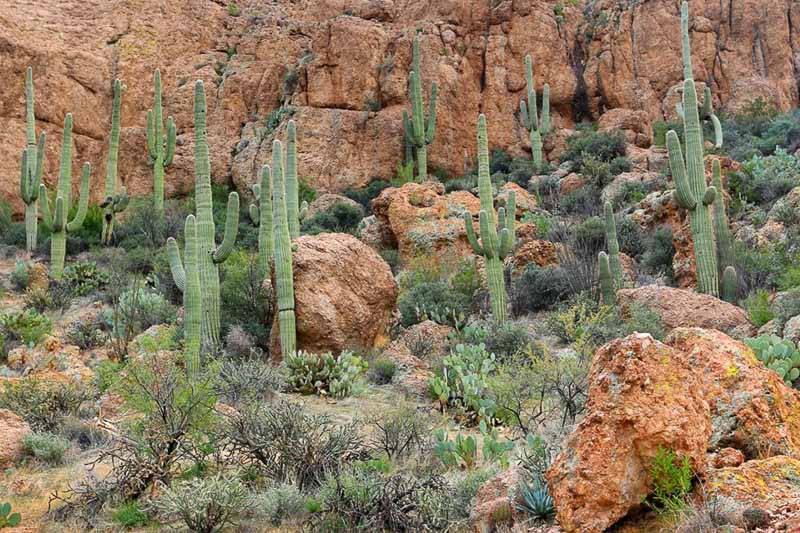
At first glance, a Gymnocalycium might seem like just another cactus—stubborn, slow-growing, and unassuming. But these plants are far more than their prickly exteriors suggest. Native to South America, particularly Argentina and Bolivia, they thrive in some of the most inhospitable environments on Earth. Their globular forms, often tinged with hues of pink, purple, or deep green, belie a complex life cycle adapted to extreme aridity. Yet, their very resilience is now being tested by forces both natural and anthropogenic.
What makes their situation particularly poignant is their role in the ecosystem. Gymnocalyciums are not just passive inhabitants of their environments; they are keystone species. Their flowers provide nectar for pollinators in otherwise barren landscapes, while their fruits sustain desert-dwelling fauna. When these cacti disappear, the ripple effects are felt across entire food webs. The decline of Gymnocalycium species isn’t just a botanical issue—it’s an ecological alarm bell.
Decoding the Red Flags: What the Data Tells Us About Their Status
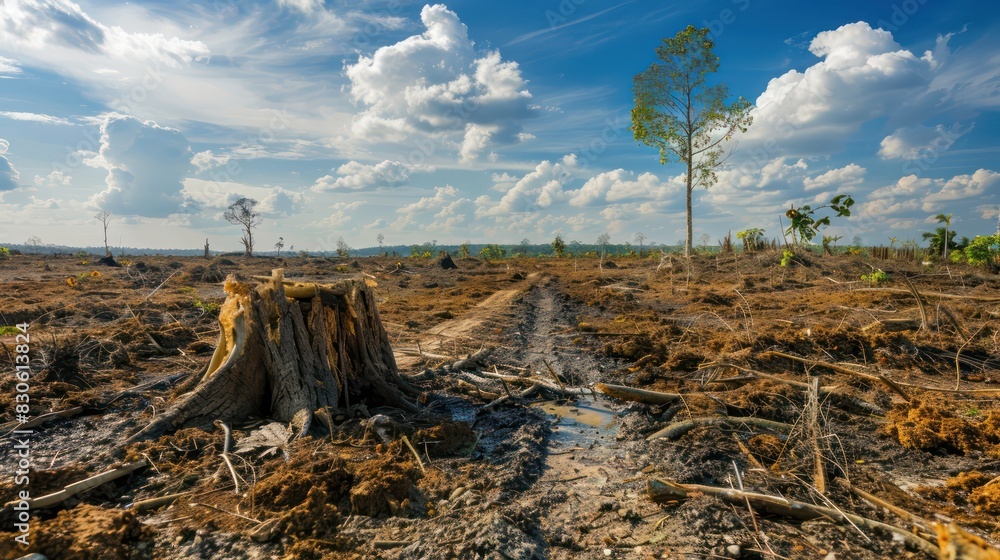
The term “endangered” carries weight, but it is often applied loosely. For Gymnocalycium species, the reality is nuanced. While not all are critically imperiled, several face mounting threats that push them perilously close to the brink. Habitat destruction, driven by agricultural expansion and urban sprawl, is a primary culprit. In regions where these cacti once blanketed the landscape, monoculture farming and mining have carved away their natural habitats, leaving fragmented populations vulnerable to genetic bottlenecks.
Climate change exacerbates these challenges. Gymnocalyciums are finely tuned to specific microclimates—subtle shifts in temperature or precipitation can disrupt their delicate balance. Prolonged droughts, a hallmark of climate instability, force these plants into dormancy, stunting their growth and reducing reproductive success. Meanwhile, invasive plant species, often introduced by human activity, outcompete Gymnocalyciums for resources, further marginalizing them in their own ecosystems.
The Illicit Trade: How Cactus Poaching Threatens Their Survival
If habitat loss is the slow squeeze, then the illegal wildlife trade is the death knell. Gymnocalyciums, with their striking appearances and slow growth rates, have become prized specimens in the global succulent market. Unscrupulous collectors pay exorbitant sums for rare varieties, fueling a black market that thrives on exploitation. Unlike more common cacti, Gymnocalyciums cannot be mass-produced quickly, making wild specimens all the more valuable—and all the more targeted.
The consequences are devastating. Poachers often strip entire populations from their habitats, leaving behind barren patches where these cacti once stood. Even when plants are legally cultivated, the demand for wild-collected specimens persists, driven by a culture that prioritizes rarity over sustainability. The irony is stark: a plant that has evolved to survive the harshest conditions is being driven to extinction by human desire.
Conservation in Action: Strategies to Safeguard Gymnocalycium Species
Fortunately, the tide is turning. Conservationists, botanical gardens, and indigenous communities are rallying to protect these desert jewels. One of the most effective strategies is ex-situ conservation—cultivating Gymnocalyciums in controlled environments to reduce pressure on wild populations. Botanical gardens and research institutions play a crucial role here, preserving genetic diversity and serving as living gene banks.
In-situ conservation efforts are equally vital. Protected areas, such as national parks and reserves, provide safe havens where Gymnocalyciums can thrive undisturbed. Collaborative initiatives with local communities ensure that conservation is not just imposed from above but embraced from within. Indigenous knowledge, honed over generations, often holds the key to sustainable land management practices that benefit both people and plants.
Legislation is another critical tool. Stricter enforcement of CITES (Convention on International Trade in Endangered Species) regulations can curb the illegal trade, while national laws can designate threatened Gymnocalycium species as protected. Public awareness campaigns, too, are indispensable. By educating consumers about the ethical implications of wild-collected plants, we can shift the market toward sustainable alternatives.
The Role of Citizen Science: How You Can Help Protect These Desert Survivors
Conservation isn’t the sole domain of experts—it’s a collective responsibility. Citizen science initiatives empower ordinary people to contribute to the protection of Gymnocalyciums. Whether through participating in cactus monitoring programs, reporting illegal plant sales, or supporting ethical nurseries, every action counts. Social media, too, has become a powerful tool for advocacy. By sharing information about threatened species and promoting sustainable gardening practices, we can amplify the message that these plants deserve to exist beyond the confines of a pot.
The fascination with Gymnocalyciums often stems from their paradoxical nature—their toughness and fragility, their simplicity and complexity. They are survivors, yes, but they are also symbols of resilience in the face of adversity. By protecting them, we are not just saving a plant; we are preserving a piece of the natural world that has endured for millennia.
Looking Ahead: A Future Where Gymnocalyciums Thrive
The road to recovery for Gymnocalycium species is long, but not insurmountable. It requires a blend of scientific rigor, community engagement, and policy reform. It demands that we confront the uncomfortable truths about our relationship with nature—how our choices, from the plants we grow to the landscapes we alter, shape the fate of species we barely notice.
Yet, there is hope. In the quiet resilience of a Gymnocalycium pushing through cracked soil after a rare desert rain, we see the potential for renewal. In the dedication of conservationists working tirelessly to restore habitats, we see the power of collective action. And in the growing awareness among plant enthusiasts, we see a shift toward a more ethical and sustainable future.
These cacti are more than survivors. They are teachers. They remind us that even in the harshest environments, life persists—and that our actions can either nurture that persistence or extinguish it. The question is not just whether Gymnocalycium species are endangered, but whether we are willing to fight for their survival. The answer lies in our hands.
FAQ
What is the importance of Gymnocalycium species in their ecosystem?
They are keystone species that provide nectar for pollinators and sustenance for desert fauna.
What role does citizen science play in the conservation of Gymnocalycium?
Citizen science initiatives allow individuals to contribute to monitoring and protecting Gymnocalycium species.

Leave a Reply