
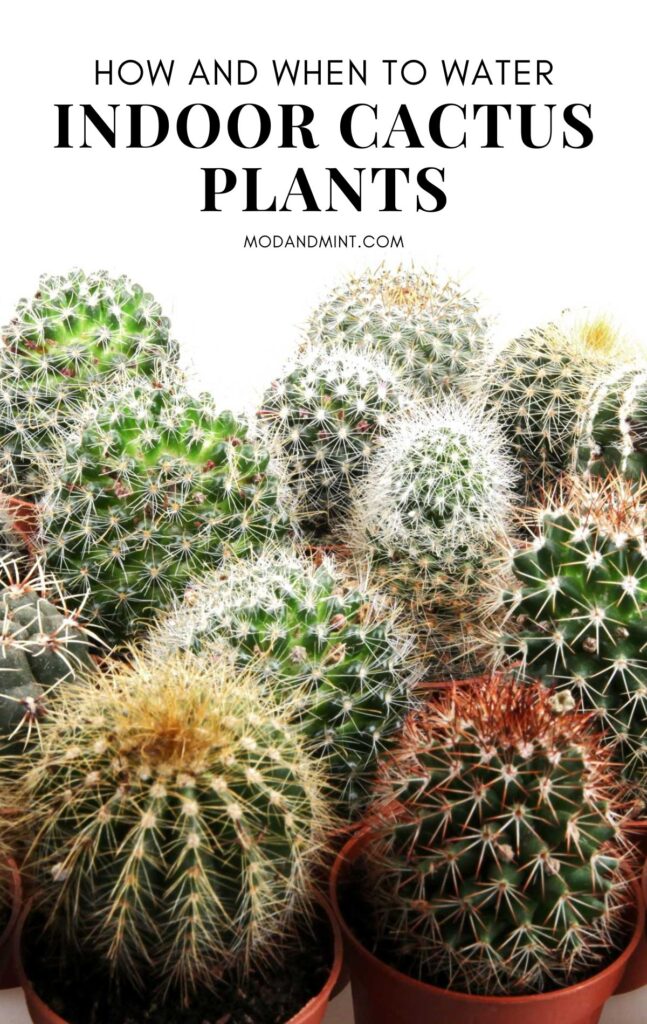
Short Answer
When it comes to cultivating cactus plants, one of the most prevalent concerns among both novice and seasoned growers alike is the watering schedule. Cacti, with their remarkable ability to thrive in arid environments, have specific requirements that—if not adequately met—can lead to health complications or even death. Thus, understanding how often to water a cactus is paramount for successfully nurturing these resilient plants.
Throughout this guide, we’ll explore the ideal watering frequency for cactus plants, factors influencing their hydration needs, and essential tips to help sustain their optimal health and longevity.
Understanding Cactus Hydration Needs
Cacti are originally native to desert regions, where rainfall is scarce and conditions are often extreme. As a result, cacti have evolved unique adaptations for water conservation. Their thick, fleshy stems allow them to store water, and their spines minimize moisture loss by providing shade and reducing air movement around the plant. Hence, the question arises: How often should these drought-tolerant plants be watered?
The answer varies significantly based on several factors, including the type of cactus, its age, the growing season, climate conditions, and the potting medium in use. Therefore, a one-size-fits-all approach does not apply when establishing a watering regimen.
Factors Influencing Watering Frequency
Soil Composition and Drainage
The soil type in which your cactus is planted plays an instrumental role in determining watering frequency. Cacti thrive in well-draining soil, typically a mix that includes coarse sand or perlite. Such substrates help facilitate rapid drainage, allowing excess water to escape quickly, preventing root rot and other moisture-related issues. In contrast, heavier soils may retain excessive moisture, requiring more meticulous watering practices.
Growth Stage of the Cactus
The cactus’s developmental phase significantly influences its hydration needs. For instance, during the active growing season—typically spring and summer—cacti experience heightened growth. Consequently, they require more frequent watering to support this physiological process. On the other hand, during the dormant season in fall and winter, cacti enter a period of rest where their water requirements drastically diminish. At this time, it’s vital to reduce watering frequency significantly.
Environmental Conditions
Understanding the environmental backdrop is crucial for adept cactus care. Temperature, humidity, and light exposure dramatically affect a cactus’s water requirements. During hot, dry conditions, your cactus may evoke thirst and necessitate additional hydration. Conversely, in cooler, more humid climates, watering should be approached with caution, as excess moisture can lead to detrimental root issues.
The Ideal Watering Schedule for Cactus Plants
For most cacti, a general rule of thumb is to water once every two to three weeks during active growth periods. However, adjusting this frequency according to the aforementioned factors is crucial.
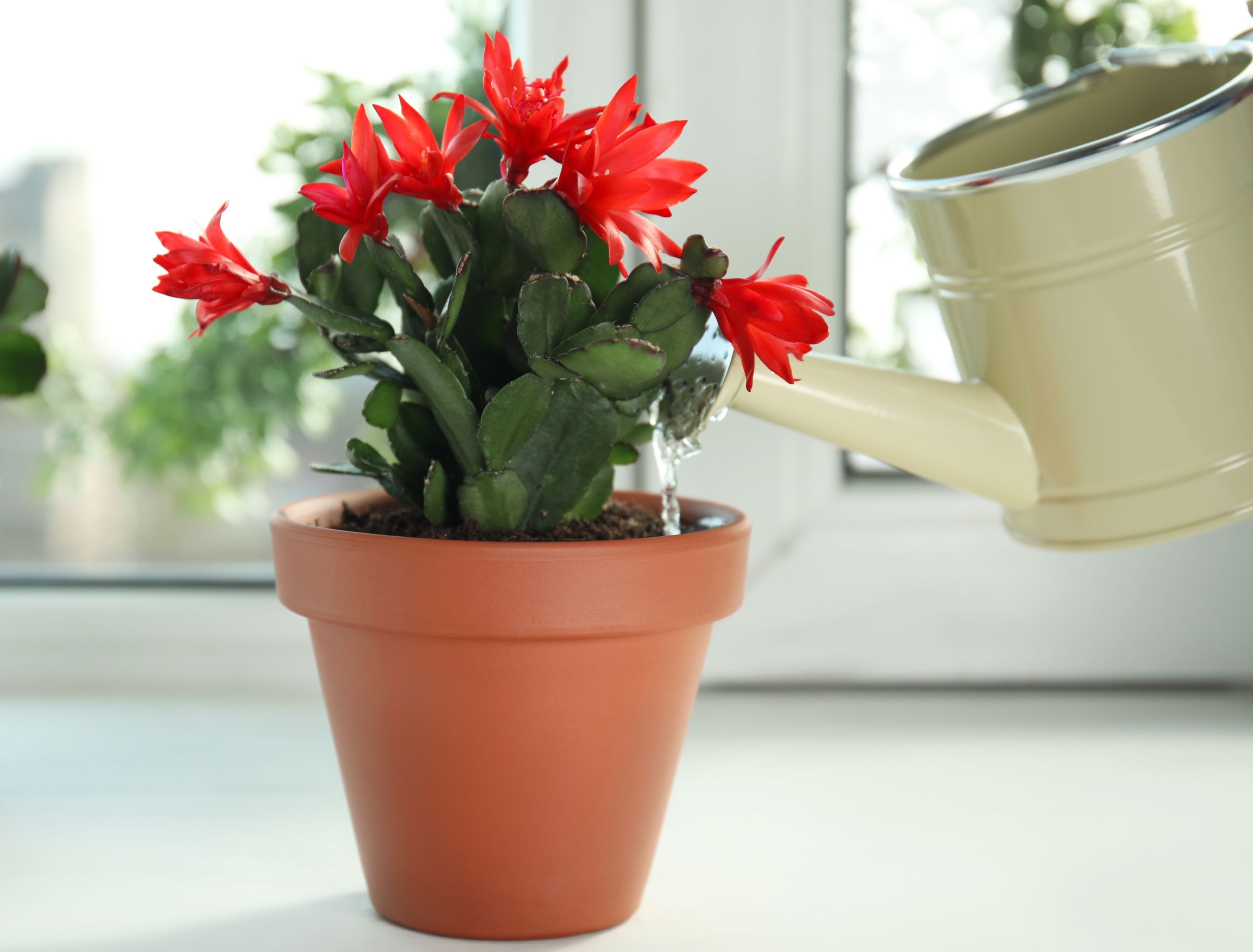
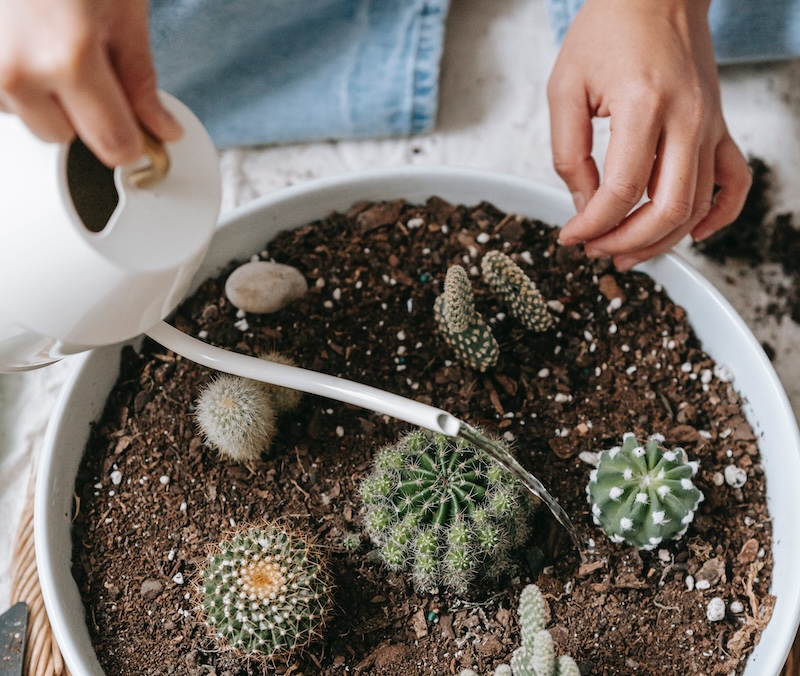
During the spring and summer months, when the days are longer and temperatures rise, inspect the soil regularly. Employ the finger test, where you insert a finger into the top inch of soil; if it feels dry, it’s time to water. Aim for a thorough soak until water seeps out of the drainage holes in the bottom of the pot, ensuring the roots receive adequate hydration without reverting to waterlogged conditions.
As the seasons transition to fall and winter, the watering routine should shift accordingly. Reduce frequency to once every month or less, allowing the soil to dry completely between waterings during this dormancy phase. Overwatering during winter can be catastrophic, leading to root rot and the decline of your cactus.
Signs of Overwatering and Underwatering
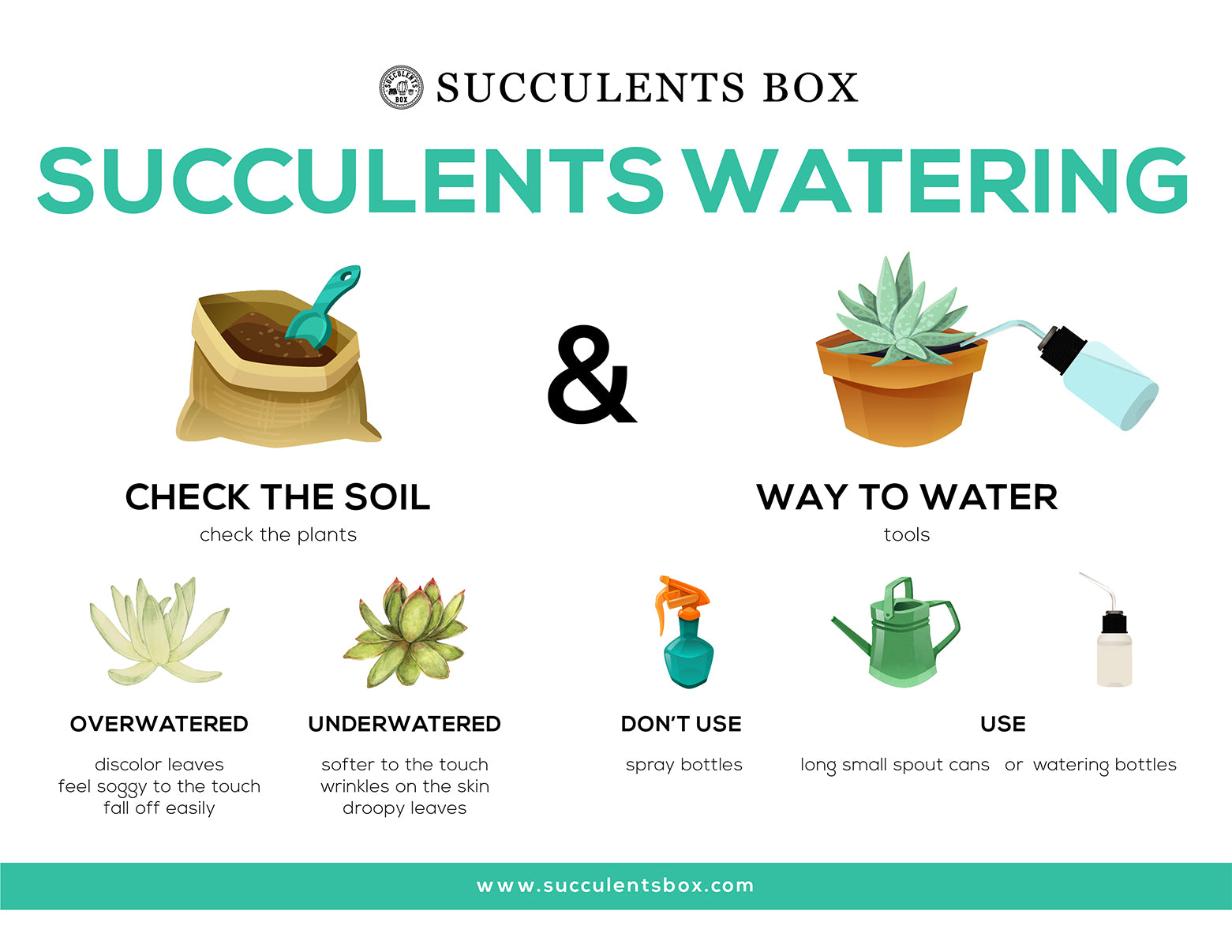
Recognizing symptoms of overwatering and underwatering is fundamental for sustaining cactus health. Overwatered cacti may exhibit yellowing or mushy stems and may eventually begin to rot. This condition is often accompanied by a foul odor, which signals that the roots have succumbed to decay.
Conversely, underwatered cacti typically display signs of wilting, shriveling, or becoming excessively soft. They may also lose their vibrancy, appearing dull and lackluster. It’s essential to act promptly when you notice these indicators, adjusting your watering schedule accordingly.
Additional Tips for Cactus Care
Implementing a few straightforward practices can enhance your cactus’s growth and resilience. Utilize pots with drainage holes to prevent water accumulation. Furthermore, considering the use of moisture meters can provide an accurate assessment of the soil’s hydration level, allaying any uncertainty about when to water.
Moreover, remember that water quality influences your cactus’s health. If possible, use distilled or rainwater, as tap water may contain minerals and salts that could adversely impact your plant.
Conclusion
Watering can appear deceptively simple but requires thoughtful consideration when it comes to cactus care. Striking the right balance between hydration and drought is crucial for the vitality of these extraordinary plants. By understanding your cactus’s unique needs and monitoring environmental factors, you can ensure that they flourish in your care, creating a stunning display of resilience in your home or garden. Ultimately, a well-managed watering schedule not only fosters robust growth but also prolongs the life of these hardy succulents.
FAQ
How often should I water a cactus?
Typically, water every two to three weeks during active growth and reduce watering during dormancy to once a month or less.
What happens if I overwater my cactus?
Overwatering can cause yellowing, mushy stems, root rot, and eventually plant death.
Can I use tap water for my cactus?
Tap water may contain minerals and salts that can harm cacti; distilled or rainwater is preferred.
How do I know when my cactus needs water?
Use the finger test—if the top inch of soil is dry, it’s time to water.
Does the type of soil affect how often I water?
Yes, well-draining soil like a sandy or perlite mix helps prevent overwatering problems.



Leave a Reply