
Short Answer
Malathion is an organophosphate insecticide commonly employed in agricultural practices and residential pest control. With its broad-spectrum efficacy, it targets a variety of unwanted pests. However, users often seek clarity regarding what exactly Malathion can eliminate. This article provides an exhaustive list of pests that Malathion can effectively control.
Malathion is primarily designed to manage insect infestations. It disrupts the normal functioning of the nervous system in insects, leading to their eventual demise. This article aims to elucidate the spectrum of pests that are susceptible to Malathion, along with contextual information on the effectiveness of its application.
Before employing Malathion in any pest control strategy, it is prudent to consider the specific pests targeted by this chemical and to understand its capabilities and limitations in enhancing plant health and safety.
First, we delve into the diverse categories of pests that can be effectively controlled using Malathion, from insects to arachnids.
Wide-Ranging Insect Targets
As a potent insecticide, Malathion is primarily utilized to combat a variety of flying and crawling insects. Its list of targets includes:
Aphids: The Plant Parasites
Aphids are notorious for their rapid reproduction and destructive feeding habits on many plants. These small, sap-sucking insects serve as vectors for plant diseases. Malathion’s effectiveness against aphids makes it a commonly chosen pesticide.
Leafhoppers: The Disease-Carriers
Leafhoppers not only feed on plant sap, which weakens the host plant, but they also transmit serious plant diseases. The swift action of Malathion can halt their population growth significantly.
Whiteflies: A Persistent Problem
Whiteflies are minor white-winged insects that cluster on the undersides of leaves. They excrete honeydew, leading to the growth of sooty mold. Malathion is efficient in curbing their infestation, protecting plant health.
Spider Mites: The Near-Invisible Threat
These minute arachnids can cause extensive damage through their feeding activities. While not traditionally ingested by larger predators due to their size, spider mites can be effectively controlled through the use of Malathion, preventing significant agricultural loss.
Controlling Flying Insects
Malathion serves as an effective solution against various flying insects, contributing to improved air quality and comfort in both residential and agricultural settings.
Fruit Flies and Gnats: The Kitchen Nuisances
Fruit flies can rapidly infest overripe fruits, rendering them unsuitable for consumption. Similarly, gnats can wreak havoc in household indoor gardens. Malathion eliminates such nuisances efficiently, ensuring that these insects do not disrupt the home or garden.
House Flies: The Ubiquitous Pest
House flies are more than a mere annoyance; they can spread numerous diseases through contamination. The use of Malathion can help diminish their populations significantly, assisting in creating a hygienic environment.
Other Notable Insect Pests
Beyond specific types, Malathion also targets a variety of additional insect species that plague gardens and farms.
Beetles: The Garden Infiltrators
Various beetle species, including cucumber beetles and Japanese beetles, can threaten crop yields and overall plant integrity. The active ingredients in Malathion disrupt their nervous systems, leading to effective control.
Mealybugs: The Silent Stalkers
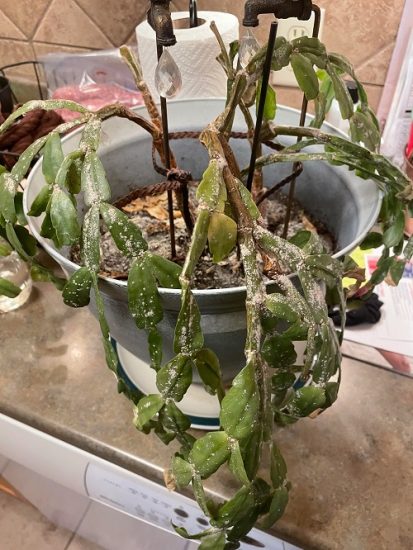
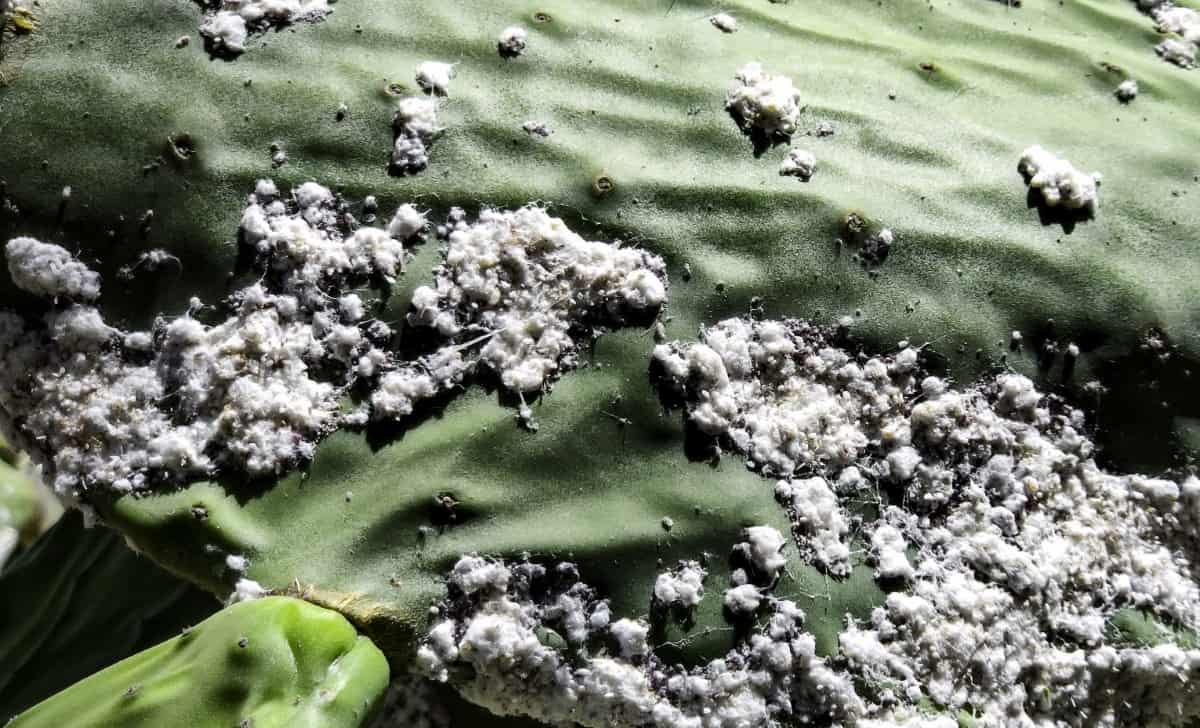
Mealybugs are small, cottony insects that feed on plant sap, weakening plants and causing distortion. Malathion not only kills these pests but also helps to prevent further infestations.
Considerations for Safe Application
While Malathion is effective against a broad spectrum of pests, responsible use is essential. Here are factors to consider:
Environmental Impact
Employing Malathion must be balanced against potential environmental consequences. It is crucial to follow label instructions precisely to mitigate risks to beneficial insects and wildlife. Ensuring that applications are made at appropriate times can help to lessen any detrimental effects.
Human Safety
While Malathion is relatively safe when applied correctly, it is important to take precautions. Wearing protective clothing, such as gloves and masks, can prevent exposure during application.
Integrated Pest Management Practices
Integrating Malathion into a broader pest management strategy can enhance its effectiveness. Combining it with cultural practices, biological control, and the judicious use of other insecticides can lead to sustainable pest control solutions.
In conclusion, Malathion stands as a formidable ally in the battle against an array of insect pests, from aphids to beetles. Its efficacy makes it a popular choice among growers and homeowners alike. However, the importance of responsible application cannot be overstated. Understanding which pests Malathion can control allows for targeted and effective pest management strategies. Ultimately, a proactive approach will yield healthier plants and a more productive growing environment.
FAQ
What pests does Malathion kill?
Malathion kills various insect pests including aphids, leafhoppers, whiteflies, spider mites, fruit flies, house flies, beetles, and mealybugs.
How does Malathion work?
Malathion works by disrupting the nervous system of insects, leading to paralysis and death.
Is Malathion safe to use around plants?
Yes, when used according to instructions, Malathion is safe for plants but should be applied responsibly to avoid harming beneficial insects.
Can Malathion be used indoors?
Malathion can be used indoors for pest control, but proper ventilation and safety precautions are necessary.


Leave a Reply