
Short Answer
In the arid realms where cacti reign supreme, a silent menace often lurks—mealybugs. These minuscule, cottony interlopers can transform a thriving desert garden into a battleground of wilted spines and stunted growth. But fear not, for with the right knowledge and a dash of botanical ingenuity, you can reclaim your cacti’s vitality. This guide dives deep into the world of mealybugs, offering a treasure trove of prevention strategies and natural remedies to keep your spiky companions flourishing.
The Anatomy of a Mealybug: Understanding Your Foe
Before waging war, it’s essential to acquaint yourself with the enemy. Mealybugs (*Pseudococcidae*) are soft-bodied insects, cloaked in a powdery, waxy secretion that gives them their namesake “mealy” appearance. These pests are sap-suckers, piercing plant tissues to feast on the sugary nectar within. Their life cycle is a relentless cycle of reproduction—females lay hundreds of eggs in cottony sacs, and nymphs, known as crawlers, disperse to infest new hosts. Recognizing their life stages—from egg to adult—is the first step in disrupting their proliferation.
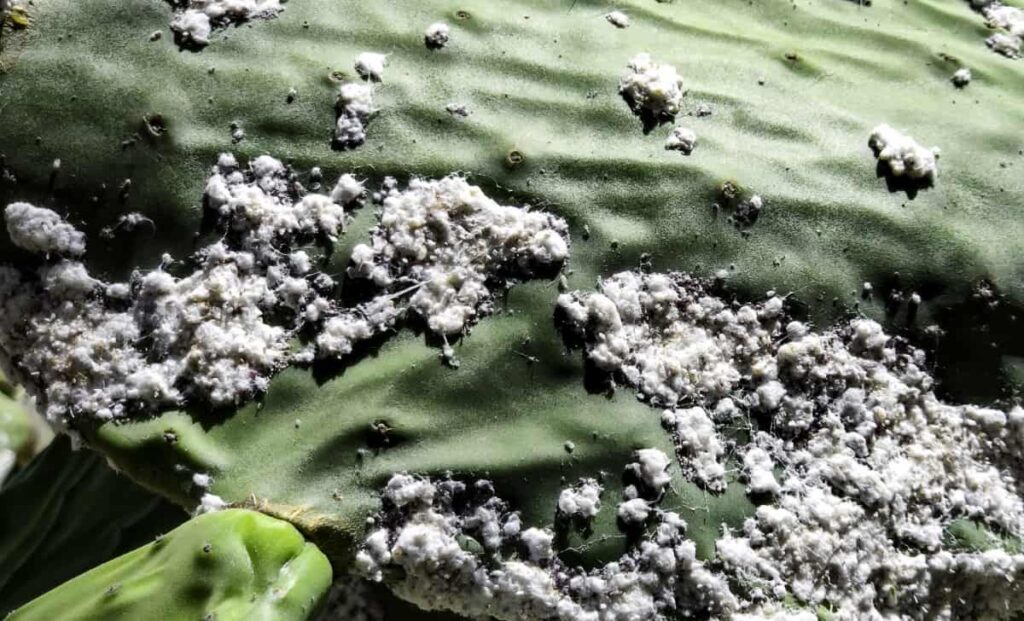
Mealybugs are not picky; they’ll target a vast array of cacti, from the diminutive *Mammillaria* to the towering *Carnegiea gigantea*. Their presence is often betrayed by a white, cottony residue nestled in the nooks of spines or along the ribs of your plants. A closer inspection might reveal sticky honeydew—a telltale sign of their feeding frenzy—or sooty mold, a dark, velvety fungus that thrives on their sugary excretions.
Signs of Infestation: How to Spot the Culprits Early
Early detection is your greatest ally in the fight against mealybugs. Vigilance is key, as these pests are masters of disguise. Start by examining your cacti’s most vulnerable zones: the base of the plant, the undersides of leaves (if applicable), and the tight crevices where spines converge. A magnifying glass can reveal the tiny, oval-shaped adults or the even smaller crawlers, which resemble specks of dust.
Beyond the visible, other red flags include:
- Stunted Growth: Mealybugs drain a plant’s vitality, leaving it weak and unable to thrive.
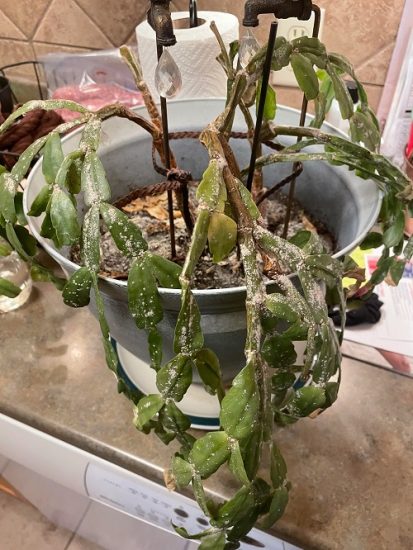
- Yellowing or Wilting: The loss of sap disrupts nutrient flow, causing discoloration and drooping.
- Sticky Residue: Honeydew coats the plant, attracting ants and fostering mold growth.
- Distorted New Growth: Feeding damage can cause malformed spines or puckered skin.
If left unchecked, a mild infestation can balloon into a full-blown siege, with mealybugs spreading to neighboring plants like a botanical wildfire. Regular inspections—especially during the growing season—can mean the difference between a quick fix and a prolonged struggle.
Prevention: Fortifying Your Cacti Against Mealybugs
An ounce of prevention is worth a pound of cure, and in the case of mealybugs, this adage holds true. The best defense is a multi-pronged approach that combines cultural practices, environmental control, and proactive monitoring.
Quarantine New Arrivals: Before introducing a new cactus to your collection, isolate it for at least two weeks. This buffer period allows you to observe any hidden pests before they infiltrate your established plants.
Optimal Growing Conditions: Mealybugs thrive in crowded, humid environments. Ensure your cacti have ample airflow by spacing them appropriately and avoiding overwatering, which can create a damp microclimate conducive to infestations.
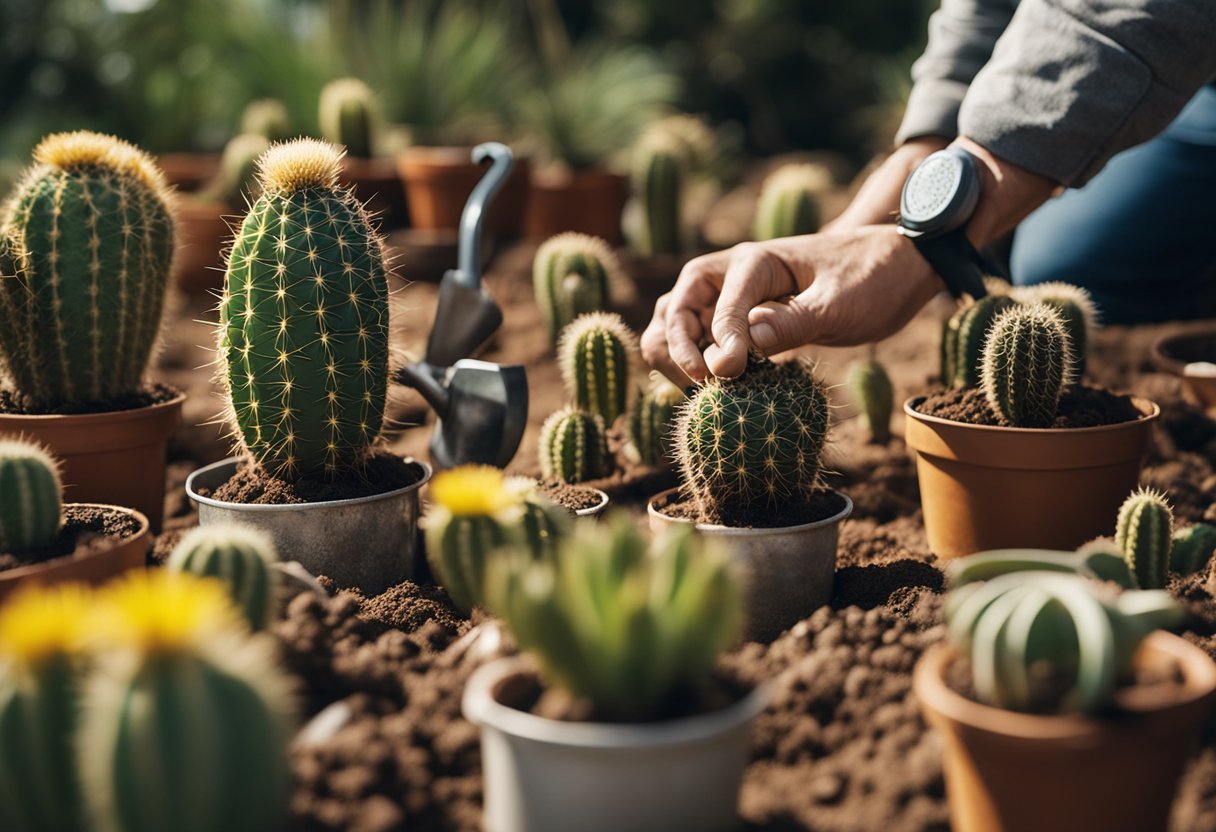
Sterilized Tools and Pots: Always use clean, sterilized tools and containers when repotting or propagating. A simple wipe-down with rubbing alcohol can prevent the accidental transfer of eggs or nymphs.
Natural Predators: Encourage the presence of beneficial insects like ladybugs, lacewings, or parasitic wasps, which prey on mealybugs. Introducing these allies can create a balanced ecosystem where pests are kept in check.
Natural Remedies: Gentle Yet Potent Solutions
When prevention fails, it’s time to turn to nature’s arsenal. Unlike chemical pesticides, natural remedies offer a safer, more sustainable way to evict mealybugs without harming your plants or the environment.
1. The Power of Soap and Water
A simple yet effective solution is a mixture of mild liquid soap and water. The soap disrupts the mealybugs’ protective waxy coating, causing them to dehydrate and die. To concoct this elixir, mix one teaspoon of soap per quart of water and apply it to the affected areas using a soft brush or spray bottle. Focus on the crevices where mealybugs hide, and repeat every few days until the infestation subsides.
2. Alcohol Spray: A Precision Strike
Isopropyl alcohol (70% or higher) is a formidable weapon against mealybugs. Its rapid evaporation dehydrates the pests on contact, making it ideal for targeted treatment. Dilute the alcohol with water in a 1:1 ratio to avoid damaging your cactus’s delicate tissues. Apply the solution with a cotton swab or spray bottle, ensuring thorough coverage of the infested areas. Exercise caution with delicate species, as alcohol can be harsh on tender skin.

3. Neem Oil: The Botanical Shield
Derived from the neem tree (*Azadirachta indica*), neem oil is a time-honored remedy with both insecticidal and antifungal properties. Its active compounds, such as azadirachtin, disrupt the mealybugs’ life cycle, preventing them from maturing or reproducing. To use, mix one teaspoon of neem oil with a quart of water and a few drops of dish soap to emulsify. Spray the solution liberally on the plant, ensuring you cover the undersides of leaves and the base of the cactus. Reapply weekly for sustained protection.
4. Essential Oils: Aromatic Warfare
Certain essential oils possess potent insecticidal properties that can deter mealybugs. Oils like peppermint, rosemary, and tea tree are particularly effective. Create a spray by combining 10 drops of your chosen oil with a quart of water and a teaspoon of soap. Shake well before use and apply to the plant, focusing on infested areas. The strong scent repels pests while the oils’ active compounds disrupt their feeding and breeding.
5. Diatomaceous Earth: The Silent Saboteur
This fossilized algae powder is a mechanical insecticide, slicing through the exoskeletons of mealybugs and causing them to dehydrate. Sprinkle a thin layer of food-grade diatomaceous earth around the base of your cactus and on the soil surface. Avoid applying it directly to the plant, as it can be abrasive to delicate tissues. Reapply after watering or rain, as moisture reduces its efficacy.
Long-Term Strategies: Cultivating Resilience
Eradicating mealybugs is only half the battle; the real challenge lies in preventing their return. Long-term strategies focus on strengthening your cacti’s natural defenses and creating an environment where pests struggle to gain a foothold.
Healthy Soil: The foundation of a resilient cactus is nutrient-rich, well-draining soil. Amend your potting mix with perlite, pumice, or coarse sand to improve aeration and prevent waterlogging, which can stress plants and make them more susceptible to infestations.
Proper Watering: Overwatering is a siren call for mealybugs, as it creates the damp conditions they crave. Water your cacti deeply but infrequently, allowing the soil to dry out completely between sessions. During dormancy, reduce watering to mimic their natural habitat.
Pruning and Sanitation: Regularly prune dead or damaged tissue to eliminate hiding spots for mealybugs. Dispose of pruned material promptly, and sterilize your tools to prevent cross-contamination. A clean growing area is less inviting to pests.
Stress Reduction: Healthy plants are less likely to succumb to infestations. Ensure your cacti receive adequate light, temperature, and humidity levels tailored to their species. Avoid overcrowding, which can lead to competition and weakened growth.
When All Else Fails: Seeking Professional Help
Despite your best efforts, some infestations may prove stubborn. If mealybugs persist or your cactus shows signs of severe decline, it may be time to consult a professional. Horticulturists or pest control experts can offer tailored advice or treatments, such as systemic insecticides, which are absorbed by the plant and provide long-lasting protection. However, always prioritize natural and organic solutions to minimize harm to your cactus and the surrounding ecosystem.
Conclusion: A Thorny Path to Victory
Mealybugs may be a formidable foe, but with knowledge, patience, and a touch of botanical ingenuity, you can reclaim your cacti’s splendor. By understanding their habits, spotting infestations early, and employing natural remedies, you transform from a helpless victim into a savvy guardian of your desert garden. Remember, the key to success lies in consistency—regular inspections, proactive prevention, and a willingness to adapt your strategies as needed. With each battle won, your cacti will grow stronger, their spines sharper, and their resilience unmatched.
FAQ
What are mealybugs?
Mealybugs are soft-bodied insects that feed on plant sap, often appearing as cottony residues on cacti and other plants.
How can I prevent mealybugs on my cacti?
Prevent mealybugs by maintaining optimal growing conditions, quarantining new plants, and using sterilized tools.
What natural remedies can I use to treat mealybugs?
Natural remedies include soap and water solutions, isopropyl alcohol sprays, neem oil, and essential oils.
What are the signs of a mealybug infestation?
Signs include stunted growth, yellowing or wilting, sticky residue, and distorted new growth.



Leave a Reply