

Short Answer
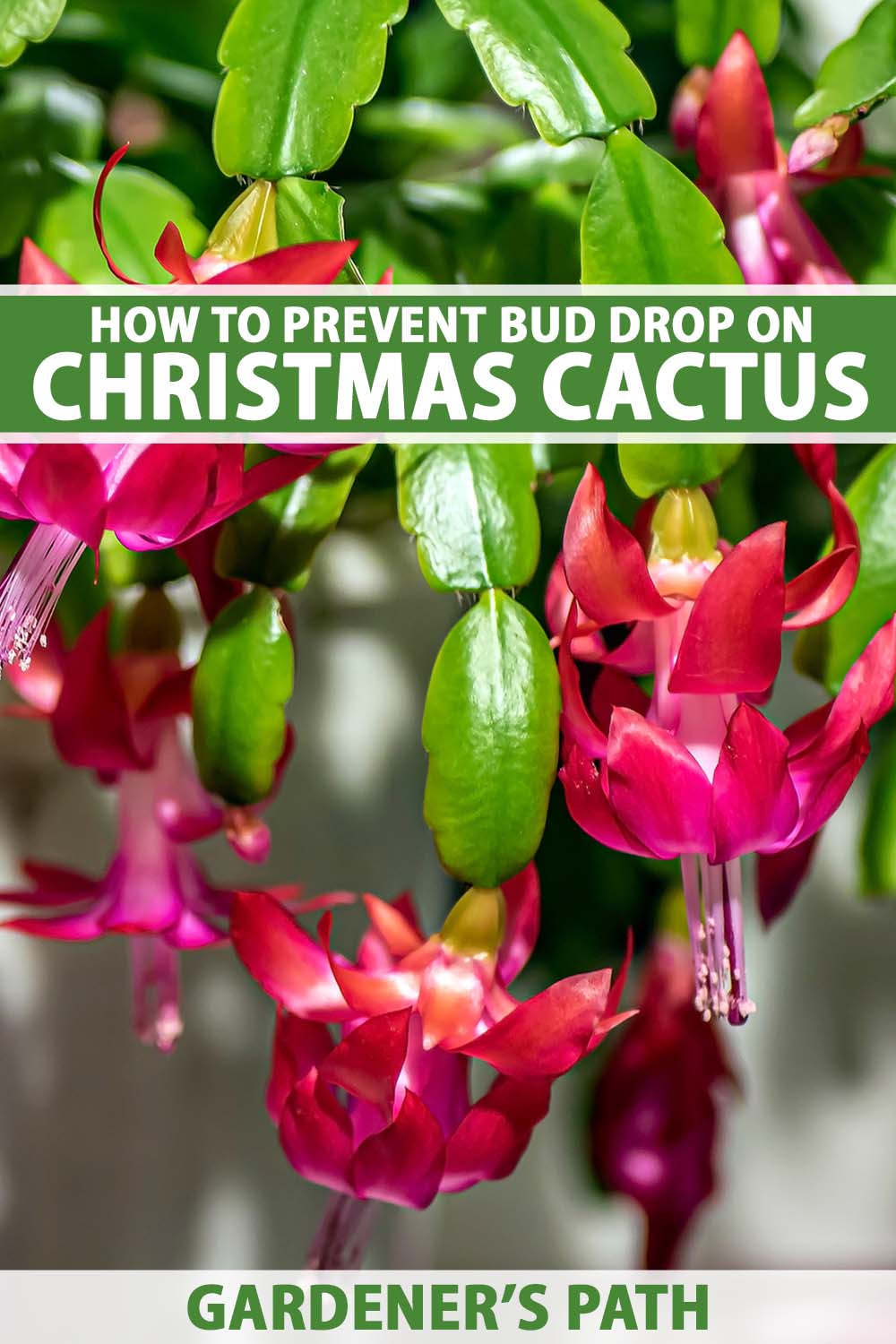
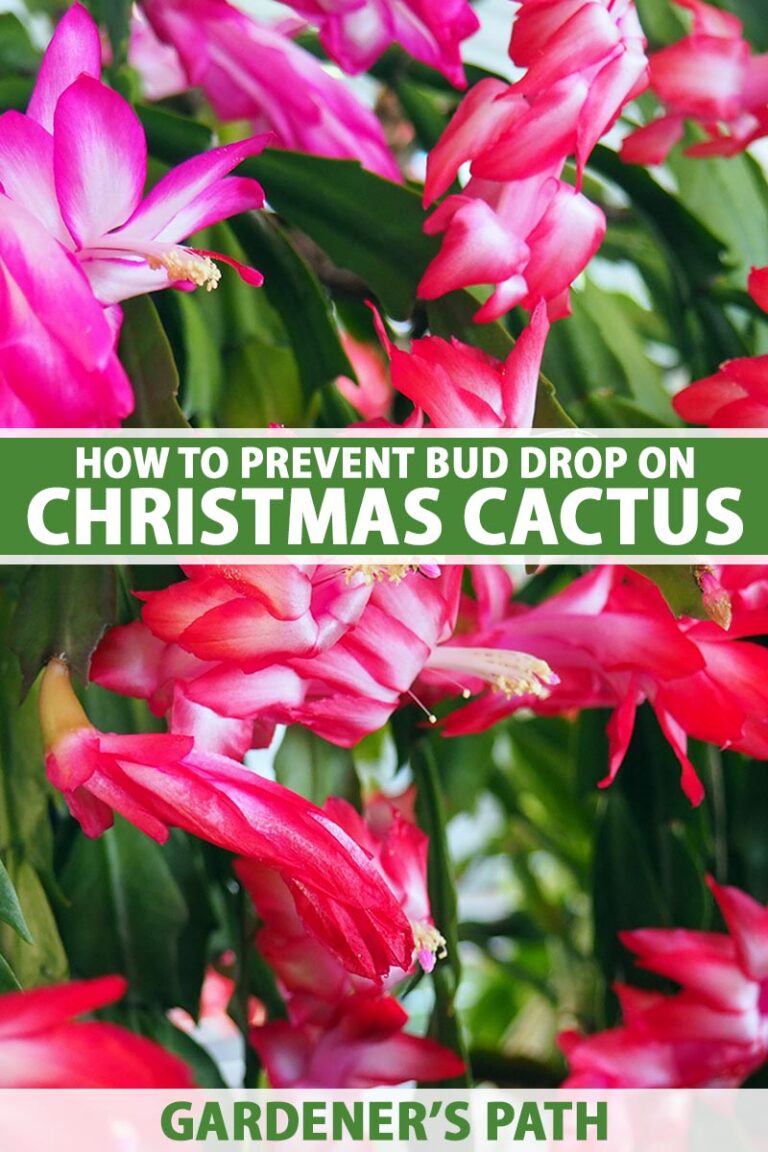
Imagine eagerly awaiting the vibrant bloom of your Schlumbergera—the whimsical Christmas cactus—and suddenly, those precious buds begin to fall prematurely. It’s a heart-wrenching sight, the promise of color and life slipping away before it even unfolds. But what if this vexing problem, so common and frustrating, could be understood and overcome? Let’s embark on a journey beneath the surface of common Schlumbergera troubles, peeling back layers to reveal why bud drop happens and how you can turn the tide in favor of your festive flora.
The Enigmatic Phenomenon of Bud Drop
Bud drop, at first glance, seems like an inexplicable betrayal by your Christmas cactus. Buds swell with anticipation only to shrivel and fall, leaving bare stems and a dent in your holiday spirit. Yet, this isn’t a flaw or fatal affliction. Instead, it’s the plant’s sophisticated response to stress—an ancient survival mechanism designed to conserve resources during perceived adversity.
Understanding this physiological decision reveals a pivotal shift in perspective: the cactus isn’t failing; it’s strategizing. It’s communicating its needs loudly and clearly through bud drop. To decode this message, one must consider the environment, care practices, and intrinsic biological rhythms that influence this delicate process.

Light: The Subtle Sculptor of Blossoming Success
Light is not just illumination; it’s a language your Schlumbergera reads fluently. While many plants thrive in direct sunlight, Christmas cacti are denizens of shadowed tropical forest canopies. Their preference for indirect, filtered light mimics their native understory habitats, where harsh rays are softened by foliage above.
Too much direct light, especially intense afternoon sun, bathes your cactus in heat and glare, causing undue stress. Buds desiccate and drop as the plant attempts to shield its delicate reproductive structures. Conversely, insufficient light deprives it of the energy necessary to sustain bud development, resulting in premature bud abandonment.
Optimizing light means calibrating a sweet spot—a luminous ambiance bright enough to feed photosynthesis but soft enough to safeguard tender buds. South or east-facing windows with sheer curtains or shaded balconies can provide an ideal sanctuary for your cactus to flourish.
Watering Woes: Finding the Elusive Hydration Balance
Watering is an art form in Schlumbergera care. Unlike many houseplants craving consistent moisture, the Christmas cactus prefers a nuanced hydration regime. Overwatering saturates the root zone, inviting root rot and depriving the plant of oxygen—this suffocating environment triggers bud drop as the cactus prioritizes survival.
On the flip side, parched roots are equally culpable. Prolonged drought stress sends alarm signals through the plant, compelling it to shed buds that would otherwise sap precious water reserves. The key lies in watering thoroughly yet infrequently, allowing the top inch of soil to dry before the next soak.
Applying this balance demands attentiveness—feel the soil with your fingers, notice the weight of the pot, and be wary of soggy soil lingering uncomfortably. In winter months, when growth slows, even less water is required, so adjusting frequency seasonally prevents inadvertent overindulgence.
Temperature Tango: The Unsung Culprit Behind Bud Loss
Temperature plays a surreptitious role in bud retention. These tropical epiphytes luxuriate in moderate, stable temperatures, typically between 60-70°F (15-21°C). Fluctuations, drafts, or exposure to cold windowsills transform the environment into a hostile battleground for buds.
Cold drafts chill the stems and disrupt nutrient flow, causing buds to abort. Likewise, excessive heat can stress the plant, encouraging premature shedding as the cactus struggles to maintain hydration and metabolic balance. Avoid placing Schlumbergeras near heaters, air conditioners, or drafty entryways to preserve their delicate balance.
Creating a microclimate with consistent temperatures not only enhances bud longevity but also nurtures vibrant blooms, turning your cactus into a centerpiece of holiday cheer.
Nutritional Nuances: Feeding for Flowering Fortitude
Many gardeners unknowingly contribute to bud drop through nutritional missteps. While your cactus might thrive on minimal fertilizer, timing and type are paramount to bud development. Excessive nitrogen fertilization promotes lush, leafy growth at the expense of flowers, sometimes causing buds to abort.
A phosphorus-rich bloom booster, applied sparingly during the pre-bloom season, encourages strong bud formation and resilience. Avoid fertilizing once buds appear, as this may disrupt their maturation and adherence.
Soil quality, pH levels, and potting mix drainage also influence nutrient uptake. Ensuring a light, well-draining medium enriched with organic matter supports root health and steady nourishment, creating conditions bud sets can thrive in.

Humidity: The Invisible Ally in Bud Retention
In their native rainforest habitat, Schlumbergeras bask in humid air, a factor often overlooked in indoor cultivation. Low humidity dries out buds and stems, weakening their attachment and triggering fall. Indoor heating during winter months can reduce ambient humidity to arctic lows for sensitive tropical plants.
Raising humidity around your cactus can dramatically reduce bud drop. Techniques such as grouping plants together, using pebble trays filled with water beneath the pot, or employing room humidifiers recreate a gentle, moisture-laden atmosphere.
Pay attention to balancing moisture—too much humidity without airflow can lead to fungal problems, so maintaining air circulation is equally vital.
Pruning and Potting: Encouraging Vigorous Growth and Budding
Proper pruning invigorates your Schlumbergera by stimulating new growth and directing the plant’s energy towards flower production. Removing leggy or damaged segments encourages compact branching, which supports more bud sites and improves air circulation.
Repotting every 2-3 years replenishes nutrients and prevents root-bound stress, a hidden assassin of budding potential. Choose a pot slightly larger than the current one, with excellent drainage to keep roots comfortable and happy.
Handling your cactus gently during these processes reduces trauma, preventing stress-induced bud drop. Embrace these cultivation rituals as part of a holistic approach to plant vitality.
When All Else Fails: Recognizing and Managing Pest and Disease Pressure
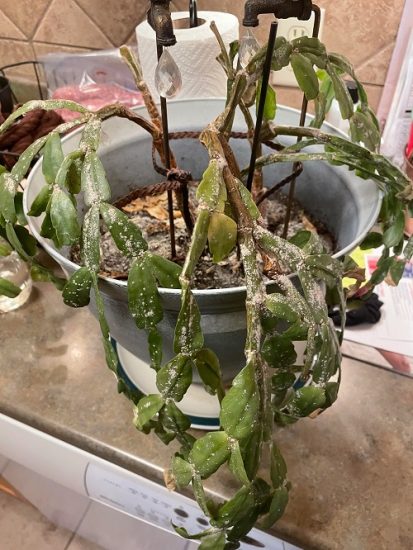
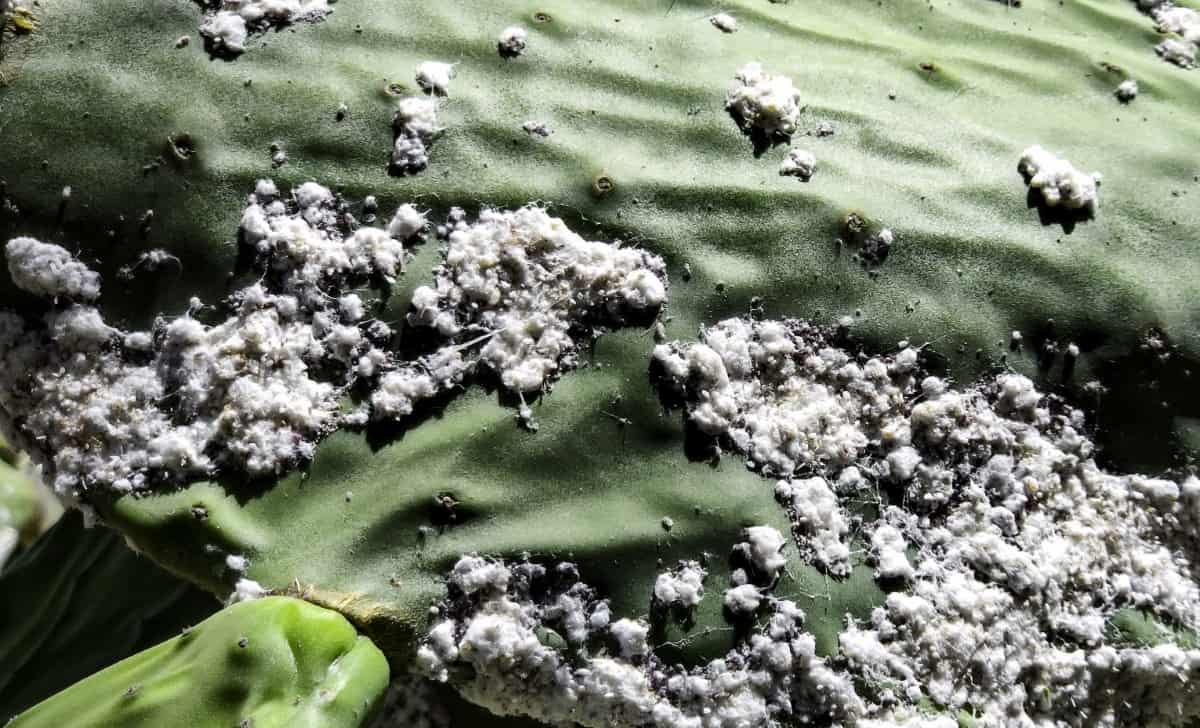
Sometimes, bud drop is a symptom of underlying infestations or diseases. Mealybugs, spider mites, and fungal infections sap vitality, urging your cactus to discard buds lest the damage becomes catastrophic. Inspect your plant regularly for signs of pests—cottony clusters, webbing, or discolored foliage—andacterial or fungal spots.
Integrated pest management employing gentle insecticidal soaps, neem oil, or biological controls helps maintain a healthy ecosystem on your plant. Early intervention is crucial to preventing an escalating downward spiral that culminates in lost buds and weakened plant health.
The Promise of Flourishing Blooms Awaits
Reversing the trajectory of bud drop is not merely about correcting errors; it’s about cultivating empathy with your Schlumbergera’s nuanced needs. Each dropped bud is a whisper, an invitation to tune in more closely and adjust your care regimen. Armed with this knowledge, the elusive and frustrating mystery of bud drop becomes a solvable puzzle.
By harmonizing light, water, temperature, nutrition, humidity, and vigilance against pests, you set the stage for a vibrant, flourishing Christmas cactus. Imagine the satisfaction of seeing buds swell, endure, and finally burst forth in breathtaking color—your patient care rewarded by nature’s spectacular show.
Unlock these secrets, and watch as your Schlumbergera transcends from an ordinary houseplant to a triumphant emblem of resilience and beauty this holiday season and beyond.
FAQ
What causes bud drop in Schlumbergera?
Bud drop can be caused by excessive direct light, improper watering, temperature fluctuations, low humidity, and nutritional imbalances.
How can I prevent bud drop in my Christmas cactus?
Ensure optimal light conditions, maintain balanced watering, keep a stable temperature, and increase humidity around the plant.
Leave a Reply