
Short Answer
When it comes to nurturing cacti, one might be tempted to assume that their sun-loving reputation means relentless direct light is essential. Yet, the truth is far more nuanced. The ideal light conditions for healthy cacti are a delicate balance—the right quality, intensity, and duration of light can dramatically influence their vitality, growth patterns, and longevity. Whether you’re a novice succulent enthusiast or a seasoned plant parent, understanding these subtleties will elevate your cactus care to an art form. Let’s embark on a journey through the fascinating world of light and cacti, examining various types of light conditions, their effects, and how to tailor these elements to your unique living space.
Understanding Light Intensity: Bright, Direct vs. Indirect
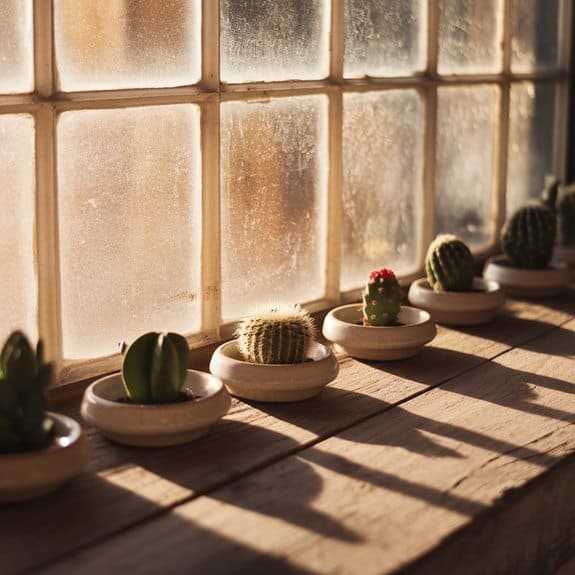
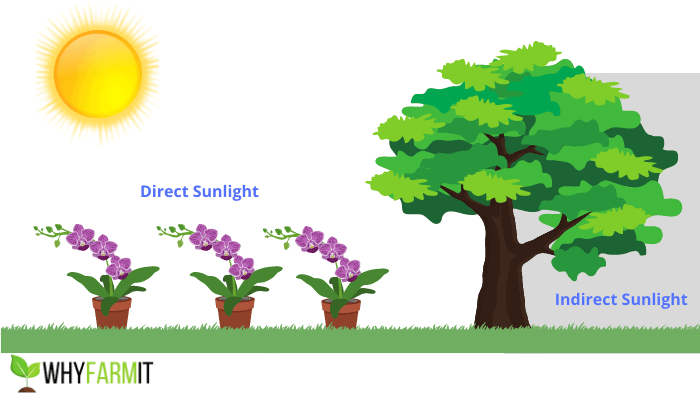
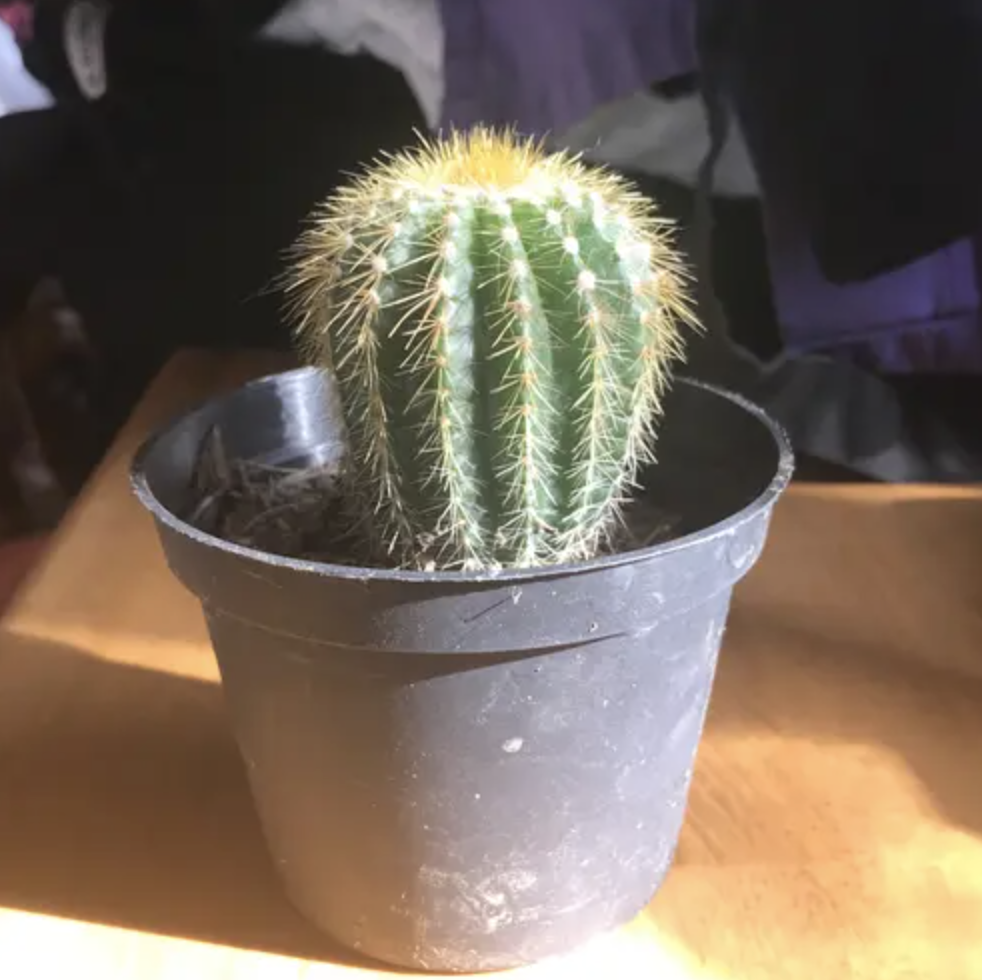
Cacti typically hail from arid, sun-drenched environments, which often leads to the presumption that only bright, direct sunlight will suffice. However, many species are quite adaptable and thrive under a spectrum of light intensities. Bright, direct sunlight – that intense blaze that makes shadows sharp and contrasts stark – propels photosynthesis at maximum efficiency, fostering robust growth and vivid coloration in some desert natives. Yet, exposure to unfiltered, scorching sun for prolonged periods may cause sunburn, manifesting as pale patches or scarring on sensitive plant surfaces.
Indirect light, often softer and diffused through curtains or shaded by other plants and structures, mimics the shaded niches some cacti occupy in their natural habitats. Many indoor varieties flourish under this gentler lighting, exhibiting slower but steady growth without the risk of sun damage. Understanding the specific light tolerance of your cactus species is pivotal in striking the perfect balance between light abundance and protection.

Low-Light Situations: Surprising Adaptations and Suitable Species
Contrary to popular belief, certain cacti have evolved to prosper in shaded or low-light environments. These species, often found nestled beneath rocky overhangs or under shrubbery, have adapted to conserve energy and optimize photosynthesis with limited light input. Indoor gardeners with less sunlit space need not despair—some varieties perform beautifully in low-light conditions, albeit with slightly tempered growth rates.
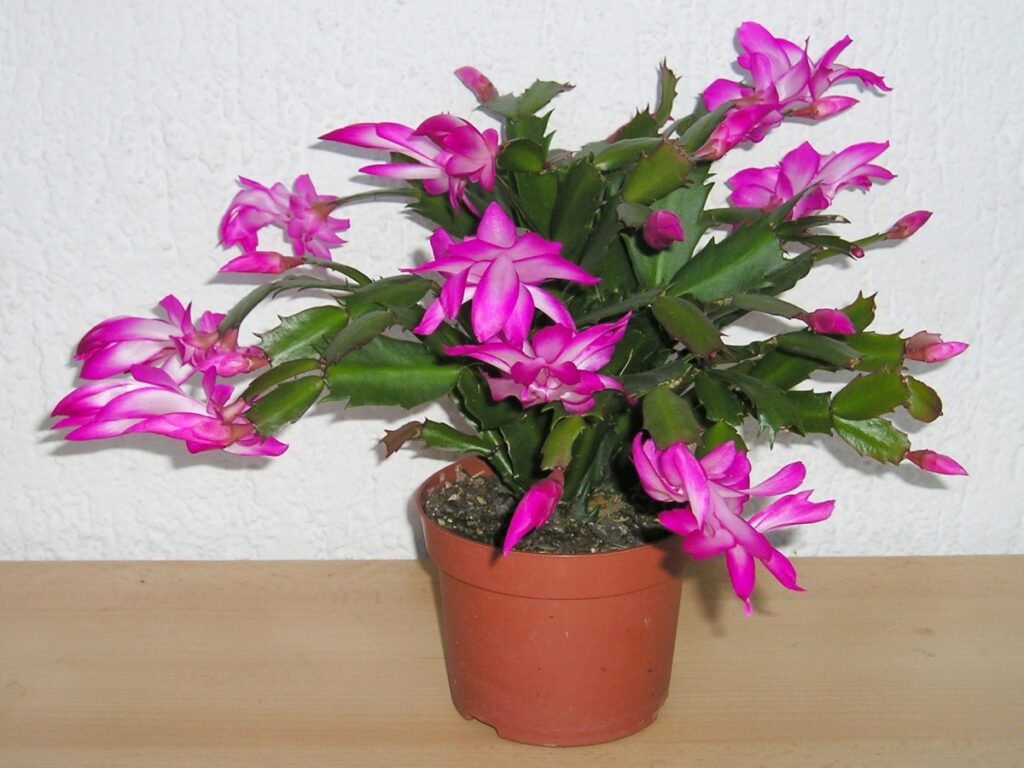
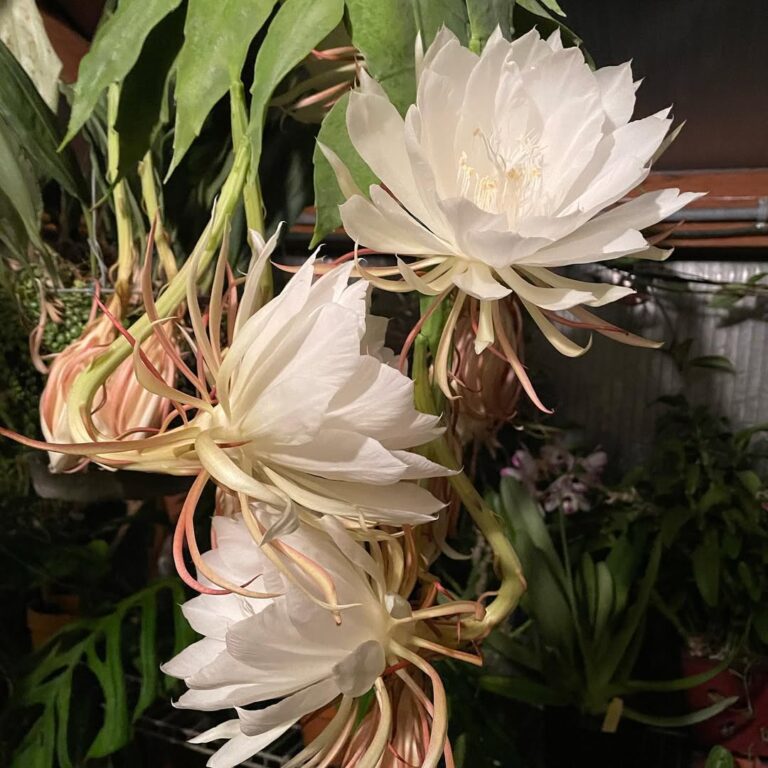
For instance, the Epiphyllum and Schlumbergera belong to the “jungle cactus” group, thriving in indirect, filtered light that mimics their tropical understory habitats. Likewise, the “Queen of the Night” cactus displays a fascinating ability to bloom with minimal light exposure, making it an exquisite addition to dimmer interiors. Recognizing these species’ adaptability allows gardeners to expand their cactus collections beyond sunlit window sills into cozier, shaded nooks.
Seasonal Light Changes and Overwintering Strategies
Seasonal variation is another crucial factor often overlooked when caring for cacti indoors. As daylight shortens and the sun’s angle shifts during colder months, cacti require adjustments in their placement and light exposure to maintain health. During winter, light intensity diminishes, and direct sunlight may wane significantly, leading to slower growth and dormancy.
One effective strategy is to relocate cacti closer to south or west-facing windows, where sunlight is more intense during the shorter days. Additionally, supplementing natural light with artificial grow lights tailored to subtropical succulents helps replicate optimal conditions. These controlled light sources can provide the specific wavelengths needed to sustain chlorophyll function without overheating the plants, enabling successful overwintering of species sensitive to cold and low light.
The Role of Light Duration: The Photoperiod Puzzle
Beyond intensity and quality, the duration of light exposure—or photoperiod—is equally instrumental in regulating cacti’s physiological functions. Many cacti rely on day length cues to trigger flowering, dormancy, and growth cycles. An optimal photoperiod for most species ranges from 10 to 14 hours of light daily, replicating their natural desert or tropical rhythms.
Artificial modulation of light duration can encourage blooms or stimulate vegetative growth when natural lighting falls short. For example, extending light exposure slightly can coax some cooler-season bloomers into flowering, while shortening it may encourage a restful dormancy period necessary for plant vigor. Mastering photoperiod manipulation adds a sophisticated tool to your lighting arsenal, enhancing your cactus’s flourishing potential.
Light and Its Influence on Cacti Morphology and Health
The interplay between light and cactus morphology is deeply intrinsic. Insufficient light often leads to etiolation—where stems stretch elongated and pale as the plant desperately seeks light—resulting in weakened structure and diminished aesthetic appeal. Excessively harsh light, meanwhile, can cause bleaching, scorching, or even inhibit flower production.
Moreover, the spectral composition of light influences pigment production. Shades of red and blue light particularly resonate with chlorophyll absorption peaks, improving photosynthetic efficiency and encouraging compact, vibrant growth forms. Understanding these subtleties empowers you to fine-tune your environmental parameters for optimal cactus health and beauty.
Practical Tips for Creating the Perfect Light Environment
Creating the ideal lighting setup involves a fusion of art and science. Here are some practical steps you can integrate:
- Know Your Species: Research and identify the natural habitat of your cactus. Desert dwellers usually crave bright light, while epiphytic cacti prefer shade.
- Use Sheer Curtains: Protect sensitive cacti from scorching midday sun with diffusing drapes, balancing protection and light exposure.
- Rotate Regularly: Turning your plants periodically ensures uniform light absorption, preventing uneven growth and leaning.
- Supplement Artificial Lighting: Invest in full-spectrum LED grow lights to compensate for insufficient natural light, especially in winter months.
- Observe and Adjust: Monitor your cactus’s response to light conditions meticulously—watch for signs of sunburn, etiolated stems, or discoloration—and adjust placement or lighting accordingly.
With patience and attentiveness to light nuances, your cacti can transcend mere survival and achieve their fullest, most stunning potential. Embracing their diverse lighting needs opens a new dimension of cultivating these resilient, charismatic plants that brighten any space.
FAQ
Can all cacti tolerate direct sunlight?
No, while many desert cacti thrive in direct sunlight, some species prefer indirect or low-light conditions and can get sunburned if exposed to harsh sun.
How can I protect my cactus from sunburn?
Using sheer curtains or shading during the hottest parts of the day can protect sensitive cacti from sunburn caused by excessive direct sunlight.
What is the ideal duration of light for cacti?
Most cacti do well with 10 to 14 hours of light daily, which mimics their natural desert or tropical photoperiods.
Can artificial lighting replace natural sunlight for cacti?
Yes, full-spectrum LED grow lights can supplement or replace natural light, especially during winter or in low-light indoor environments.
How do seasonal light changes affect cacti care?
During shorter daylight periods in winter, cacti may slow growth or enter dormancy and require placement near brighter windows or supplemental lighting.


Leave a Reply