
Short Answer
In the realm of houseplants, cacti occupy a unique niche: resilient, visually captivating, and surprisingly diverse. Yet, when you introduce curious pets into the equation—those fuzzy, inquisitive companions who investigate every nook with equal parts caution and bravado—the choice of cactus suddenly becomes a matter not just of aesthetics but of safety and harmony. This isn’t merely about avoiding scratches or pricks; it’s about cultivating a living environment where both plants and paws coexist without a single mishap. Welcome to a fresh perspective on selecting the best cactus for homes with curious pets, where intrigue meets insight and beauty intertwines with prudence.
The Paradox of Cacti in Pet-Friendly Homes
Cacti, at first glance, seem like an ideal houseplant choice for pet owners due to their low-maintenance nature and drought tolerance. However, their defensive armory of spines casts a shadow of concern. Pets, especially cats and dogs, are natural explorers, drawn to textures and scents foreign to their everyday world. The sharp spines, while a formidable deterrent to larger threats in the wild, pose a genuine risk to domestic animal friends. But here’s the paradox: not all cacti harbor equally perilous appendages. Within this thorny array lies an array of species boasting softer, less menacing exteriors, or minimal necessary spines that don’t jeopardize your pet’s safety. Understanding this spectrum promises a shift from apprehensive avoidance toward confident selection, transforming how pet owners animate their living spaces with succulents.
Identifying Non-Toxic and Pet-Safe Cactus Varieties
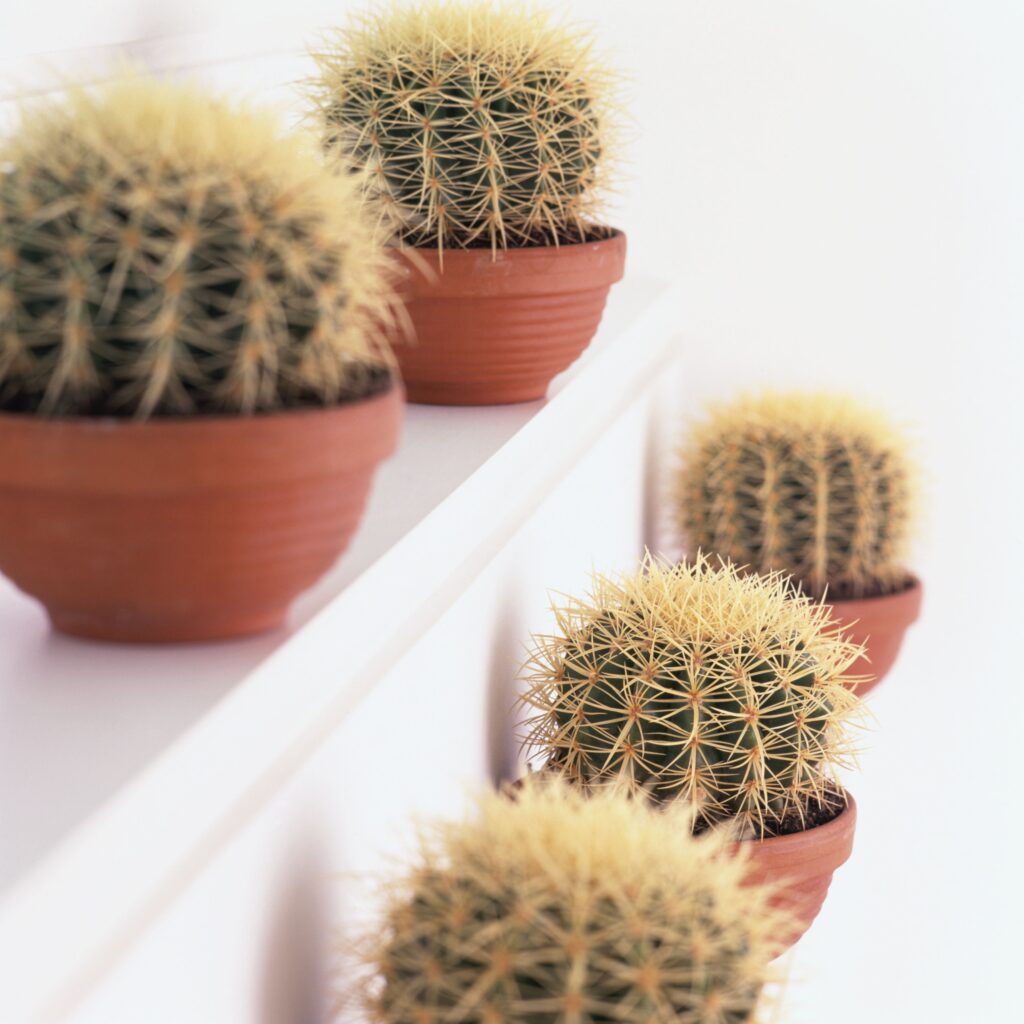
Pet safety does not only hinge on the physical presence of spines but also the plant’s toxicity profile. The best cactus for homes with curious pets must be unanimously non-toxic, ensuring even a nibble or accidental brush does not lead to adverse reactions. Among the plethora of cactus options, the Cereus Cactus, often affectionately dubbed the “Cuddly Cactus,” shines brilliantly as a sturdy, appealing, and pet-safe contender. Its spines are comparatively blunt and manageable, reducing the risk of injury, while its toxicological neutrality shields pets from harmful ingestion. The allure of this particular species lies not only in its forgiving nature but also in its sumptuous sculptural form, an architectural celebration in green that enhances interior spaces without compromising safety.


Critical to the selection process is cross-referencing multiple cactus species with updated pet toxicity databases, ensuring you invite living art into your home that aligns with the wellness of all inhabitants.
Engaging Curiosity Without Compromise: The Behavioral Aspect
Curious pets, especially cats, have a penchant for interaction with novel objects. There is a captivating story behind feline fascination with plants: movement, texture, and scent coalesce to create an irresistible sensory playground. However, this playful investigation can quickly turn to harm when spiny cacti enter the scene. The challenge is navigating this innate curiosity without stifling it. One compelling solution is favoring cacti species with minimal or softer spines. For instance, some Mammillaria varieties offer dense but tiny, almost fuzzy spines that tempt touch without laceration. When choosing such specimens, the tactile harmony they introduce defuses risk and educates pet behavior, gradually establishing mutual respect between creature and cactus.

Creating enriched environments with pet-safe cacti fosters positive stimulation. Consider incorporating elevated plant stands or enclosed terrariums that invite observation without direct contact, striking a balance that honors the curiosity while safeguarding welfare.
Practical Tips for Pet Owners: Placement and Protection
The garden of home décor is as much about strategic placement as it is about selection. Even the most pet-friendly cacti require thoughtful positioning to preempt accidental injury. Windowsills, hanging planters, and wall-mounted shelves offer elevated perches for cacti, out of the usual paw’s reach but within visual delight. This spatial choreography not only prevents scratches or nibbling but also integrates well with pets’ routines—affording them safe observation points and minimizing the drive to explore forbidden terrain.
Moreover, subtle barriers or decorative cages can be employed as gentle deterrents without detracting from the plant’s aesthetic allure. Educating pets, through indirect conditioning and redirection, gradually reduces dangerous encounters and helps them acclimate to the presence of these prickly companions. Such strategies embody a considerate approach that champions coexistence rather than conflict.
When Cacti Meet Pets: Capturing Moments of Curious Encounter
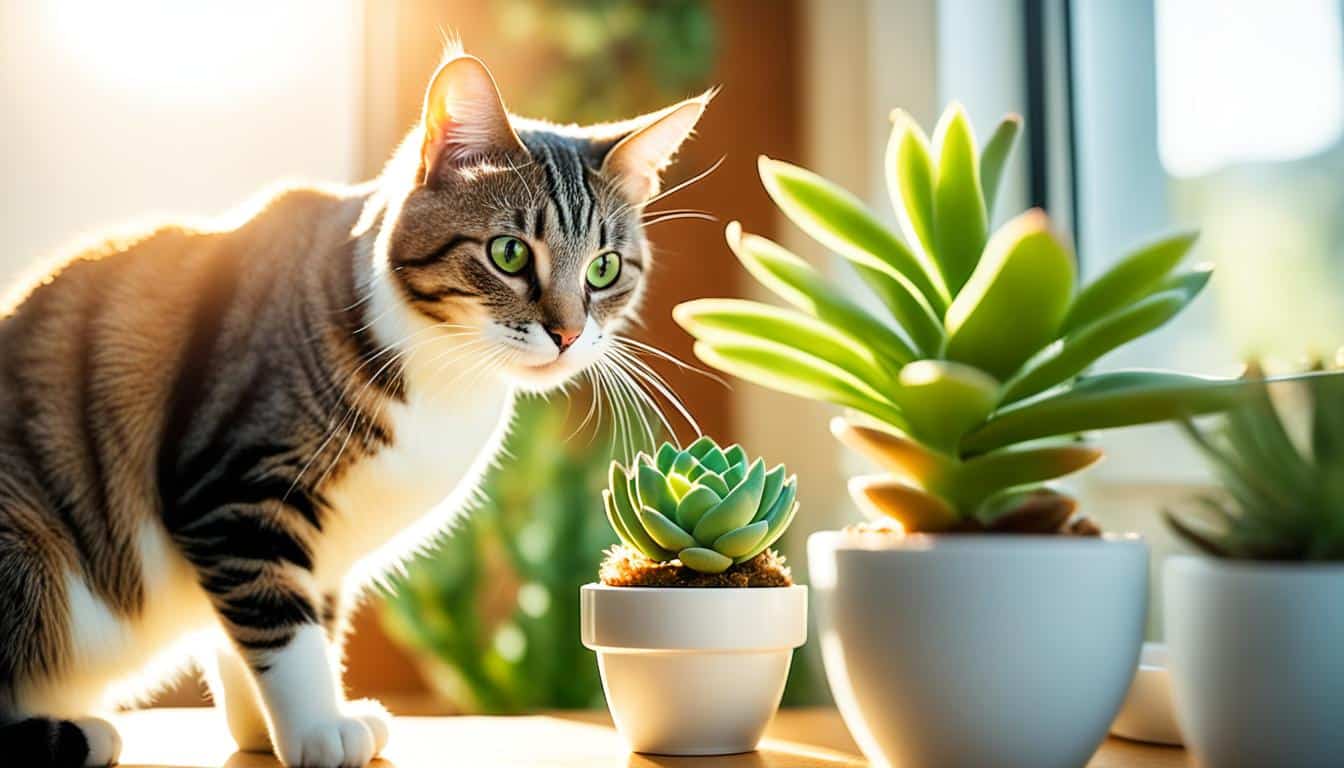
There’s a whimsical beauty in watching a domestic cat, nose twitching with intrigue, cautiously approach a cactus. Such moments are micro-narratives of coexistence, where the ancient resilience of succulents meets the living curiosity of animals. Photographs and anecdotes revealing pets’ curious interactions with cacti highlight the necessity of mindful selection but also celebrate the charm this interaction bestows on our homes. These images remind us that plants are not merely decorative objects but co-inhabitants in life’s richly woven tapestry.
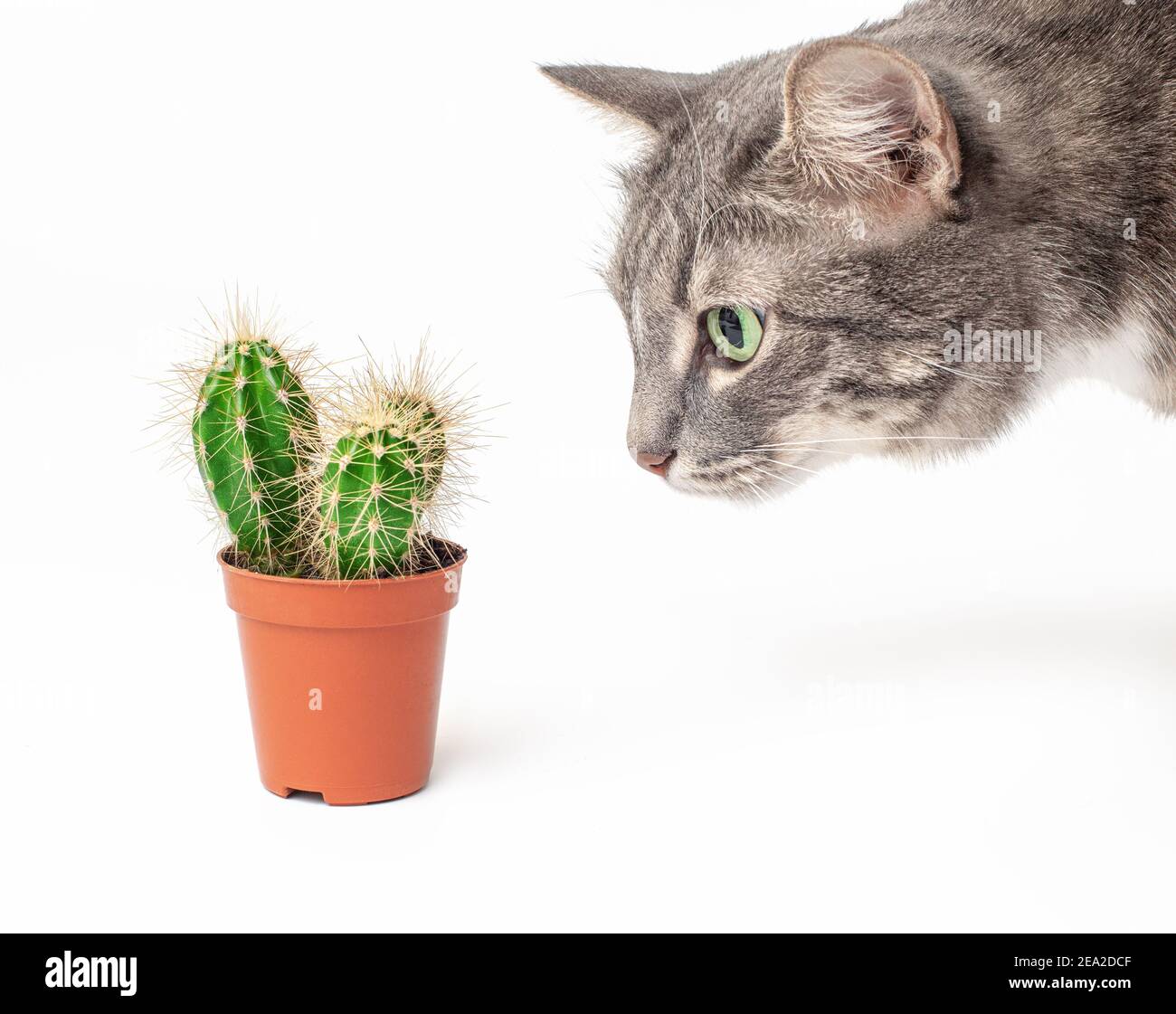
The dynamic interplay between plant and pet animates domestic spaces with warmth and unpredictability, encouraging a reimagination of how we cultivate green companions.
Conclusion: A Harmonious Tapestry of Life and Green Companions
Choosing the best cactus for homes with curious pets transcends simple selection—it is an exercise in empathy, curiosity, and creative care. By acknowledging the physical and behavioral nuances of both plant and pet, new possibilities emerge where beauty does not sacrifice safety, and exploration is met with respect. From the blunt elegance of the Cuddly Cactus to the gentle tactile invitation of fuzzy-spined Mammillarias, safe cacti offer a gentle revolution in pet-friendly interior gardening. Positioned thoughtfully, complemented with strategic behavioral management, these plants weave a harmonious tapestry within vibrant homes—spaces alive with the spirit of coexistence, where every sniff and paw step unfolds a story of mutual wonder and protection.
FAQ
What is the best cactus for homes with pets?
The Cereus Cactus, often known as the ‘Cuddly Cactus,’ is among the best choices for homes with pets due to its soft spines and non-toxic nature.
Are all cacti safe for pets?
No, not all cacti are safe for pets. It’s important to choose non-toxic varieties and those with minimal or soft spines.
How should I place cacti in my home if I have pets?
To keep cacti safe from curious pets, place them on elevated surfaces such as windowsills or hanging planters, and consider using barriers.
Leave a Reply