
Short Answer
In the vast, sun-drenched landscapes where the earth meets the sky, a silent revolution is unfolding—not in the clamor of human voices, but in the quiet resilience of a plant that has mastered survival against all odds. The cactus, with its spiky exterior and stoic endurance, has long been a symbol of tenacity. Yet, beneath its prickly surface lies a genetic blueprint so extraordinary that it is now rewriting the rules of botanical science. From the arid deserts of the Americas to the cutting-edge laboratories of modern universities, the study of cactus DNA is not merely an academic pursuit; it is a gateway to reimagining how life adapts, thrives, and even flourishes in the face of adversity. What secrets do these spiny survivors hold within their cells? How might their genetic adaptations inspire breakthroughs in agriculture, medicine, and environmental sustainability? Prepare to embark on a journey through the microscopic world of cactus DNA—a journey that promises to shift your perspective on what it means to endure, innovate, and adapt.
The Genetic Tapestry of Survival: How Cacti Defy Drought and Time
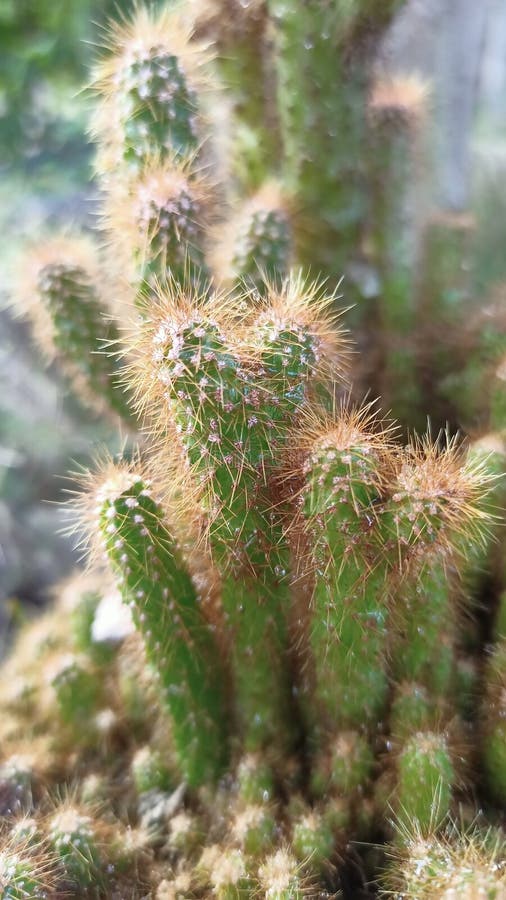
At the heart of every cactus’s ability to thrive in some of the planet’s most inhospitable environments lies a genetic marvel. Unlike most plants, which wilt at the first sign of dehydration, cacti have evolved a suite of molecular adaptations that allow them to store water with the efficiency of a camel and photosynthesize with the precision of a solar panel. Their DNA is a patchwork of genes that regulate water retention, minimize transpiration, and even reroute metabolic pathways to prioritize survival over growth. One of the most fascinating discoveries is the presence of CAM photosynthesis (Crassulacean Acid Metabolism), a genetic innovation that allows cacti to open their stomata—tiny pores for gas exchange—only at night. This nocturnal strategy drastically reduces water loss, a trick that has captivated scientists seeking to engineer drought-resistant crops. Imagine wheat fields that no longer wither under the scorching sun, or rice paddies that flourish in arid climates. The cactus genome holds the key to such a future, where food security and ecological balance are no longer at odds with one another.
Spines, Succulence, and Secret Weapons: The Multifaceted Role of Cactus Genes
Beyond their water-saving photosynthesis, cacti possess a genetic arsenal tailored for defense and resilience. Their spines, often dismissed as mere adornments, are in fact highly specialized structures encoded by genes that govern both form and function. Some spines are modified leaves, while others are modified stems, each serving as a physical deterrent to herbivores or a shield against the relentless sun. But the genetic story doesn’t end there. Recent studies have uncovered genes in cacti that produce allelochemicals—naturally occurring compounds that deter pests and pathogens. These biochemical defenses are not just a curiosity; they are a potential goldmine for organic farming, offering alternatives to synthetic pesticides that poison ecosystems. Moreover, the succulent nature of cacti, enabled by genes that promote water storage in their fleshy tissues, has sparked interest in bioengineering plants that can act as living water reservoirs in drought-prone regions. The implications are staggering: crops that double as hydration sources, or urban greenery that cools cities while purifying the air. The cactus genome is not just a relic of evolution; it is a blueprint for a greener, more sustainable world.

From Desert to Lab: How Scientists Are Decoding the Cactus Genome
The journey from observing cacti in their natural habitat to unraveling their genetic secrets is a testament to human ingenuity. Modern biotechnology has equipped researchers with tools that were once the stuff of science fiction—CRISPR gene editing, high-throughput sequencing, and AI-driven data analysis. In laboratories, cactus DNA is being meticulously mapped, gene by gene, to identify the precise sequences responsible for their extraordinary traits. One groundbreaking study, for instance, isolated a gene in the Opuntia genus (the prickly pear cactus) that enhances salt tolerance, a discovery with profound implications for coastal agriculture where soil salinity is a growing threat. Another project delved into the genetic underpinnings of cactus root systems, revealing adaptations that allow them to extract moisture from even the most parched soils. These findings are not confined to the realm of theory; they are being tested in real-world applications, from drought-resistant maize to genetically modified crops that can sequester carbon more efficiently. The cactus genome is no longer a closed book—it is an open invitation for innovation, a challenge to humanity to learn from nature’s most resilient survivors.
The Cactus as a Cultural and Scientific Muse: Bridging Ancient Wisdom and Modern Discovery
The story of cactus DNA is not merely a scientific narrative; it is a cultural one, woven into the fabric of societies that have revered these plants for millennia. Indigenous communities across the Americas have long understood the cactus’s value, using its fruits, pads, and even its spines for food, medicine, and tools. Today, this ancestral knowledge is converging with cutting-edge research, creating a synergy that honors both tradition and progress. Consider the peyote cactus, whose psychoactive compounds have been used in spiritual ceremonies for centuries. Now, scientists are exploring its genetic pathways to understand not just its mind-altering properties, but also its potential in treating neurodegenerative diseases. Similarly, the Saguaro cactus, a towering symbol of the Sonoran Desert, is being studied for its genes that promote longevity and resilience, offering clues to human aging and disease resistance. This fusion of indigenous wisdom and modern science underscores a profound truth: the solutions to our most pressing challenges often lie in the places we least expect. The cactus, once a humble desert dweller, is now a bridge between past and future, a reminder that innovation need not always look to the stars—sometimes, it’s hidden in the spines of a plant.
Beyond the Lab: The Ethical and Ecological Implications of Cactus Genetic Research
As with any powerful tool, the study of cactus DNA raises important ethical and ecological questions. The rush to patent and commercialize genetic discoveries could lead to the exploitation of indigenous knowledge or the monopolization of life-saving traits by corporations. There is also the risk of unintended consequences—introducing genetically modified cacti into new ecosystems, for example, could disrupt delicate balances and outcompete native species. Yet, these challenges are not insurmountable. Ethical frameworks, such as the Nagoya Protocol, are being developed to ensure that genetic resources are shared equitably and that benefits flow back to the communities that have stewarded them for generations. Moreover, the focus on cactus genetics offers an opportunity to rethink our relationship with the natural world. Instead of viewing plants as mere resources to be exploited, we can see them as collaborators in the quest for sustainability. The cactus, with its ability to thrive where others cannot, challenges us to ask: What other overlooked species hold the keys to our survival? How can we design agricultural systems that mimic the resilience of nature rather than fight against it? The answers may well lie in the silent, spiky guardians of the desert.
A Call to Action: Why the World Needs to Pay Attention to Cactus DNA
The story of cactus DNA is, at its core, a story about resilience—about life’s ability to adapt, innovate, and endure in the face of overwhelming odds. It is a narrative that resonates deeply in an era marked by climate change, biodiversity loss, and food insecurity. The cactus genome is not just a scientific curiosity; it is a beacon of hope, a reminder that the solutions to our greatest challenges may already exist in the natural world, waiting to be discovered. For policymakers, this means investing in research that explores the untapped potential of plant genetics. For farmers, it means embracing crops that can thrive in a warming world. For scientists, it means asking bold questions and challenging conventional wisdom. And for all of us, it means recognizing that the path to a sustainable future is not paved with destruction, but with collaboration—with the cactus, with nature, and with each other. The next time you see a cactus standing tall against the desert sun, remember: it is not just a plant. It is a genetic masterpiece, a testament to life’s ingenuity, and a promise of what is possible when we dare to look closely at the world around us.
FAQ
What is the significance of cactus DNA studies?
These studies provide insights into genetic adaptations that can inspire agricultural innovations and enhance sustainability.
How can cactus genetics impact agriculture?
Cactus genetics can lead to the development of crops that are more resilient to drought and climate change.


Leave a Reply