

Short Answer
Imagine stepping into worlds where nature’s resilience flourishes in stunning arrays of spiny sculptures and blooming marvels. Cactus gardens across the globe are not just collections of thorny plants; they promise an enchanting shift in perspective—a journey into ecosystems where survival meets artistry. These arid marvels beckon travelers with their silent stories of endurance, adaptation, and an unyielding beauty that contrasts vividly against harsh deserts and urban landscapes alike. Embarking on a voyage to explore the world’s most breathtaking cactus gardens is to awaken your curiosity and redefine what nature’s masterpieces truly are.
The Allure of Global Cactus Gardens
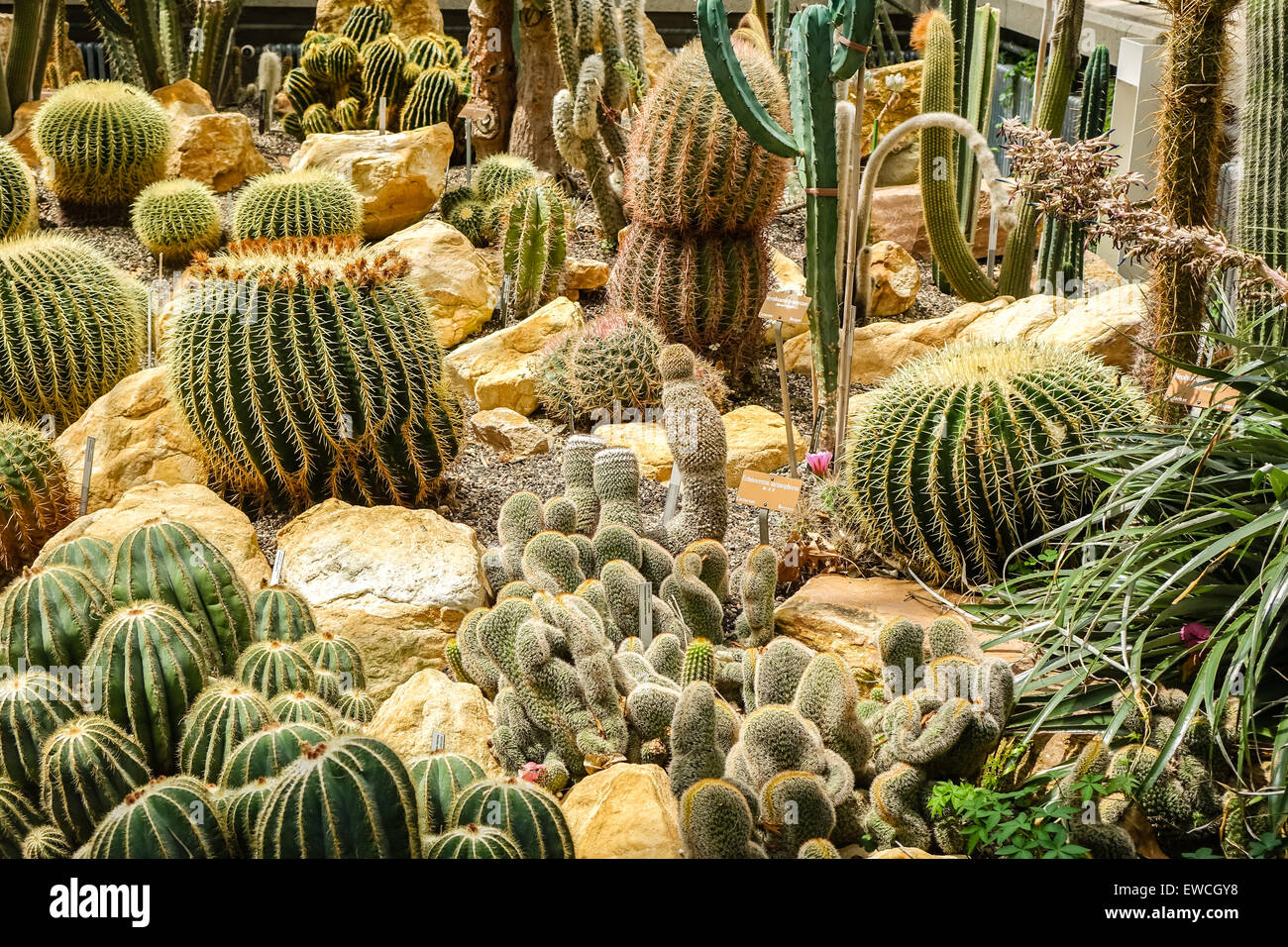
Cactus gardens offer more than just a botanical showcase; they are living museums of biodiversity and cultural symbolism. From the towering saguaro cacti of the American Southwest to the exotic varieties adorned in vibrant blooms in South America, each garden paints a unique ecological portrait. These gardens invite visitors not just to observe but to contemplate resilience and adaptation—qualities intrinsic to cacti evolving over millions of years. Because of their remarkable ability to conserve water and thrive in extreme climates, cacti stand as metaphors of endurance against daunting odds.
When you walk through these gardens, you witness an orchestration of textures and colors that rewrite what “desert life” means. The rigid geometries of spines, the succulent juiciness of pads, and explosions of color from unexpected flowers create a sensory tapestry unlike any other. These spaces are sanctuaries for the curious mind and the adventurous spirit alike.
Mexico’s Xerophilous Treasure Trove

Mexico stands as an epicenter for cactus diversity and cultural heritage. Its vast xerophilous landscapes nurture some of the most extraordinary cactus species in the world. Gardens here not only conserve these botanical gems but also serve as cultural repositories where indigenous uses of cacti—ranging from culinary to medicinal and spiritual—are celebrated. The San Pedro Cactus, a towering specimen native to the region, exemplifies the mystical allure intertwined with nature’s fortitude.
Walking through these gardens, you encounter spiny columns reaching skyward and compact globular forms that seem to defy gravity and logic. Each species tells a story of arid survival, and each bloom—a rare gem—is a fleeting spectacle of nature’s whimsy. The intricate relationship between humans and cacti in Mexico invites visitors to ponder the deeper meanings of coexistence and reverence for the natural world.
United States: Desert Oases of Diversity
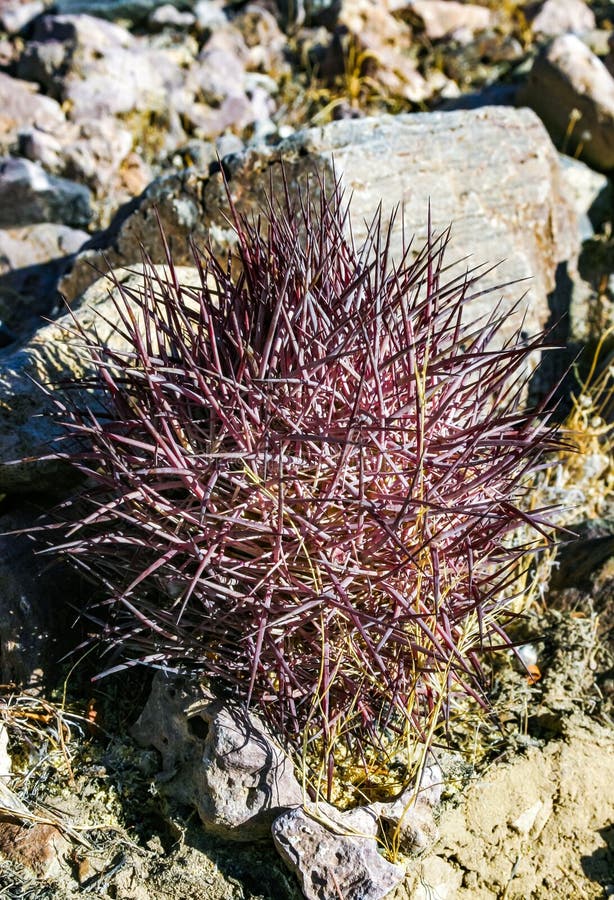
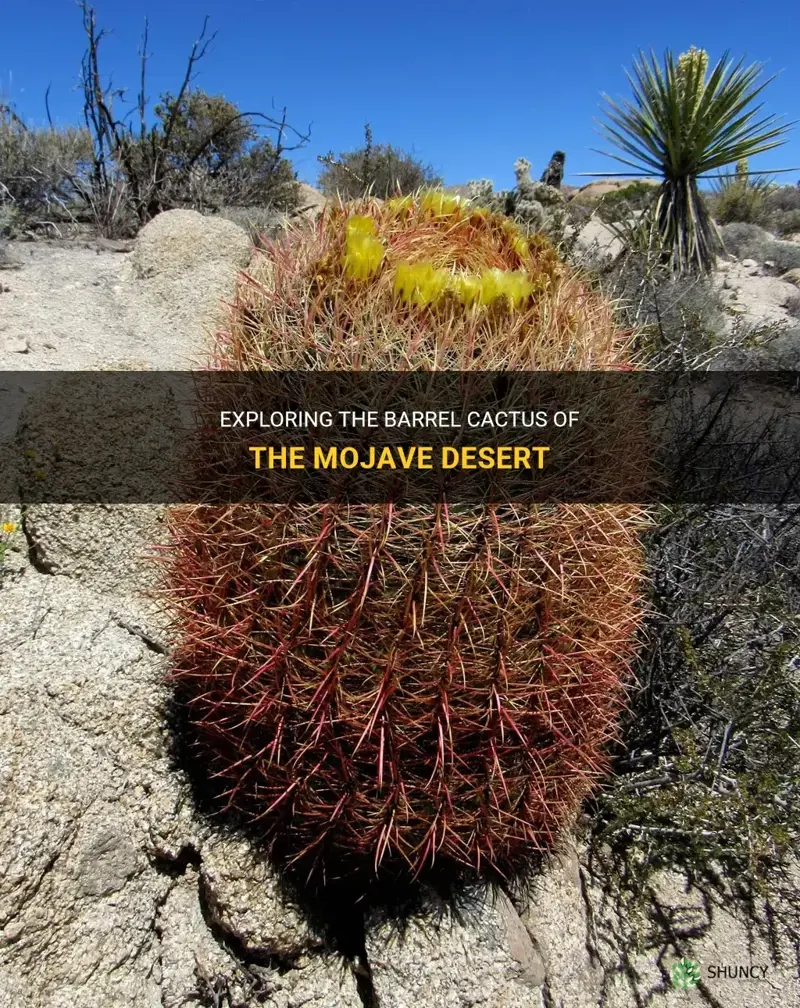
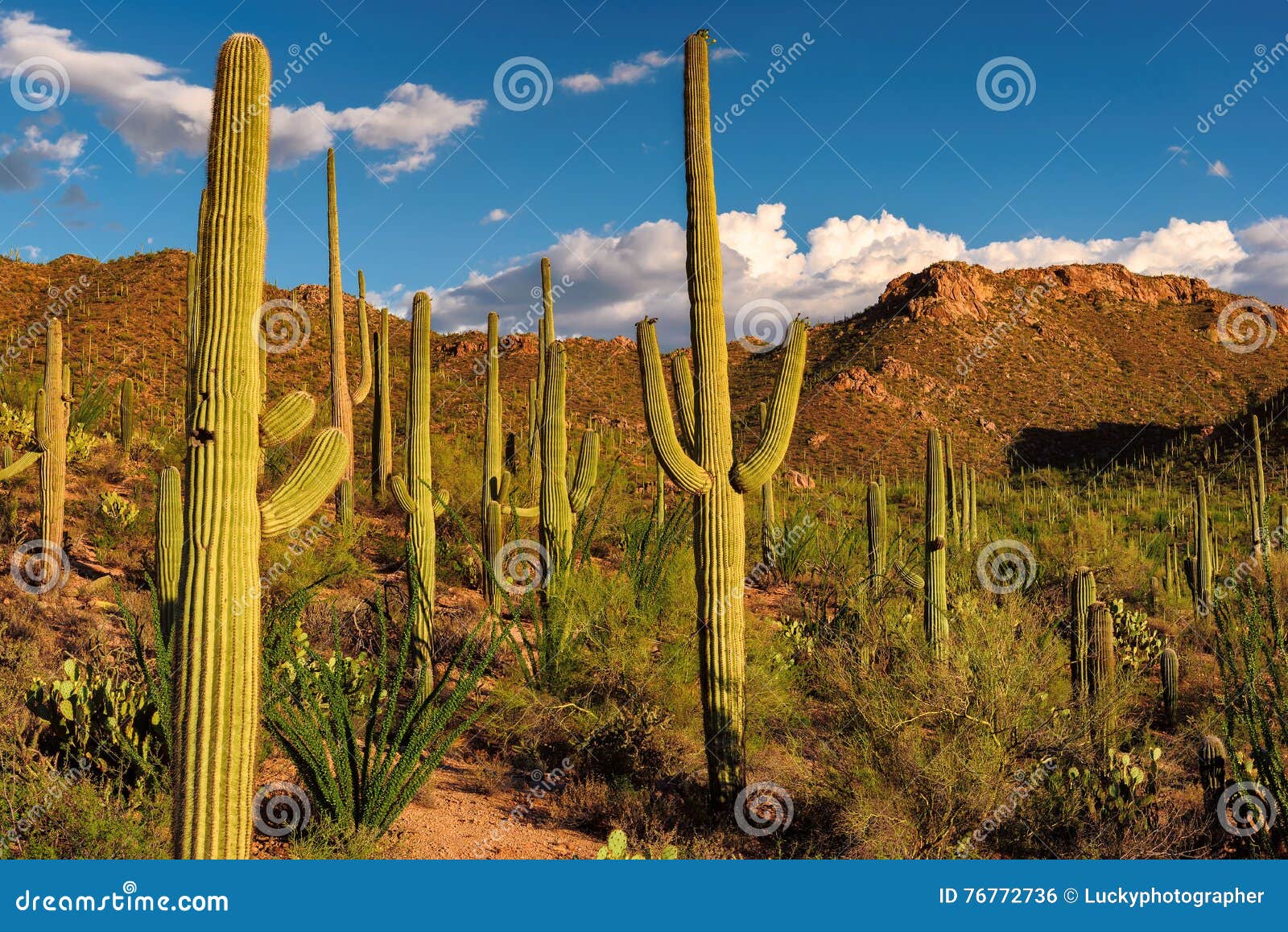
The American Southwest is synonymous with iconic cacti like the saguaro, prickly pear, and barrel cactus. Here, botanical gardens and protected desert parks serve as curated windows into the desert biome’s marvels. This region’s cactus gardens are immersive experiences where biodiversity flourishes amid cheek-by-jowl spiny formations and flowering wonders.
Visitors revel in the hybrid landscapes where ancient cacti structures stand guard over modern interpretive trails. Many gardens also integrate interactive exhibits revealing the ecological importance of cacti, from providing shelter for desert fauna to sustaining delicate water cycles. The blend of education and aesthetic immersion ignites a profound appreciation for these hardy plants that shaped desert myths and frontier narratives.
Europe’s Exotic Cactus Sanctuaries
Surprisingly, Europe harbors some of the most intriguing cactus gardens, often housed in conservatories and botanical parks brimming with international species. These sanctuaries offer a fascinating glimpse into the global fascination with cacti during the age of exploration and colonial expansion. European gardens do not merely replicate desert environments; they transform them into lush, curated exhibitions rich with historical layers and horticultural expertise.
From the sun-dappled terraces of southern Spain to the grand glasshouses of Italy and the United Kingdom, cactus gardens radiate a cosmopolitan flair. Rarely do the cacti here grow wild, but their curated growth is a testament to human curiosity and the desire to bring the strange and exotic closer to home. These gardens encourage visitors to rethink climate and geography as limits, instead embracing the possibilities of botanical ingenuity and global connection.
South American Botanical Marvels
South America’s cactus gardens are nothing short of botanical epics. Countries like Chile, Peru, and Argentina contain both natural reserves and cultivated gardens that celebrate native species such as Echinopsis pachanoi and the fierce Cholla cactus. These gardens are steeped in the continent’s deep ecological narratives and indigenous lore, revealing cacti as central figures in landscape mythology and survival.
Walking these gardens, one senses the subtle interplay between the towering giants and delicate blossoms—each shaped by the Andes’ formidable geography and climate fluctuations. These cactus gardens emphasize the symbiotic relationship between plant and place, giving visitors a chance to immerse in ecosystems where life hinges on adaptation and innovation.
Unveiling the Unexpected: Beyond Desert Landscapes
One of the most captivating revelations when exploring cactus gardens around the world is their diverse habitats. Cacti are often stereotyped as exclusive to deserts, but in reality, they prosper in surprisingly varied niches—from tropical rainforests to alpine mountains. Garden curators have embraced this complexity, creating microhabitats and thematic plantings that spark surprise and wonder.
Many botanical gardens incorporate storytelling through landscape design, featuring cacti alongside companion plants like agaves, succulents, and desert wildflowers. This approach invites visitors to reconsider preconceived notions, stimulating a curiosity that goes beyond surface observation into a deeper ecological awareness. The elusive beauty of cacti often challenges and expands our understanding of resilience and environmental harmony.
Planning Your Visit: Tips for the Intrepid Explorer
To fully savor the wonder of cactus gardens, timing and preparation matter. Spring and early summer are ideal for witnessing the rare and ephemeral blooming phases, while off-peak seasons offer tranquil spaces for reflective exploration. Many gardens provide guided tours that delve into the botanical, cultural, and ecological significance of their collections, enhancing visitor engagement.
When visiting, be prepared for the heat and dryness of many cactus habitats—even in garden settings—by wearing sun protection and staying hydrated. Patience and attentiveness reveal hidden details: subtle hues in spines, tiny flower buds, and the interwoven lifeforms depending on cacti for survival. Engage all your senses; these gardens are multi-sensory experiences not to be rushed. Embrace the slow, deliberate fascination that only cactus gardens can inspire.
The Transformative Power of Cactus Gardens
Cactus gardens offer more than botanical beauty—they promise a transformative journey. They invite us to peer into a sphere where austerity and exuberance coexist, where life thrives under constraints that would defeat most other species. Traveling through these gardens around the world shifts perspectives on survival, artistry, and ecological collaboration.
Every cactus garden you visit enriches your understanding of nature’s ingenuity. It awakens a curiosity to seek out hidden wonders in unexpected places. By immersing yourself in these resilient landscapes, you carry home a new lens—a renewed admiration for life’s capacity to flourish when challenged. This is the true gift of cactus gardens: they do not simply show you plants, they ignite your imagination and deepen your connection to the planet’s enduring spirit.
FAQ
What types of cacti can be found in these gardens?
Cacti such as saguaro, prickly pear, barrel cactus, and various exotic species.
Are cactus gardens only found in deserts?
No, cacti can thrive in various habitats, including tropical and alpine environments.

Leave a Reply