
Short Answer
Venturing into America’s national parks offers more than sweeping landscapes and breathtaking vistas; it opens a window into the resilient, sculptural world of cacti—those iconic desert denizens whose forms and adaptations tell tales of survival and beauty. Native cacti genera pepper the arid and semi-arid regions of the United States, each with its distinctive silhouette, flower, and ecological significance. Whether you are a seasoned botanist, an enthusiastic nature lover, or a curious traveler, discovering where to witness these spiny marvels in their natural habitat adds an extraordinary dimension to your park explorations.
The Majestic Saguaro: Sentinel of the Sonoran Desert
The saguaro cactus (Carnegiea gigantea) stands as an emblem of the American Southwest, renowned for its towering stature and sweeping arms that seem to reach skyward in quiet worship. Found almost exclusively in the Sonoran Desert, this species epitomizes desert grandeur.  Several national parks boast thriving saguaro populations, most notably Saguaro National Park in Arizona. This park splits into two districts flanking Tucson—each offering distinct perspectives of the giant cacti in dense “forests.” Visitors can immerse themselves in extensive trail systems where saguaros flourish alongside palo verde and mesquite trees, providing a quintessential desert tapestry. During spring, these giants burst into fragrant white blossoms, attracting a host of pollinators and illuminating their nighttime environment under starlit skies.
Prickly Pears and Their Vibrant Genera Across Diverse Terrains
The genus Opuntia, known colloquially as prickly pears, is widespread across the United States and manifests in a dazzling array of shapes and sizes—from squat pads to tree-like forms. These adaptable plants thrive in everything from the Rocky Mountains to the Gulf Coast, making them some of the most accessible cacti to encounter.  National parks such as Big Bend National Park in Texas and Joshua Tree National Park in California provide excellent opportunities to witness prickly pears’ spectacular seasonal fruit known as tunas, ranging from deep magentas to bright yellows. These edible fruits hold significance in indigenous cultures, serving as sustenance and ingredients in traditional recipes. Additionally, the vibrant yellow to orange blossoms enliven otherwise austere landscapes, heralding the arrival of warmer months and providing critical nectar sources for native bees and birds.
Cholla Cacti: The ‘Teddy Bear’ of the Desert, Cautiously Loved
Cholla, with its segmented stems that often appear fuzzy from afar, add a peculiar charm to the desert’s visual lexicon. While their nickname “teddy bear cactus” might evoke a sense of cuddliness, their barbed spines tell a different story, demanding respectful observation. These cacti find a prime habitat in places such as the Organ Pipe Cactus National Monument in Arizona and parts of the Mojave Desert. The cholla’s unique reproductive strategy—dispersing segments carried by animals or unwary hikers—demonstrates a fascinating evolutionary adaptation that enhances their spread across harsh terrains. The springtime blooms, often in hues of greenish-yellow or magenta, reveal a delicate contrast to the cactus’s formidable defense mechanism.
The Lesser-Known Star: The Hedgehog and Clumping Cacti
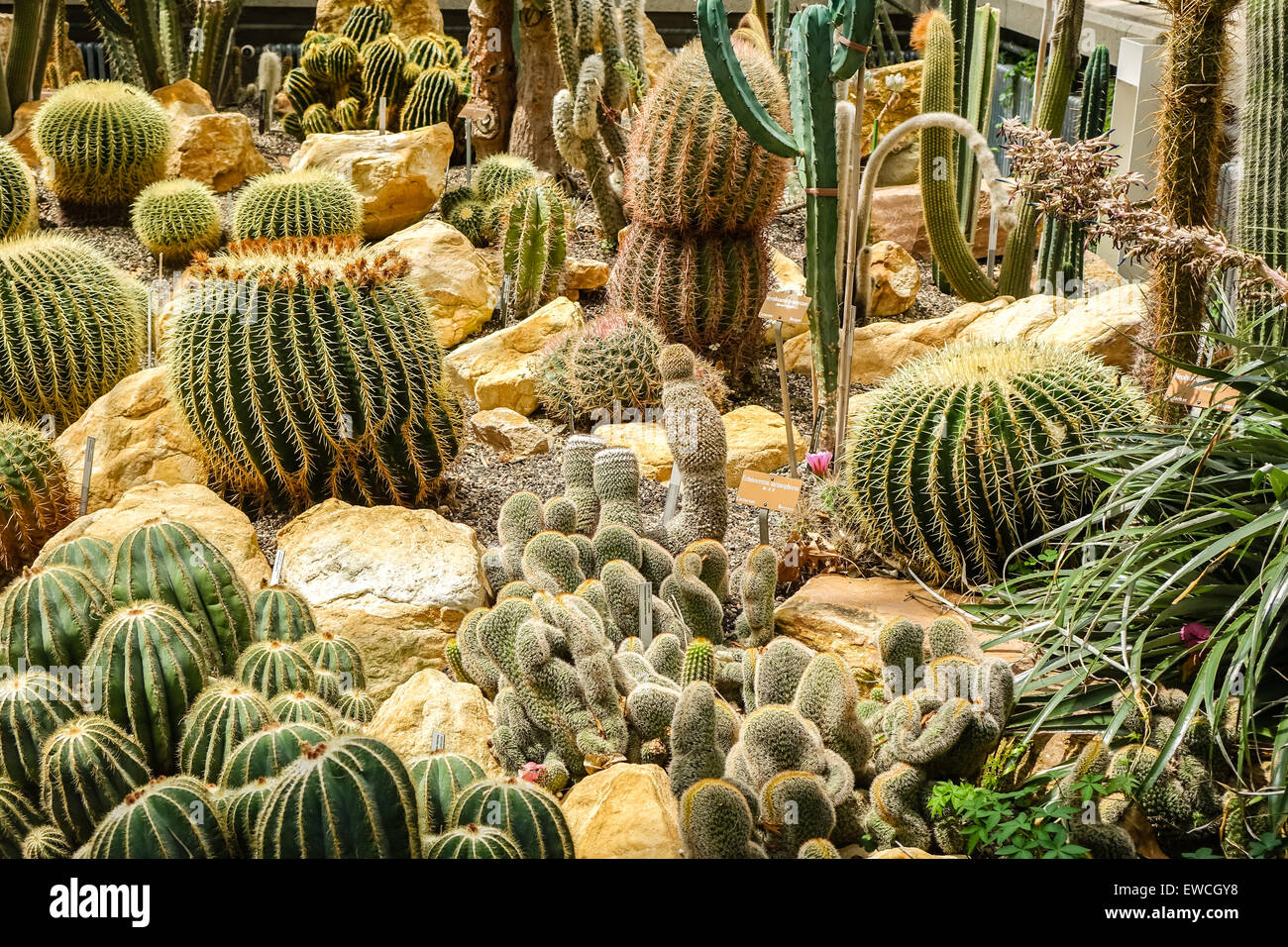
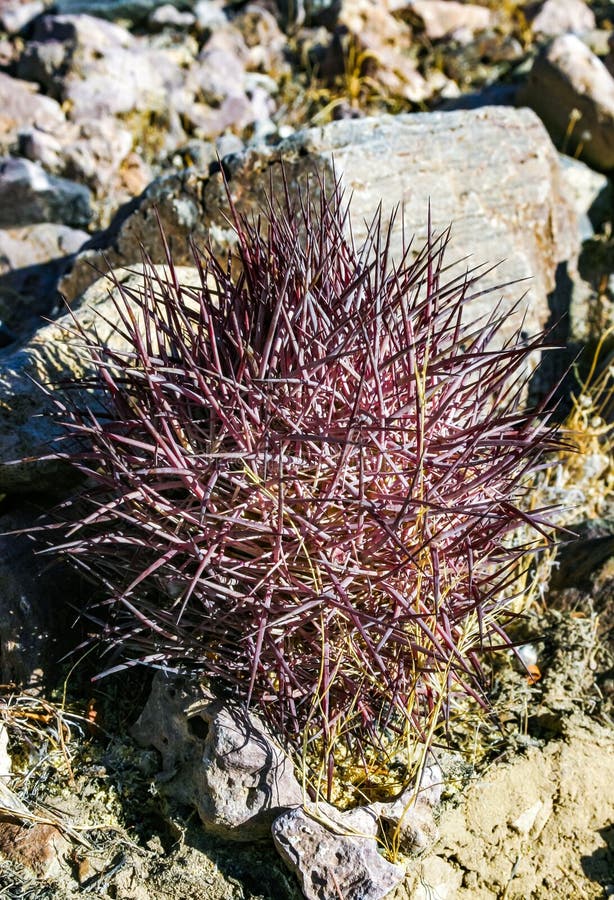
Under the radar of mainstream attention lies a fascinating group of cacti such as the hedgehog cacti (Echinocereus species), which often form vibrant clusters and are especially prevalent in the Chihuahuan Desert region. These denizens of rocky outcrops and slopes can be spotted in Carlsbad Caverns National Park and Guadalupe Mountains National Park in Texas and New Mexico. Their flowers are amongst the most vividly colored in the cactus family, with sculptural bracts that resemble ornate jewels—a true delight for photographers and botanists alike. Their clumping habit not only aids in survival by protecting individual stems from environmental extremes but also creates microhabitats for desert fauna, contributing to ecological complexity.
Seasonal Highlights: When and Where to Witness Cactus in Bloom
While cacti are emblematic of austere beauty year-round, their flowering periods offer a rare glimpse of ephemeral splendor that punctuates desert monotony with bursts of color. Springtime is broadly when most cacti bloom; however, this timing varies depending on altitude and latitude. For example, saguaros flower predominantly from late April to early June in Arizona, whereas prickly pears and hedgehogs might extend flowering into early summer, especially after winter rains. National parks often celebrate these natural spectacles with ranger programs centered on cactus ecology and conservation, providing deeper insights into pollination strategies involving bats, bees, and hummingbirds. Planning visits around these blooming seasons enhances experiences, allowing visitors to witness the full lifecycle glory of these native genera.
Conservation Stories: Protecting Native Cacti and Their Habitats
Behind the mesmeric beauty of cacti lies a complex story of conservation challenges. Many native genera face threats from invasive species, illegal collection, climate change, and habitat fragmentation. National parks, with their dedicated management frameworks, serve as bastions of protection, fostering research and education initiatives aimed at preserving these botanical treasures. Some parks have interpretive trails specifically designed to showcase rare and endangered cacti, educating visitors on the importance of sustainable visitation practices. Respecting posted guidelines—such as refraining from stepping on fragile cacti clusters or removing specimens—ensures that future generations can continue to marvel at the diversity of these desert specialists.
Encounters Beyond the Trail: Cultural Significance of Native Cacti
The allure of cacti transcends their ecological value. Numerous Native American tribes have woven these plants into the fabric of their culture, medicine, and art. From the fruit harvesting traditions of the Tohono O’odham in the Sonoran Desert to symbolic uses of cactus spines in jewelry and ceremonial objects, these plants hold profound meaning. National parks increasingly integrate cultural storytelling into their interpretive programs, offering visitors immersive experiences that go beyond the botanical. Such narratives enrich one’s understanding of cacti not merely as plants, but as living legacies intertwined with human history and identity in the American Southwest.
Exploring native cacti across U.S. national parks invites visitors into a world where resilience meets artistry, and survival is painted in spines, blooms, and shadows. Whether towering saguaros silhouette against a desert sunset or delicate hedgehog flowers dot rocky gullies, the diversity and splendor of these desert plants offer a compelling chapter in the story of America’s natural heritage.
FAQ
Where can I see Saguaro cacti in the U.S.?
Saguaro cacti are predominantly found in Saguaro National Park in Arizona.
What are the best national parks to see prickly pears?
Prickly pears can be observed in Big Bend National Park and Joshua Tree National Park.
When do cacti typically bloom?
Most cacti bloom in spring, but specific timing varies by species.


Leave a Reply