
Short Answer
There’s something undeniably magnetic about the saguaro cactus. Towering and majestic, these iconic sentinels of the Sonoran Desert command a unique kind of reverence. Few places celebrate their grandeur quite like Saguaro National Park, a verdant refuge where cactus lovers find themselves spellbound not merely by their towering silhouettes, but by the stories they whisper and the landscape they sculpt. This isn’t just a park—it’s an immersive experience that reveals why the saguaro cactus fascinates so deeply, transcending mere botanical curiosity and touching on broader themes of resilience, time, and desert mystique.
The Iconic Guardian: Understanding the Saguaro Cactus
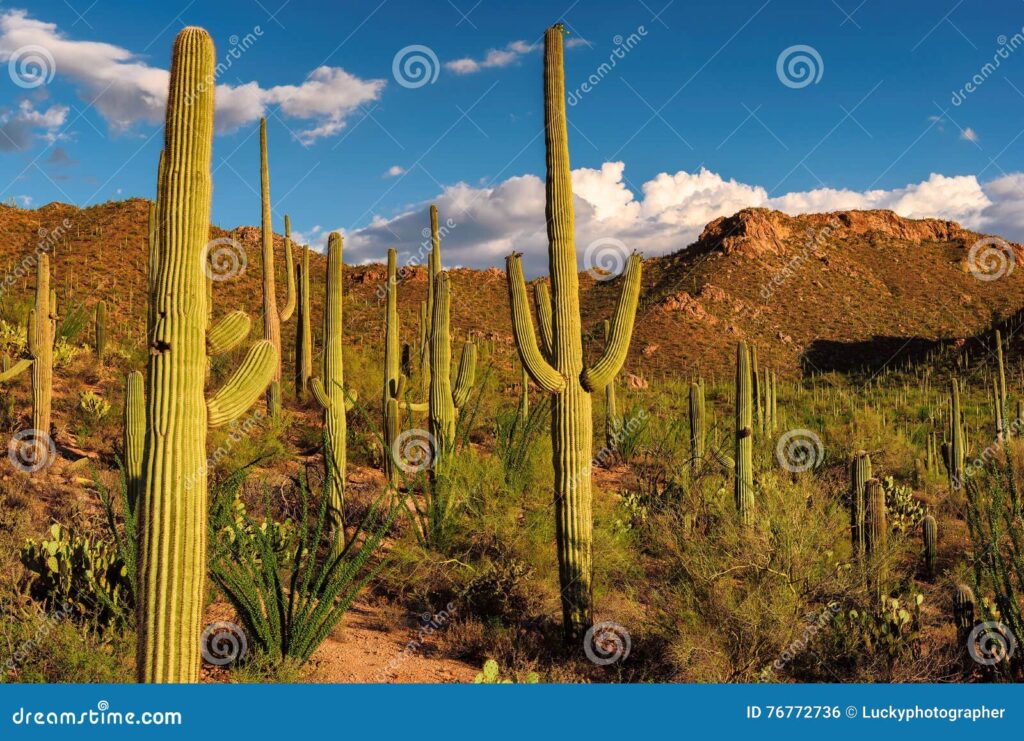
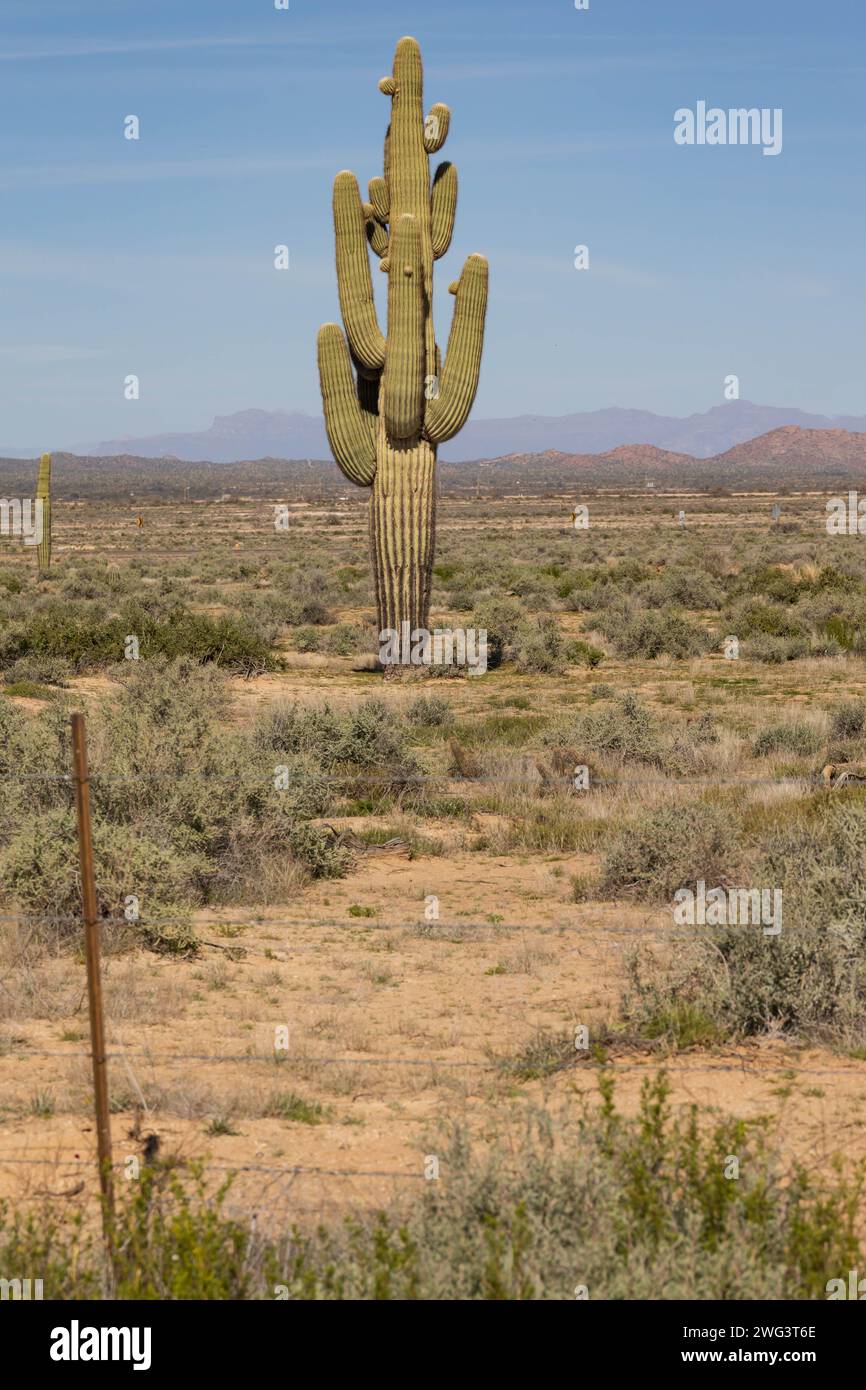
The saguaro (Carnegiea gigantea) is more than a cactus; it’s an emblem of the American Southwest, a towering figure that can reach heights of up to 40 feet and live for over 150 years. Its unique arm-like branches create a silhouette that is instantly recognizable and evocative—a symbol of wilderness and endurance. Observers often remark on its solemn posture, catching glimpses of a stoic survivor holding vigil over an arid expanse. But beneath this seemingly static form pulses a complex physiology adapted to an unforgiving environment.
Saguaro’s pleated skin allows for expansion during rainy seasons, soaking up vital precious moisture that sustains it through long droughts. Its ribbed structure minimizes direct sun exposure, reducing water loss. Such evolutionary ingenuity fuels our fascination—not only do these giants survive, but they thrive where life seems improbable. Encountering a saguaro in its natural habitat is to appreciate millions of years of desert adaptation distilled into a living monument.
A Landscape of Contrasts: Saguaro National Park’s Unique Ecological Palette
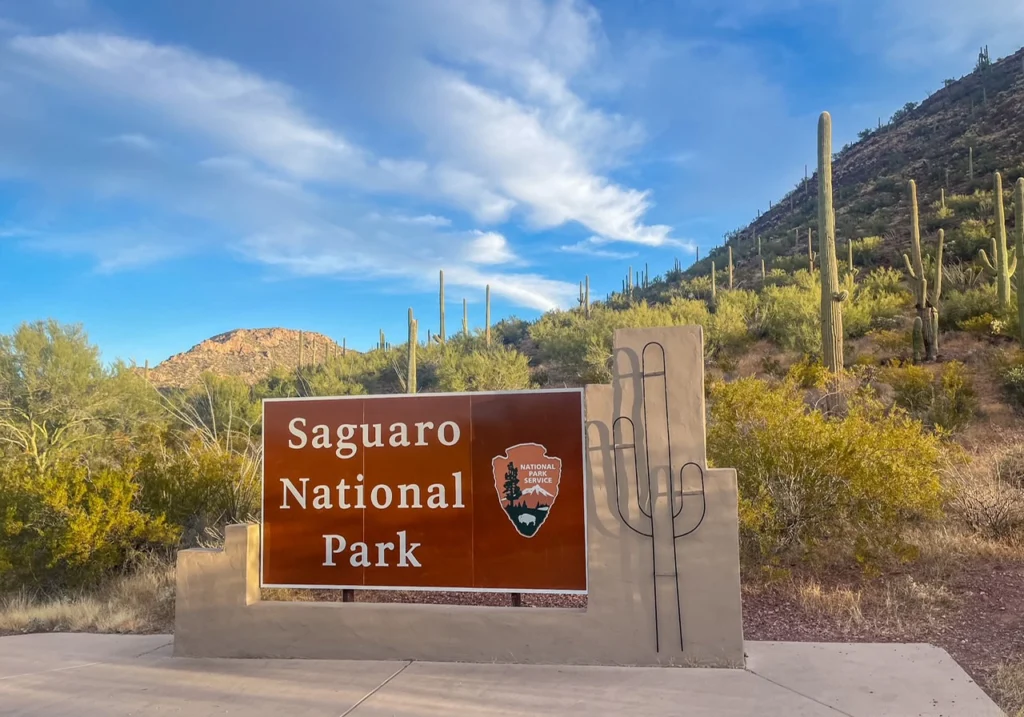
Divided into two distinct districts bracketing Tucson, Arizona, Saguaro National Park showcases the saguaro cactus in dramatically different terrains. The Tucson Mountain District (West) offers rugged rocky landscapes with sprawling saguaros casting long shadows at sunset. The Rincon Mountain District (East), meanwhile, features higher elevations and a more diverse canopy of plants alongside the saguaros. Each district reveals unique stories of desert ecology—where saguaros interplay with wildlife, seasonal blooms, and shifting microclimates.
Visitors quickly realize this park is far from a static desert wasteland. It’s alive with hummingbird visits, javelina patrols, and occasional sightings of elusive bobcats. During spring, the desert explodes with fragrant flowers that create a stunning counterpoint to the stoic green giants. This park exudes a delicate balance—a harmony between survival and flourishing in extremes, which deepens the reason visitors find themselves mesmerized by the landscape’s paradoxes.

Beyond the Beauty: The Cultural and Spiritual Significance of the Saguaro
While the visual majesty of saguaros is enough to draw visitors from around the globe, their significance goes much deeper. Indigenous peoples of the region, including the Tohono O’odham Nation, revere the saguaro as a sacred entity. It is not merely a plant; it forms the foundation of cultural narratives and spiritual practice. The saguaro fruit provides sustenance, while hands-on harvesting rituals reinforce community bonds and respect for desert ecology.
This intertwined relationship lays bare one of the core reasons for our collective fascination. These cacti are silent keepers of history, sources of life, and symbols of spirituality. Encountering a saguaro invites introspection—a moment to consider how humans and nature mutually influence each other in fragile harmony. This synergy between natural wonder and cultural reverence enriches every visit to the park beyond the surface level of admiration.
Experiential Immersion: Trails and Activities to Engage With the Saguaro
To truly appreciate the saguaro’s grandeur, visitors must lace up their hiking boots and venture into the heart of the park. The numerous trails cater to all levels—whether it’s a leisurely stroll beneath shadowed saguaro arms or a strenuous trek up rocky ridgelines. The Desert Discovery Nature Trail welcomes newcomers with informative signage that highlights plant adaptations and wildlife interactions, fostering a deeper ecological understanding.
More adventurous souls find solace on the Signal Hill Trail, where ancient petroglyphs add an archaeological dimension to the botanical spectacle. Early mornings and late afternoons offer the softest light and the coolest temperatures, ideal for capturing the spindly silhouettes as they glow in golden hues. Interpretive programs and ranger talks often reveal hidden nuances about the saguaros’ life cycles and desert survival secrets, transforming eager wanderers into informed enthusiasts.
The Deeper Allure: Why Cactus Lovers Are Irresistibly Drawn Here
What underlies the enduring allure of Saguaro National Park? It is a convergence of awe-inspiring natural beauty, profound ecological insight, and rich cultural storytelling. The park offers more than just a glimpse of a cactus; it crafts an invitation to explore perseverance in the face of adversity, to marvel at an ecosystem thriving under extreme conditions, and to bask in a landscape shaped by millennia of growth and change.
This fascination transcends traditional naturalist interest and enters the realm of poetic engagement. To stand among towering saguaros is to engage with a living narrative—one of patience, strength, and silent grandeur. For cactus lovers and casual visitors alike, Saguaro National Park becomes a sanctuary for contemplation, discovery, and inspiration, cementing its status as a truly indispensable destination.
Planning Your Visit: Tips for a Memorable Experience
When preparing to explore Saguaro National Park, timing and preparation are key. Spring is arguably the most spectacular season, as desert wildflowers bloom and the saguaros flower, attracting pollinators in a symphony of life. Early morning visits are best for solitude and cooler temperatures, while sunset brings out the dramatic colors that photographers dream of.
Hydration and sun protection are essentials—despite its beauty, the desert demands respect. Park facilities offer educational resources, but guided tours provide unparalleled depth for the curious mind. Whether you’re a botanist, a photographer, or simply an admirer of natural splendor, immersing yourself fully in the park’s varied districts unlocks layers of meaning often missed from a casual drive-through.
FAQ
What is the best time to visit Saguaro National Park?
The best time to visit is during spring when the desert flowers bloom and temperatures are mild.
What kind of activities can I do in the park?
Visitors can hike various trails, participate in ranger-led programs, and explore the unique desert ecosystem.



Leave a Reply