
Short Answer
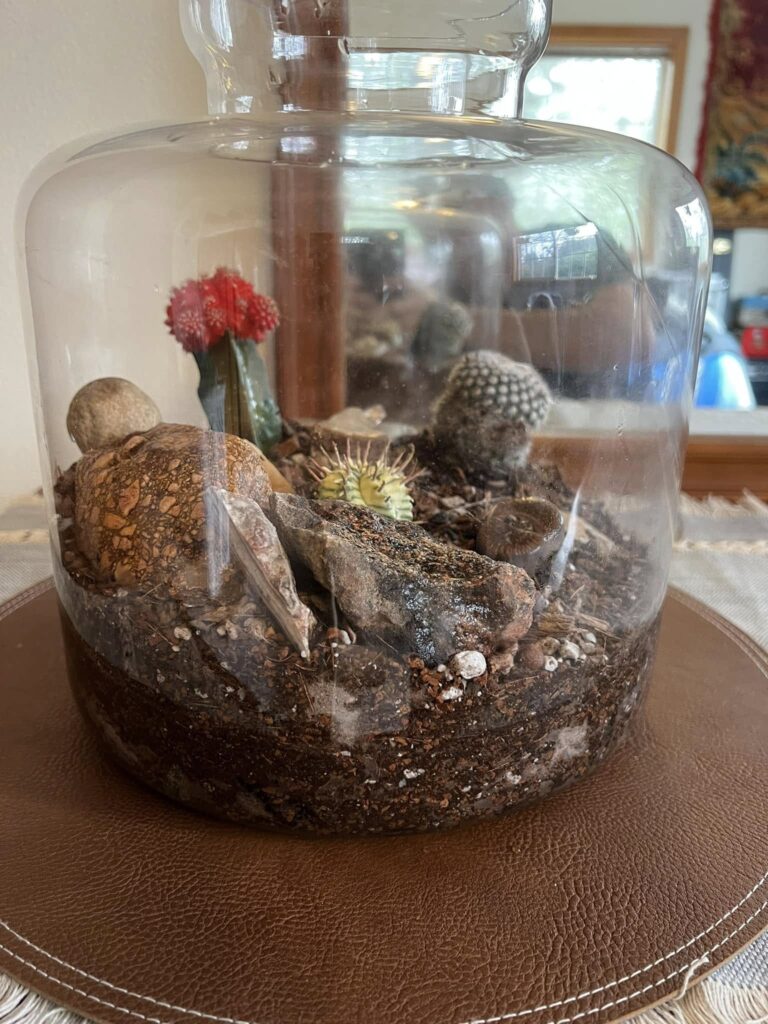
Embarking on the journey of crafting a cactus terrarium is like creating a miniature desert oasis—a delicate blend of art, science, and a touch of whimsy. Whether you’re a budding plant enthusiast or a seasoned green thumb seeking a new venture, this beginner’s guide reveals everything you need to know to assemble a thriving cactus terrarium. From selecting the perfect container to mastering the intricate layering process and choosing the ideal cacti companions, prepare to dive deep into a world where nature and design converge beautifully.
Choosing the Ideal Container
The foundation of a successful cactus terrarium starts with container selection. Glass vessels are the quintessential choice because they allow light to permeate while showcasing the layered substrate and charming plant arrangement. Opt for an open or partially open terrarium; cacti crave airflow to prevent excess moisture buildup that can lead to rot. Bowls, fish tanks, or geometric glass containers with wide mouths provide the perfect breathing room. Avoid fully closed containers as their humid environment is more suited for tropical plants rather than arid-loving cacti.
Selecting Your Cacti: Diversity in Drought-Tolerant Beauty
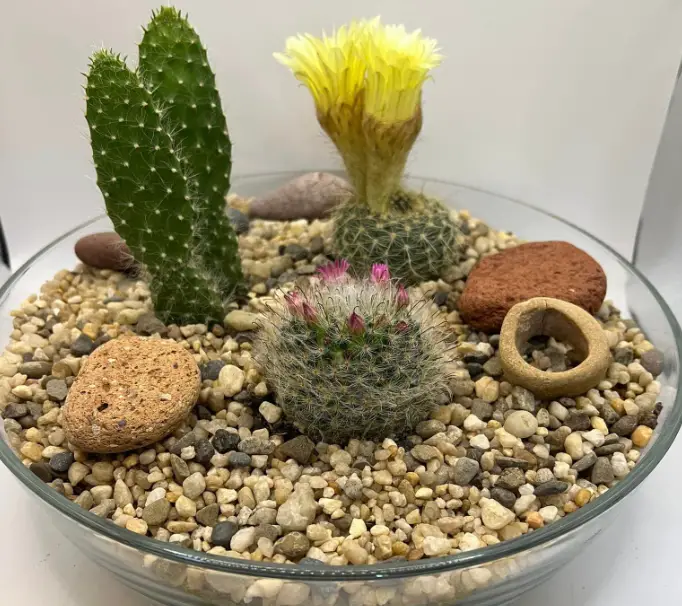
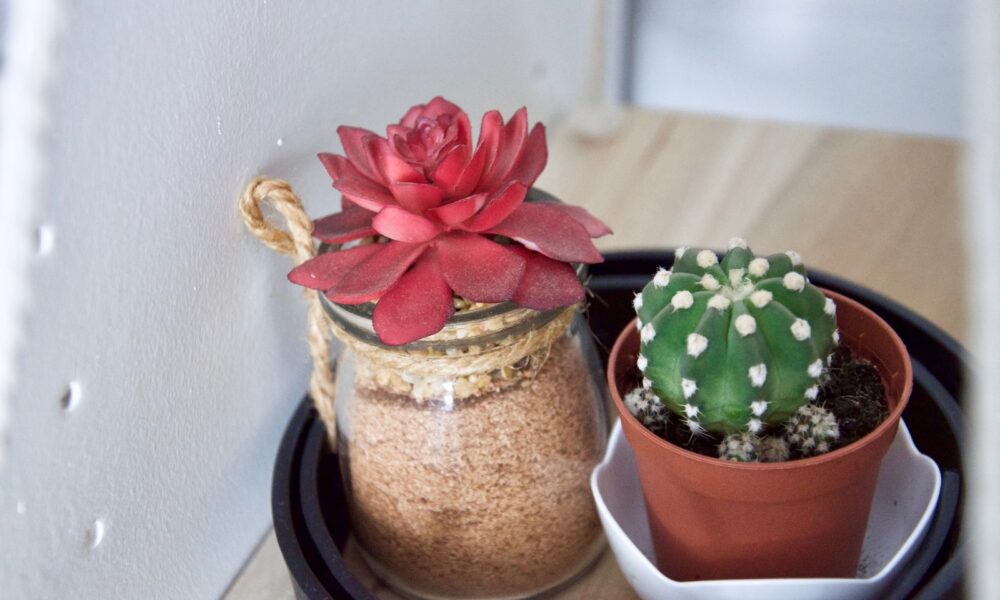
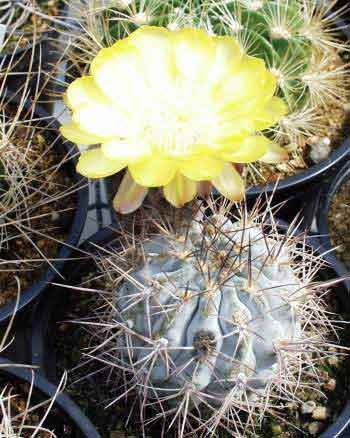
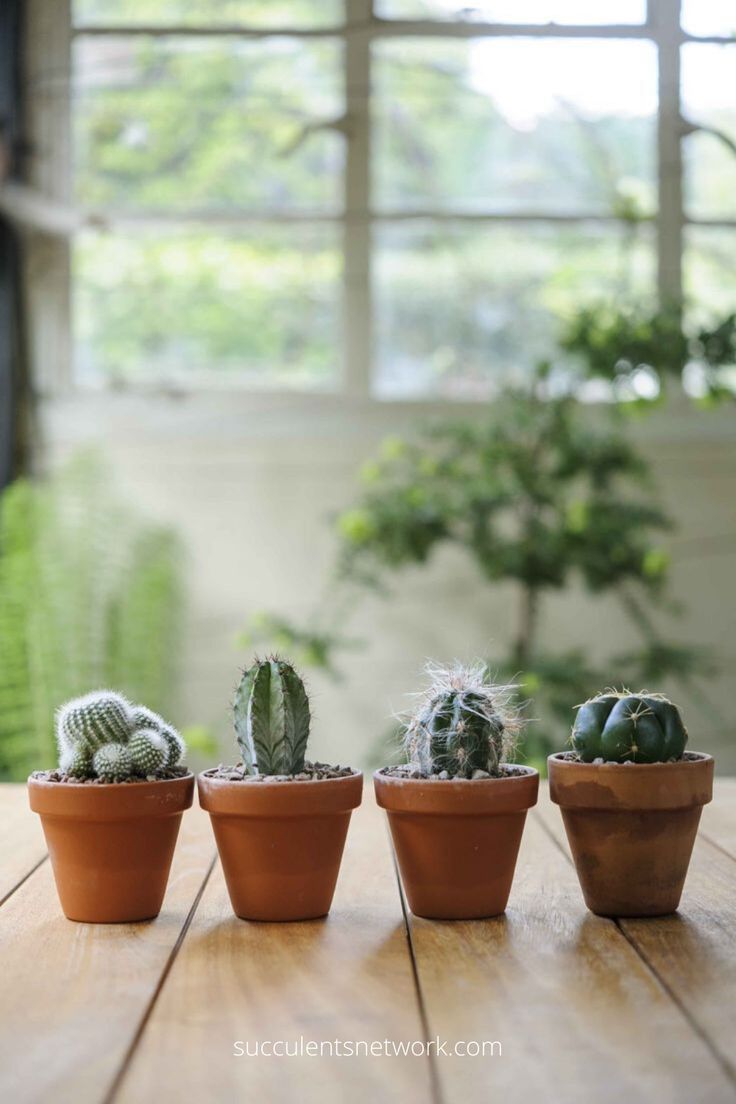
One of the joys of creating a cactus terrarium is wandering through the kaleidoscopic realm of cactus varieties. From the tiny button cactus (Mammillaria) to the elegant Easter cactus (Hatiora), the diversity is astounding. Beginners should consider slow-growing, compact varieties that won’t outgrow the container too quickly. Combining different cactus species creates textural contrast—think spiny globes juxtaposed with soft pads. Some popular choices include Echinopsis, Parodia, Gymnocalycium, and Rebutia. Remember, each cactus has discrete light and watering needs; grouping species with similar requirements ensures harmonious growth over time.
Mastering the Art of Layering: The Secret to Terrarium Success
Creating the layered substrate is both practical and visually captivating. The bottom layer should be coarse gravel or small pebbles, serving as a drainage bed to prevent water from stagnating around the roots. Next comes a charcoal layer—a subtle but crucial addition to inhibit mold and filter water impurities. Following the charcoal is a layer of cactus-specific soil mix, usually a blend emphasizing gritty, well-draining materials such as sand, perlite, and a touch of organic matter. This stratification mimics the cactus’s natural environment, facilitating air circulation and preventing root demise. The layering is not just functional; when done with attention to detail, it becomes an aesthetic showcase visible through the glass sides of the terrarium.
Planting Your Cacti: Techniques for Thriving Growth
Once the substrate layers are artfully assembled, it’s time to gently introduce your cacti. Use tweezers or gloves to avoid their tricky spines. Create small pockets or well-defined holes in the soil, gently nestling each plant within, ensuring roots are well-covered but the base of each cactus is kept dry to prevent rot. Provide ample spacing between cacti; this not only allows room for growth but also avoids competition for nutrients and minimizes disease transmission. Adding decorative elements such as small stones, dried moss, or miniature desert figurines can enhance the visual narrative, transforming your terrarium into a tiny desert tableau.
Watering Wisdom: Balancing Hydration in an Arid Ecosystem
Watering is where novice terrarium builders often falter. Cacti are desert specialists thriving on minimal moisture. Overwatering is the primary cause of cactus mortality in terrariums. Water sparingly—once every two to three weeks during growing seasons and even less in dormancy. The soil should be completely dry before watering again. Utilize a spray bottle or a syringe for precise moisture application at the base of the plants, minimizing water contact with the cactus body. Remember, the open nature of your terrarium facilitates evaporation, but still resist the temptation to overindulge. Patience and keen observation are paramount.
Lighting Essentials for a Radiant Terrarium
Light is the lifeblood of cacti; without adequate illumination, these resilient plants lose their vibrant colors and become leggy. Place your terrarium in a bright, sun-drenched spot—south or west-facing windows are often ideal. A location with indirect but strong natural light is best, preventing scorching while providing sufficient photosynthetic energy. For indoor spaces lacking ample sunlight, investing in specialized grow lights with full-spectrum output can replicate the desert sun, promoting robust, healthy growth. Rotate your terrarium regularly to ensure even exposure to light, helping maintain balanced plant development.
Maintaining Your Cactus Terrarium: Routine Care and Troubleshooting
Building a terrarium is just the beginning; ongoing care sustains this miniature ecosystem. Monitor for pests such as mealybugs or spider mites, which, though less common in dry setups, can occasionally surface. Remove debris and spent flowers to maintain cleanliness. Rejuvenate soil layers every couple of years to replenish nutrients and refresh substrate texture. Watch for signs of overwatering—yellowing or mushy stems—and adjust care accordingly. If a cactus begins to outgrow the container, consider gentle pruning or transplanting to a separate pot, preserving the harmony inside your glass world.
Creative Variations and Personal Touches
Once comfortable with the basics, experiment with design elements such as color accents, pebble mosaics, or themed terrariums incorporating succulent allies like echeverias or haworthias. Playing with container shapes and heights introduces architectural intrigue. Incorporate natural curiosities like driftwood, polished stones, or crystals to personalize your creation. Cactus terrariums are an endlessly rewarding fusion of horticulture and creativity, allowing your personality to flourish alongside your plants.
Making a cactus terrarium is not just about assembling plants in a glass container; it’s about nurturing a living slice of the desert, a timeless sanctuary of resilience and beauty. With guidance, care, and passion, your terrarium will thrive—inviting joy and wonder into your everyday environment.
FAQ
What materials do I need to create a cactus terrarium?
You will need a glass container, drainage materials like gravel, charcoal, cactus soil mix, and your chosen cacti.
How often should I water my cactus terrarium?
Water sparingly, about once every two to three weeks during the growing season, and less during dormancy.
Can I use different types of cacti in one terrarium?
Yes, but ensure they have similar light and watering needs for harmonious growth.
Leave a Reply