
Short Answer
In the vast, sun-scorched expanses of the world’s deserts, where life clings to existence with remarkable tenacity, the humble cactus stands as a symbol of resilience. These spiky sentinels, often overlooked in favor of flashier flora, are not merely survivors—they are architects of their environment, shaping the very soil beneath them. The relationship between cactus roots and soil health is a masterclass in symbiosis, a silent pact between plant and earth that sustains entire ecosystems. To understand this bond is to glimpse the hidden architecture of desert survival, where every root, every grain of sand, plays a role in a grander ecological narrative.
The Silent Symphony of Roots Beneath the Sands
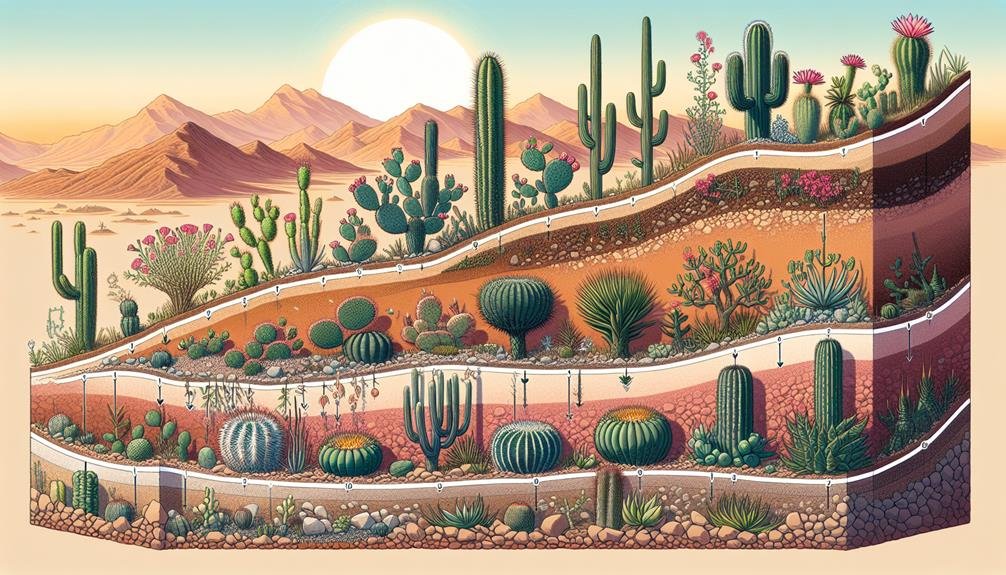
Beneath the arid surface, a cactus’s root system unfolds like an intricate labyrinth, a network of subterranean threads that stretch far beyond the plant’s visible form. Unlike the shallow, sprawling roots of many plants, cacti often develop deep taproots that plunge into the earth, anchoring them against the merciless desert winds. But their genius lies in adaptability. Some species, like the saguaro, boast extensive lateral roots that fan out just below the surface, capturing the fleeting moisture of rare desert rains before it vanishes into the parched ground. This dual strategy—depth and breadth—ensures that no drop of water is wasted, a testament to nature’s frugality in the face of scarcity.
These roots do more than anchor; they transform. As they grow, they secrete organic compounds that bind soil particles together, creating microhabitats where microbes thrive. This microbial activity enriches the soil, breaking down organic matter and releasing nutrients that feed not just the cactus, but the entire desert community. In this way, the cactus becomes a keystone species, its roots acting as a living bridge between the plant and the soil, fostering an ecosystem that would otherwise struggle to exist.
The Alchemy of Soil and Spine: How Cacti Engineer Their Environment
Desert soils are often dismissed as barren wastelands, but beneath their cracked surfaces lies a dynamic world of mineral and microbial interplay. Cacti, with their roots, act as unintentional soil engineers. As they absorb water, they also draw up dissolved minerals, which are later deposited back into the soil when the plant sheds leaves or dies. This cyclical process enriches the substrate, making it more fertile over time. Moreover, the roots’ physical presence disrupts soil compaction, allowing air and water to penetrate deeper layers—a critical function in soils that might otherwise become impermeable.
Consider the creosote bush, another desert dweller that shares this soil-enriching trait. Where cacti and shrubs coexist, their roots form a subterranean network that retains moisture and prevents erosion. This underground collaboration creates pockets of fertility, where even the most delicate seedlings can take root. The result? A patchwork of microclimates within the desert, each supporting a different cast of characters—from hardy grasses to fleeting wildflowers. The cactus, in its quiet way, is a co-creator of life in the most inhospitable of places.
The Root of Resilience: Adaptations That Defy Drought
To survive in the desert, a plant must be a master of patience and precision. Cacti have evolved a suite of root adaptations that allow them to endure months—or even years—without water. Some species, like the barrel cactus, store water in their fleshy stems, while their roots contract to draw moisture from the soil with surgical efficiency. Others, such as the prickly pear, develop shallow, widespread roots that can absorb water from the briefest of showers, then retract to avoid desiccation. This dynamic root behavior is a dance of survival, where the plant’s survival hinges on its ability to respond to the desert’s mercurial whims.
But resilience isn’t just about water retention—it’s about soil interaction. The roots of certain cacti, like the cholla, are covered in tiny, hair-like structures that increase surface area, enhancing water absorption. These roots also secrete mucilage, a slimy substance that helps retain moisture and fosters beneficial microbial colonies. In essence, the cactus doesn’t just tolerate its environment; it reshapes it, turning hostile terrain into a nurturing cradle for growth. This adaptability is why cacti dominate desert landscapes, their roots a silent testament to nature’s ingenuity.
From Roots to Canopy: The Ripple Effect of Soil Health
The influence of cactus roots extends far beyond the individual plant. Healthy soil, enriched by these subterranean networks, becomes a foundation for entire food webs. Insects, rodents, and birds rely on the nutrients and shelter provided by cactus-stabilized soils. Even larger animals, like desert tortoises, benefit from the increased plant diversity that thrives in these enriched patches. The cactus, in this way, is a linchpin of desert biodiversity—a single species whose presence reverberates through the ecosystem.
Moreover, the soil’s improved structure aids in water retention, reducing runoff and allowing rain to seep deeper into the earth. This not only benefits the cactus but also supports the growth of other drought-resistant plants. Over time, these interactions create a feedback loop: healthier soil fosters more plant life, which in turn further enriches the soil. It’s a virtuous cycle, one that underscores the interconnectedness of desert life. Without cacti, this delicate balance could unravel, leaving the desert a harsher, less hospitable place.
The Hidden Complexity of Desert Soils
Desert soils are often perceived as homogeneous, but they are anything but. Beneath the surface, layers of sediment, organic matter, and mineral deposits create a mosaic of microenvironments. Cactus roots navigate this complexity with ease, tapping into moisture reserves that other plants cannot reach. Their ability to exploit these niches ensures that they—and the soil they inhabit—remain vibrant even in the face of extreme conditions. This adaptability is a reminder that deserts, far from being lifeless, are teeming with unseen activity.
Scientists have long marveled at the resilience of desert ecosystems, but it’s the cactus’s roots that hold the key to this mystery. By studying their interactions with soil, researchers have uncovered principles of sustainability that could inform agriculture in arid regions. The cactus teaches us that survival isn’t about brute strength—it’s about harmony, about working with the land rather than against it. In a world where water scarcity looms large, these lessons are more valuable than ever.
A Call to Observe the Unseen
The next time you encounter a cactus in the wild, resist the urge to see it as just another spiky oddity. Look closer. Notice the way its roots spread beneath the sand, the way the soil around it seems richer, more alive. This is the hidden world of desert ecology, where every root, every grain of soil, tells a story of adaptation and resilience. The cactus is more than a plant—it’s a testament to nature’s ability to thrive against the odds, a living reminder that even in the harshest environments, life finds a way.
Soil health isn’t just about dirt. It’s about connection. It’s about the unseen threads that bind a desert together, and the cactus, with its intricate root system, is one of the most vital of those threads. To understand this is to glimpse the poetry of the desert—a place where survival is written not in bold strokes, but in the delicate, enduring lines of a root’s journey into the earth.
FAQ
Why are cactus roots important for soil health?
Cactus roots play a vital role in enriching soil by binding particles together, capturing moisture, and fostering microbial life, which benefits the entire ecosystem.
How do cactus roots adapt to desert conditions?
Cacti have evolved deep taproots and extensive lateral roots to maximize water absorption and survive in arid environments.


Leave a Reply