
Short Answer
Imagine a world where deserts bloom in silence, where the spiny sentinels of arid landscapes defy the odds to reproduce. Cacti, those stoic guardians of the sunbaked earth, have evolved a secret language of pollination—one that whispers through the night, carried by creatures most of us rarely notice. Yet, what if you could step into this hidden dialogue? What if you could become the unseen hand that bridges the gap between flower and seed, unlocking the next generation of these resilient plants? Hand-pollinating cacti isn’t just a gardening trick; it’s a rebellion against the whims of nature, a way to ensure the survival of species that have thrived for millennia. It’s time to redefine your relationship with these prickly wonders.
The Silent Seduction: How Cacti Lure Their Pollinators
Cacti are the original masters of seduction in the plant kingdom, deploying a dazzling array of tactics to attract their unsuspecting partners. Unlike the fragrant blooms of roses or the vibrant hues of tulips, many cacti rely on the cover of darkness, their flowers unfurling only when the sun dips below the horizon. These nocturnal blossoms emit a musky, almost intoxicating fragrance that drifts on the evening breeze, beckoning moths, bats, and even bees that have adapted to twilight foraging. The flowers themselves are architectural marvels—petals unfurling like the wings of a nocturnal predator, their stamens dusted with pollen that clings like gold to the visitors’ bodies. Some species, like the saguaro, even synchronize their flowering with the lunar cycle, a phenomenon known as photoperiodism, ensuring their pollen reaches receptive stigmas under the glow of a full moon. To hand-pollinate, you must first understand this silent language of scent and timing, for the best results come when you mimic the natural rhythms of these desert Casanovas.

The diurnal cacti, those that bloom in daylight, are no less cunning. Their flowers, often a riot of reds, pinks, or yellows, are designed to catch the eye of bees and hummingbirds. The tubular shapes of many species, like the prickly pear, are perfectly adapted to the feeding habits of their pollinators, ensuring that as they sip nectar, their bodies brush against the pollen-laden anthers. Yet, even in these sunlit displays, the stakes are high. A single misstep—a delayed pollination, a missed visitor—and the flower’s chance to reproduce slips away like sand through fingers. Hand-pollination grants you the power to intervene, to ensure that no opportunity is squandered.
The Tools of the Trade: Gearing Up for a Pollination Heist
Before you embark on this botanical caper, you’ll need an arsenal of precision tools. Forget the crude methods of brushing pollen with your fingers; this is a job for finesse. A soft-bristled paintbrush or a makeup brush with fine, synthetic bristles is your primary weapon. The bristles should be just stiff enough to pick up pollen but gentle enough not to damage the delicate reproductive structures. A pair of tweezers can also be invaluable for transferring pollen from one flower to another, especially in species with tightly packed stamens. Don’t underestimate the power of a magnifying glass—it’s not just for detectives. A handheld lens will help you inspect the flower’s anatomy, ensuring you’re targeting the right parts. And, of course, a steady hand and a patient demeanor are non-negotiable. This isn’t a task for the hasty or the squeamish; it’s a dance, and every step must be deliberate.
Timing is everything. The ideal window for hand-pollination is when the flower is fully open and its stigma is receptive—usually within the first 24 to 48 hours of blooming. Check your cacti daily during flowering season, and be prepared to act at a moment’s notice. The best time of day? Early morning, when the flowers are fresh and the air is cool. Avoid pollinating in the heat of the afternoon, when the flowers may already be wilting or their pollen may have dried out. Think of it as a botanical heist: the right tools, the perfect moment, and a flawless execution.
The Art of the Transfer: A Step-by-Step Guide to Hand-Pollination
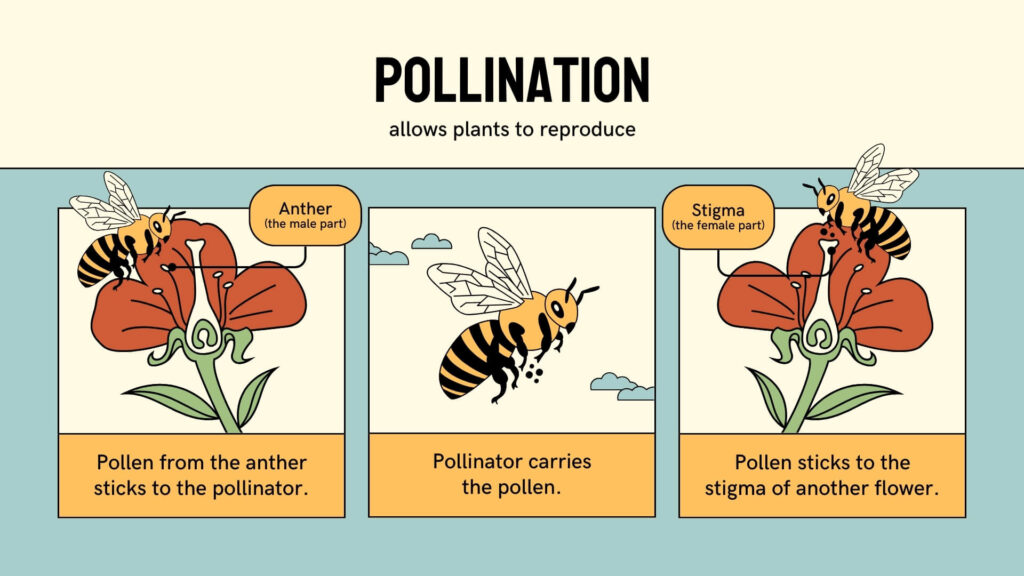
Now, the moment you’ve been waiting for—the transfer. Begin by identifying a mature flower on your cactus, one that’s fully unfurled and showing no signs of wilting. Gently tap the anthers (the pollen-producing parts) with your brush or tweezers to collect the pollen. The pollen should appear as a fine, powdery dust, often yellow or orange in color. If the flower is from a different cactus, transfer this pollen to the stigma of another flower—preferably one on a separate plant to encourage genetic diversity. The stigma is the flower’s receptive surface, often located at the top of the pistil, and it may be sticky or feathery to better capture pollen.
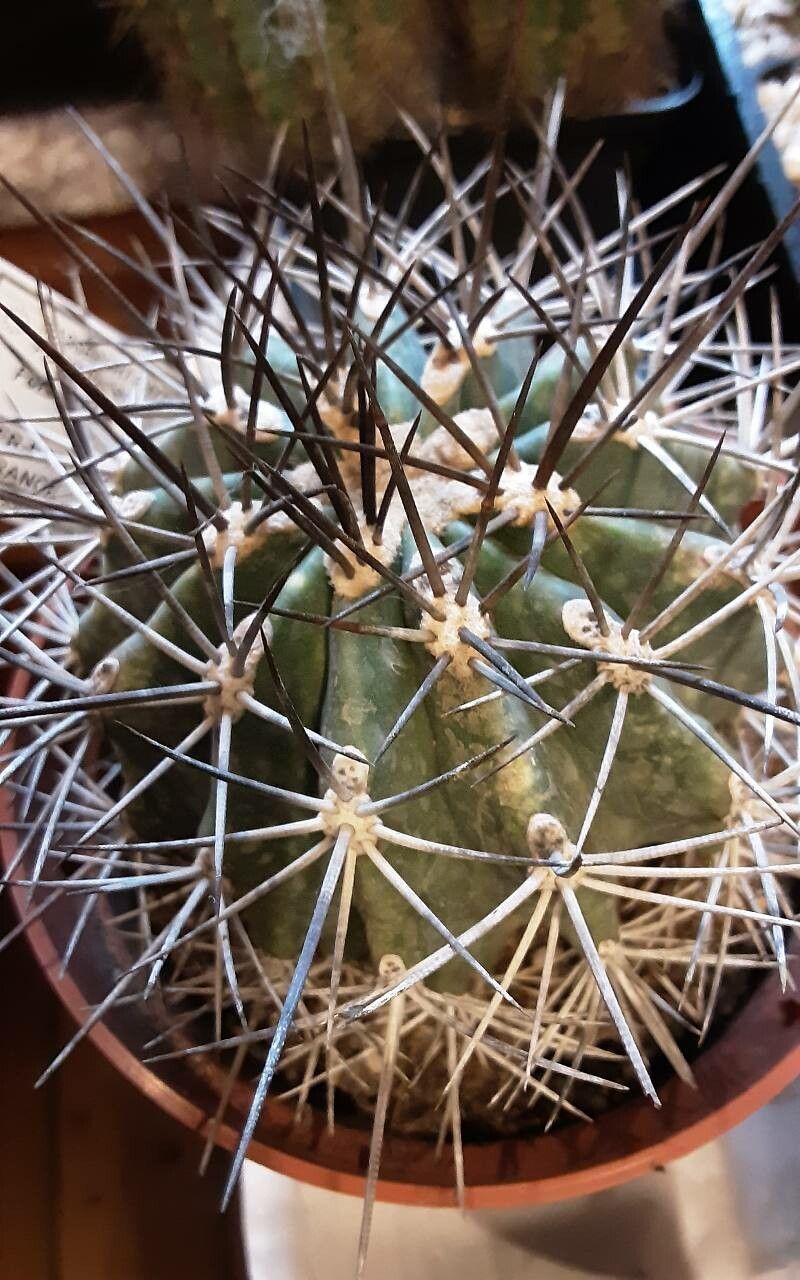
Here’s where the magic happens: as you deposit the pollen onto the stigma, imagine the genetic code of your cactus merging with another, creating a new lineage. Press the pollen gently but firmly, ensuring it adheres. If you’re working with a species that has separate male and female flowers, like the Gymnocalycium, you’ll need to pollinate the female flower with pollen from a male flower on a different plant. It’s a meticulous process, but the rewards are worth it—a future generation of cacti, each one a testament to your intervention.
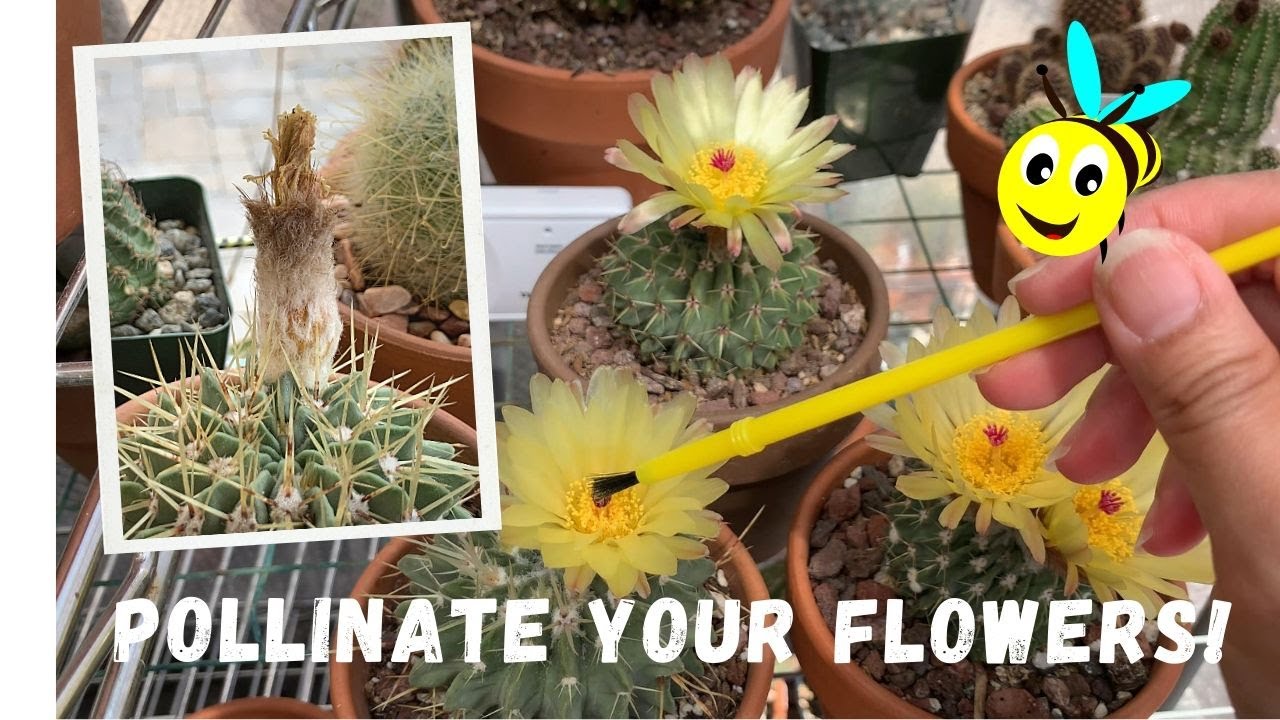
Don’t be discouraged if your first attempts don’t yield immediate results. Some cacti require multiple pollination attempts before the stigma fully accepts the pollen. Keep at it, and monitor the flower over the coming days. If successful, you’ll notice the petals beginning to wilt and the ovary at the base of the flower swelling—a sign that fertilization has occurred. This swelling will eventually develop into a fruit, and within that fruit lie the seeds of your labor. Patience is your greatest ally here; cacti are slow growers, and the journey from flower to seedling can take months, even years.
The Aftermath: Nurturing the Seeds of Your Labor
Once your cactus has been successfully pollinated, the real work begins. The fruit that forms will ripen over several weeks, its color shifting from green to red, yellow, or even a deep purple, depending on the species. When the fruit is plump and slightly soft to the touch, it’s ready to harvest. Cut it open carefully, extracting the seeds embedded in the pulp. Rinse the seeds in water to remove any remaining fruit residue, then spread them out on a paper towel to dry. Once dry, store them in a cool, dark place until you’re ready to plant them.
Germinating cactus seeds is a test of endurance. Unlike many plants, cacti require specific conditions to sprout. A well-draining soil mix, high humidity, and consistent warmth are non-negotiable. Many growers use a humidity dome or a plastic bag to create a mini greenhouse effect, misting the soil lightly to keep it moist but not soggy. Place the container in a warm spot, ideally between 70°F and 85°F (21°C to 29°C), and wait. Germination can take anywhere from a few days to several months, depending on the species. Some, like the Echinocactus, may take years to emerge from their seeds. It’s a waiting game, but the sight of a tiny green sprout breaking through the soil is a reward like no other.
As your seedlings grow, gradually acclimate them to lower humidity and brighter light. Cacti are sun-worshippers, and while they start life in the shelter of a greenhouse or under grow lights, they’ll eventually need full sun to thrive. Be vigilant against pests and overwatering—two of the most common pitfalls for new cactus growers. Remember, these plants are survivors, adapted to endure drought and scorching heat. Your role is to provide the right conditions, not to coddle them.
Why Hand-Pollination Changes Everything
Hand-pollination isn’t just about growing more cacti; it’s about taking control of their future. In the wild, cacti face threats from habitat destruction, climate change, and the decline of their natural pollinators. By hand-pollinating, you’re not just a gardener—you’re a conservationist, a genetic archivist, and a steward of biodiversity. Each seed you produce is a potential lifeline for a species struggling to adapt. It’s a small act with enormous implications, a way to ensure that the silent seduction of cacti continues for generations to come.
Moreover, hand-pollination allows you to experiment. Want to create a hybrid cactus with traits from two different species? Go for it. Curious about how a particular variety will respond to your local climate? Test it. This is your chance to become a cactus breeder, to shape the evolution of these plants in ways that nature never intended. The possibilities are as vast as the desert sky, and the only limit is your imagination.
So, the next time you see a cactus in bloom, don’t just admire its beauty. Ask yourself: What if I could be the one to ensure its legacy? With a paintbrush, a steady hand, and a little patience, you can. The desert is waiting. The flowers are ready. All that’s left is for you to step in and play your part.
FAQ
How long does it take for cactus seeds to germinate?
Germination can take anywhere from a few days to several months, depending on the cactus species.
What conditions do cactus seeds require to sprout?
Cactus seeds need well-draining soil, high humidity, and consistent warmth to germinate.



Leave a Reply