
Short Answer
In the ever-evolving landscape of architecture and sustainable design, nature often offers the most profound blueprints. Among the natural world’s myriad inspirations, cacti stand as silent sentinels of survival—epitomes of resilience and efficiency shaped by millennia of harsh desert existence. These succulents, seemingly austere and minimalistic, harbor boundless lessons that transcend their prickly exterior. Like green fortresses etched by nature’s hand, cacti inspire a unique architectural philosophy where sustainability, form, and function converge elegantly. This exploration delves into how the idiosyncratic features of cacti inspire groundbreaking sustainable design and visionary architecture, illuminating innovative approaches that marry ecological wisdom with modern creativity.
The Biomimicry of Cacti: Nature’s Masterclass in Efficiency
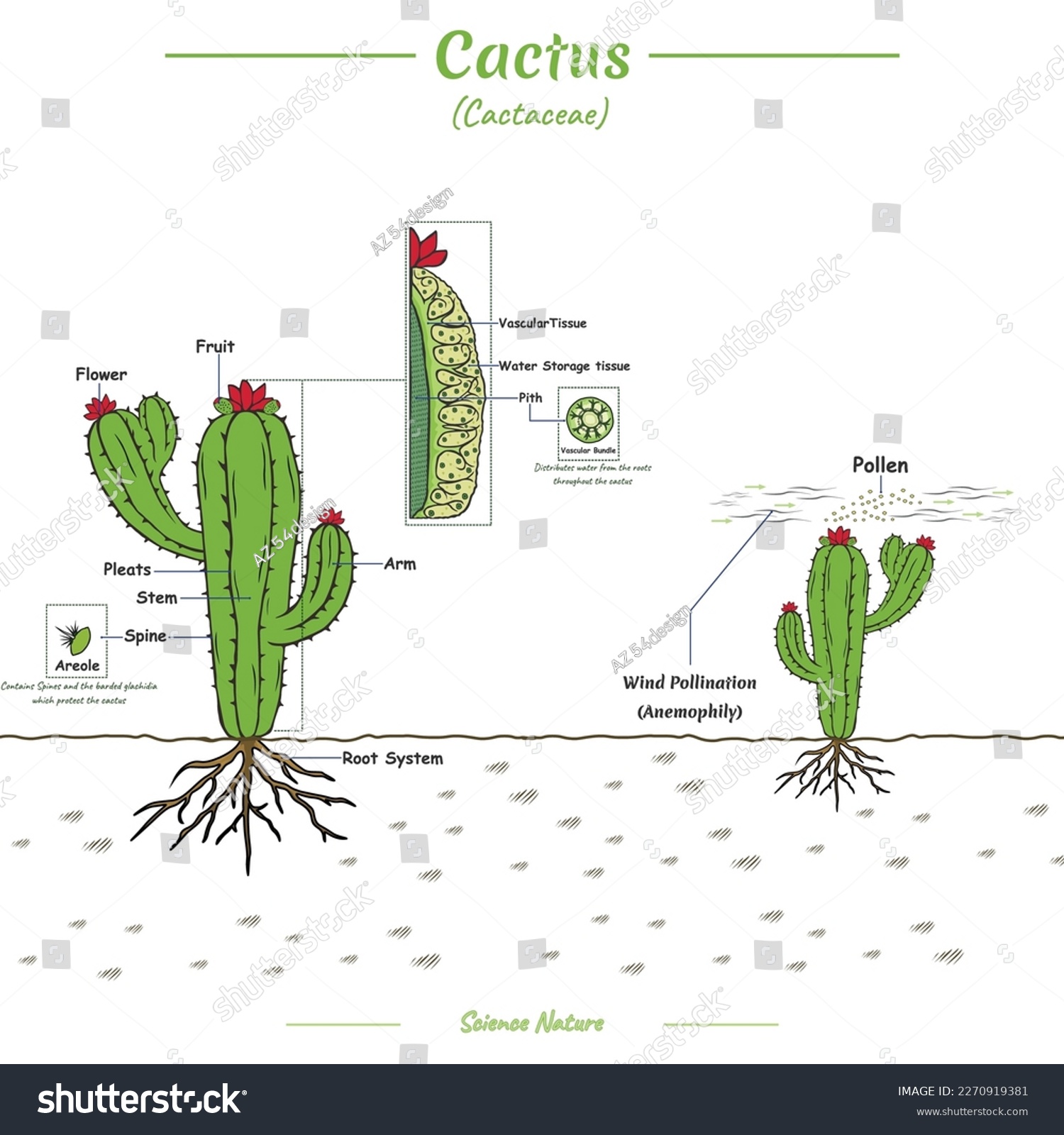
Cacti are veritable paragons of biomimicry—nature’s prototypical engineers who have perfected survival tactics that architects eagerly emulate. Their thick, fleshy stems function as water reservoirs, storing precious resources during drought. This principle informs the integration of adaptive water-management systems within buildings, reducing reliance on external supplies and fostering self-sufficiency in arid environments.
Moreover, the ribbed, accordion-like geometry of a cactus stem is a marvel of structural adaptability, allowing expansion when water is abundant and contraction during scarcity. This dynamic form inspires kinetic architectural elements—facades and shells that flex and breathe in response to climatic conditions, optimizing energy use and enhancing occupant comfort. Such responsive designs underscore a shift from static edifices to living, breathing habitats that mimic cactus physiology’s harmony with nature.

Organic Geometry: Lines and Forms Sculpted by Nature
The alluring architectural vocabulary of cacti is penned in lines and forms that echo the desert’s stories — verticality interrupted by geometrical undulations, spines becoming shading devices, and symmetries that merge aesthetics with pragmatism. This organic geometry invites architects to look beyond conventional rectilinear volumes, embracing fluid, biomorphic shapes that reduce material waste and maximize structural integrity.
Using cacti as metaphoric scaffolding, designers craft facades embedded with shading spines or ribs that deflect solar radiation and cool interiors naturally. This dynamic interplay of light and shadow animates structures, imparting an ever-shifting visual rhythm. It’s an architectural ballet choreographed by nature’s own hand—celebrating minimalism with maximum effect, where every line serves a choreographed function as well as form.

Resilience Embodied: Sustainable Adaptations in Design
Resilience is the heartbeat of all sustainable design, and cacti offer a vivid embodiment of endurance through elegant simplicity. Their spines protect against herbivores and minimize water loss by diffusing airflow. This microclimatic control inspires advanced façade technologies that reduce heat gain and improve thermal regulation without heavy energy consumption.
Furthermore, cacti thrive on minimal nutrient input and poor soils, challenging architects to reconsider resource-intensive construction. This mindset fuels the growing use of recycled, low-impact materials and modular construction techniques that mimic the cactus’s sparing yet robust constitution. The outcome is structures that endure, adapt, and regenerate—reducing ecological footprint while enhancing longevity.
Sustainable Landscapes: Integrating Cacti in Ecological Urbanism
Cacti are not merely structural muses—they are vital components in sustainable landscape design, dovetailing aesthetic appeal with ecological function. Their drought tolerance and low maintenance make them ideal for xeriscaping, a landscaping method that conserves water and fosters biodiversity. Embedding cacti gardens within urban spaces introduces striking yet sustainable green pockets that reconnect cities with arid-adapted biomes.
Incorporating cacti into green roofs and vertical gardens leverages their ability to withstand evaporation and heat stress, contributing to urban cooling and stormwater management. Such strategic placements underscore an integrative approach to ecological urbanism where indigenous flora becomes an architectural ally, enriching human environments while healing the planet.

Future Horizons: Cacti-Inspired Architecture Beyond Earth
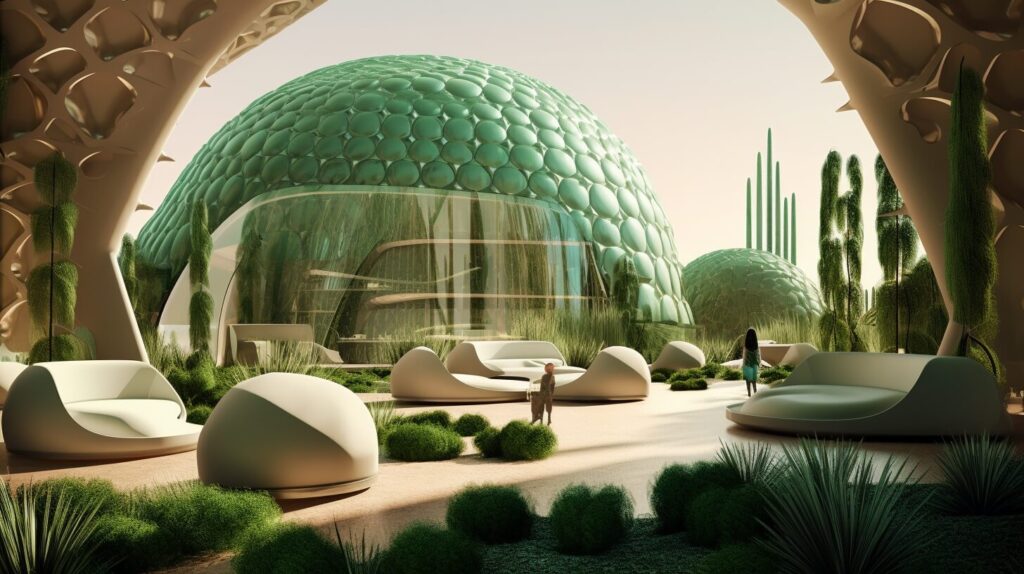
Venturing beyond terrestrial confines, the futuristic vision of habitat design on mars stirs with cacti’s adaptive ethos. In environments where scarcity and extremes are the norm, cacti-inspired morphology shapes habitat modules that optimize space, shield from radiation, and conserve resources. These “habitable cacti” establish a paradigmatic shift—from domination over nature to symbiotic habitation.
Their sculptural forms suggest not only biological inspiration but also psychological refuge—structures resembling cacti promise shelter and familiarity in alien landscapes. Here, the cactus functions as an enigmatic metaphor for human perseverance, an anchor of hope in the cosmos. This speculative architecture challenges designers to fuse aesthetics, sustainability, and extraterrestrial adaptability—a synthesis echoing cacti’s profound lessons on resilience and harmony.
In sum, the cactus stands as a magnificent muse for sustainable design and architecture. Its spiny silhouette and succulent core narrate stories of survival, adaptation, and understated elegance—qualities that inspire architectural innovation attuned to environmental exigencies. From biomimetic engineering and organic geometries to resilient materials and ecological landscapes, cacti offer a rich repository of wisdom. As we build into the future, embracing the cactus’s lessons promises to cultivate a built environment both sustainable and soulful—rooted not just in design, but in the enduring poetry of nature itself.
FAQ
What features of cacti are used in sustainable architecture?
Features such as water storage stems, ribbed expandable structures, shading spines, and minimal resource needs inspire sustainable architectural elements.
How do cactus-inspired facades improve building performance?
They flex with climate changes to optimize energy use, provide natural shading, and improve thermal regulation, reducing reliance on mechanical systems.
Why are cacti suitable for sustainable landscaping?
Due to their drought tolerance and low maintenance, cacti conserve water and support biodiversity in urban xeriscaping.




Leave a Reply