
Short Answer
In the arid, sun-scorched expanses of the Chihuahuan Desert, where the earth cracks like parched lips and the wind whispers through skeletal mesquite, a silent drama unfolds. The Lophophora—those enigmatic, button-like cacti—are not merely plants; they are relics of a primordial world, guardians of secrets buried in the soil. Their rarity is not accidental but a carefully orchestrated ballet of biology and bureaucracy, a paradox where nature’s fragility collides with humanity’s voracious appetite. To understand why these cacti are so elusive, one must peer beneath the surface, where growth is a rebellion against the desert’s cruelty, and legality is a cage as constricting as the roots of a century-old oak.
The Desert’s Cruel Embrace: Growth in a Land of Scarcity
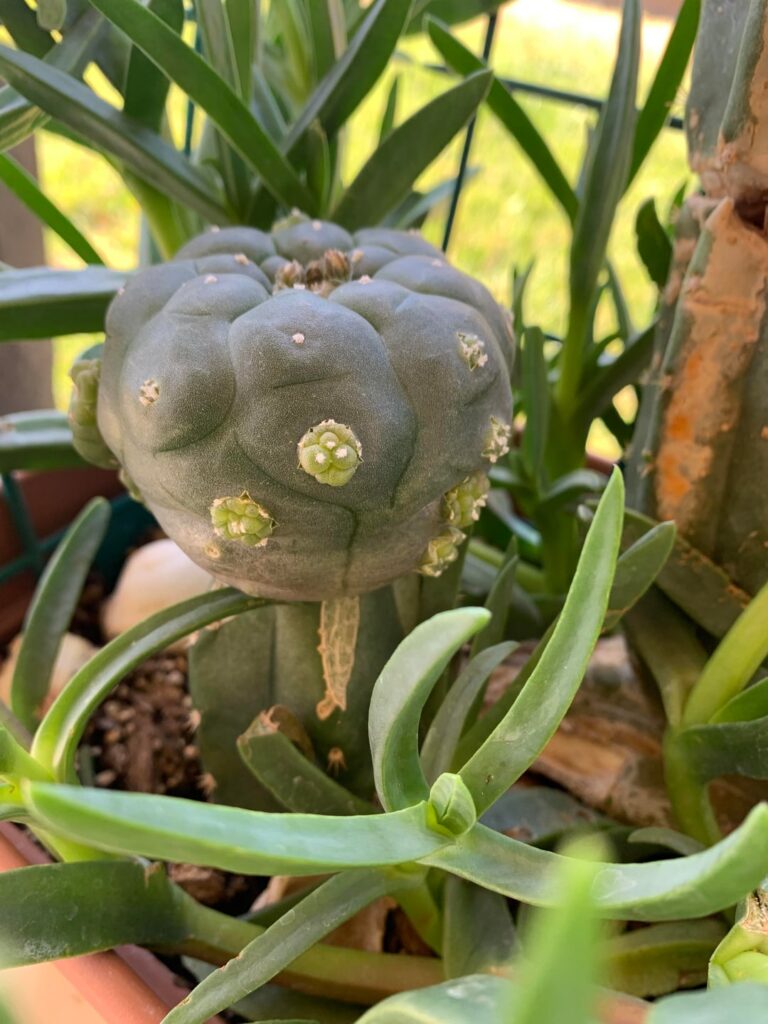
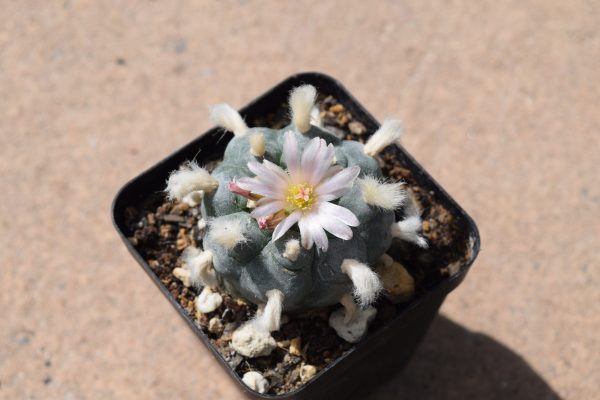
The Lophophora, affectionately dubbed “peyote” by those who revere its psychoactive gifts, is a master of slow seduction. Unlike the aggressive sprawl of prickly pear or the towering defiance of saguaro, it chooses patience over power. A single specimen may take a decade to mature, its growth measured in millimeters, each ring of its ribbed crown a testament to years of silent endurance. The desert does not coddle; it tests. Rainfall is a fickle lover, arriving in torrential bursts before vanishing for months, leaving the soil parched and the cactus shriveled into a leathery husk. Yet, the Lophophora thrives in this adversity, its waxy epidermis a shield against the sun’s merciless gaze, its taproot delving deep into the earth’s hidden veins for moisture.
But scarcity is not its only adversary. The cactus’s very existence is a gamble. A single misstep—a misplaced hoof, a careless hand—can spell its doom. Predators lurk: rabbits that nibble its tender crown, insects that bore into its flesh, and, most insidiously, humans who dig it up with the reverence of grave robbers. The desert’s silence is deceptive; it is a battleground where survival is a daily negotiation, and the Lophophora’s rarity is less a mystery than a survival strategy. It does not flaunt itself. It hides, burrowing into the earth like a hermit crab in a tide pool, waiting for the world to forget it exists.
The Alchemy of Patience: Why Maturation Takes a Lifetime
To witness a Lophophora in full bloom is to witness a miracle of time. The cactus, after decades of subterranean growth, finally pushes forth a crown of delicate pink flowers, their petals unfurling like the fingers of a sleeping child. This is no fleeting spectacle; it is a fleeting rebellion. The flowers last but a single night, their ephemeral beauty a reminder that even in the harshest of environments, life insists on its right to dazzle. Yet, this spectacle is a double-edged sword. It attracts pollinators, yes, but it also draws the attention of those who see the cactus not as a living entity but as a commodity.
The maturation process is a slow-motion tragedy. A Lophophora seed, no larger than a grain of sand, must navigate a gauntlet of obstacles before it can even sprout. The desert’s soil is a minefield of competing roots, of microscopic predators, of sudden deluges that can wash away the tender seedling before it has a chance to take root. Even if it survives, the cactus’s growth is a study in restraint. It does not rush. It does not seek the spotlight. It waits, year after year, for the perfect moment to reveal itself, only to be plucked from the earth by those who do not understand—or do not care—about the centuries it took to get there.
This is the paradox of the Lophophora: its very rarity is a defense mechanism, a way to evade the relentless march of human consumption. But in a world that demands instant gratification, patience is a liability. The cactus’s slow dance with time is both its greatest strength and its fatal flaw.
Legal Labyrinths: The Cage of Regulation
If the desert’s harshness is the first obstacle, the labyrinth of legal restrictions is the second. The Lophophora is not just a plant; it is a cultural artifact, a sacred symbol for Indigenous communities, a pharmacological wonder for modern medicine, and a forbidden fruit for recreational users. This trifecta of significance has turned it into a legal chameleon, shifting definitions and restrictions with the whims of legislators and the moral panics of society.
In the United States, the Lophophora is a Schedule I controlled substance, lumped in with heroin and LSD. This classification, born from the ashes of the War on Drugs, treats the cactus not as a living being but as a threat to public health. Yet, paradoxically, the same plant is legally harvested in Mexico, where it is cultivated for both traditional and commercial purposes. The legal landscape is a patchwork quilt of contradictions, where one border crossing can mean the difference between freedom and imprisonment. This inconsistency does not protect the cactus; it fuels a black market where poachers operate with the same impunity as drug cartels.
The legal restrictions do not stop at national borders. International treaties, such as the Convention on International Trade in Endangered Species (CITES), have placed the Lophophora on Appendix II, a designation that ostensibly protects it from overharvesting but in practice has done little to curb illegal trade. Instead, it has created a bureaucratic nightmare for those who wish to cultivate the cactus legally, forcing them to navigate a labyrinth of permits, inspections, and ethical dilemmas. The irony is palpable: the more the law attempts to control the Lophophora, the more it becomes a commodity, its rarity inflated by the very restrictions meant to preserve it.
The Black Market’s Bloody Harvest: Poaching and Exploitation
Where there is demand, there is exploitation. The Lophophora’s rarity has made it a prized trophy for collectors, its value soaring to astronomical heights on the black market. A single specimen can fetch thousands of dollars, its price driven not by its beauty but by its scarcity. This economic incentive has turned poaching into a lucrative—and dangerous—enterprise. Poachers, often armed and operating in remote desert regions, treat the cactus like a mineral deposit, stripping the land bare with little regard for the ecological damage they cause.
The consequences are devastating. Entire populations of Lophophora have been wiped out in a single season, their roots torn from the earth, their crowns sold to the highest bidder. The desert, already a fragile ecosystem, is left scarred, its wounds slow to heal. Indigenous communities, who have revered the cactus for millennia, find their sacred plants commodified and sold to strangers who will never understand their significance. The black market does not care about tradition, about sustainability, or about the delicate balance of the desert. It cares only about profit, and in its hunger, it devours the Lophophora whole.
Yet, the poachers are not the only villains in this story. The collectors, the hobbyists, the curious thrill-seekers—they all play a role in the cactus’s decline. Each purchase fuels the cycle, each desire for ownership a nail in the coffin of a species already teetering on the edge of extinction. The Lophophora is not just a plant; it is a victim of humanity’s insatiable appetite, a living metaphor for the way we consume the world around us.
Conservation in the Crosshairs: Can the Lophophora Be Saved?
The question lingers like a desert mirage: is there a way to save the Lophophora from the twin threats of ecological fragility and human greed? Conservation efforts have emerged, but they are fraught with challenges. Reintroduction programs, where cultivated specimens are transplanted back into the wild, have shown promise, but success is never guaranteed. The desert does not forgive mistakes. A single season of drought can undo years of careful work, leaving conservationists to watch helplessly as their efforts wither away.
Legal reform is another avenue, but it is a slow and contentious process. Decriminalizing the Lophophora for traditional and medicinal use could reduce the black market’s allure, but it risks opening the floodgates to even greater exploitation. Sustainable cultivation, where the cactus is grown in controlled environments and sold legally, is perhaps the most promising solution. Yet, this too has its pitfalls. The Lophophora’s slow growth makes large-scale cultivation impractical, and the demand for wild-harvested specimens remains high among collectors who prize authenticity above all else.
The path forward is unclear, but one thing is certain: the Lophophora cannot be saved by legislation alone. It requires a shift in consciousness, a recognition that this cactus is more than a commodity or a curiosity. It is a living relic, a bridge between ancient traditions and modern science, a symbol of resilience in a world that has forgotten how to wait. To save the Lophophora is to save a piece of the desert’s soul—and perhaps, in doing so, to save a piece of our own.
FAQ
What makes Lophophora cacti rare in nature?
Their rarity is due to slow growth, difficult desert conditions, and heavy legal restrictions that limit their harvesting and trade.
Why is Lophophora classified as a controlled substance?
Because of its psychoactive alkaloids, especially mescaline, it is regulated to prevent recreational misuse and protect public health.
How does illegal trade affect Lophophora populations?
Illegal trade incentivizes poaching, leading to population declines and ecosystem damage.
Can Lophophora be legally cultivated?
Legal cultivation is highly regulated and typically restricted to traditional or scientific uses, varying by country.
What conservation measures are in place for Lophophora?
Conservation includes habitat protection, cultivation restrictions, and reintroduction efforts, although challenges remain.
Leave a Reply