

Short Answer
The world of agriculture is rapidly evolving, and amidst the vast landscapes of innovation, cactus farming is staking a unique claim on the future of sustainable agriculture. Once regarded simply as a drought-resistant plant of arid regions, cactus is now emerging as a versatile crop with immense potential. Its robustness, coupled with groundbreaking farming technologies and ecological benefits, positions cactus farming as an indispensable frontier for next-generation agribusiness. From novel cultivation techniques to multifaceted product applications, this exploration unveils the compelling trends and innovations redefining cactus farming for tomorrow’s world.
Advancements in Cultivation Techniques
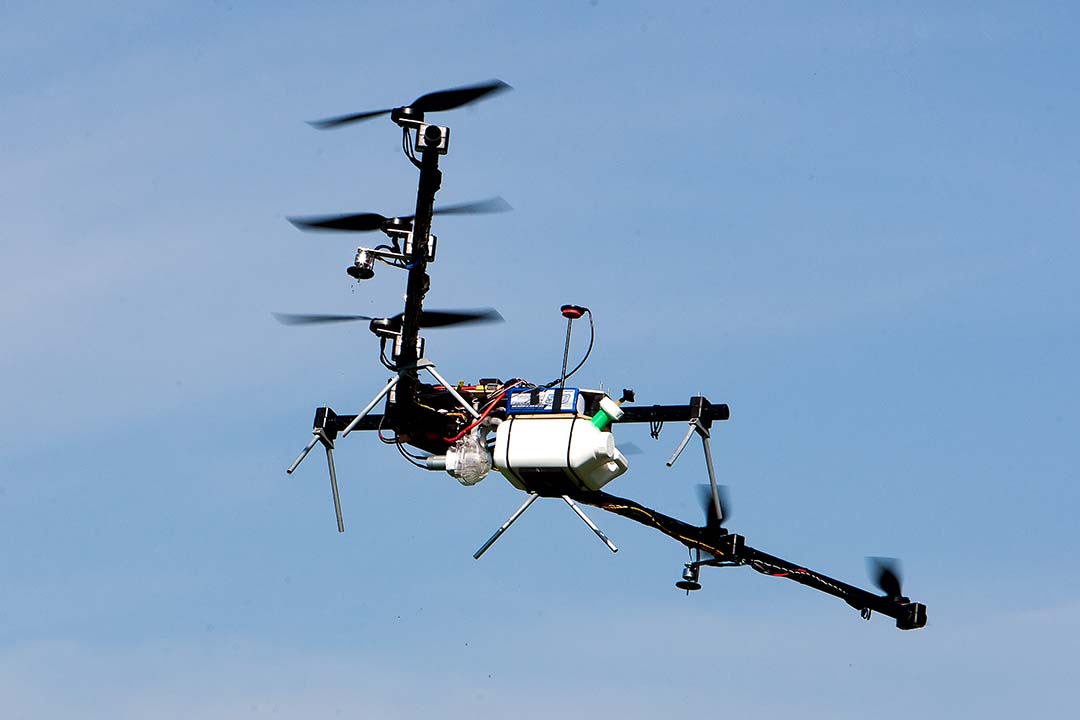
Modern cactus farming is shedding traditional stereotypes, embracing sophisticated agricultural methodologies that optimize yield and quality while conserving vital resources. One transformative approach is the integration of precision agriculture, employing GPS mapping, soil moisture sensors, and drone surveillance to monitor plant health in real time. This permits growers to fine-tune irrigation schedules and nutrient applications with unprecedented accuracy, combating the challenges posed by arid and semiarid environments where cacti thrive.
Moreover, advancements in hydroponic and aeroponic systems are beginning to reshape the way cactus seedlings are propagated. These soil-less methods foster faster growth rates and healthier roots, enabling year-round cultivation independent of weather vagaries. The adoption of such technologies paves the way for scalable indoor and greenhouse cactus farms, expanding the geographical footprint beyond traditional desert ecosystems.
Genetic Innovations and Crop Resilience
The future of cactus farming is intertwined with the renaissance of genetic research. Breeders are now focusing on developing varieties with enhanced drought tolerance, faster maturity cycles, and resistance to common pests and diseases. Molecular breeding techniques and CRISPR gene editing hold the promise of unlocking traits that were previously unattainable, such as increased edible pulp yield or amplified bioactive compounds.
These innovations not only boost productivity but also support ecological sustainability by reducing dependency on chemical pesticides and excessive water usage. As climate unpredictability intensifies, resilient cactus cultivars will become crucial bastions of food security and agricultural stability.
Exploration of Multifunctional Uses
Cacti are no longer confined to the status of niche crops; rather, they are becoming multifunctional agricultural powerhouses. Their uses span food, fodder, pharmaceuticals, cosmetics, and bioenergy, each sector igniting new interest and commercial opportunity.
The prickly pear fruit, for instance, is gaining momentum as a superfood rich in antioxidants, vitamins, and fiber. Juice and pulp extracts are being incorporated into health drinks, jams, and nutraceuticals. Additionally, the cactus pads (nopales) are emerging as nutritious vegetable staples in many diets around the world.
Beyond consumables, cactus-derived mucilage exhibits potent water-retention properties, spurring research into its application as a natural thickening agent and biodegradable packaging alternative. The industry is also exploring cacti as a source of biomass for sustainable biofuel production, leveraging their ability to grow where other energy crops cannot survive, thereby circumventing land-use conflicts.
Sustainable and Regenerative Farming Models
Environmental stewardship is at the heart of cactus farming’s future trajectory. These plants naturally excel at carbon sequestration, soil erosion prevention, and biodiversity support. Innovators are cultivating cacti within regenerative agricultural frameworks that focus on restoring degraded soils and enhancing ecosystem services.
Techniques such as intercropping cactus with legumes or native wildflowers boost soil fertility and foster pollinator populations. Water harvesting systems tailored for cactus plantations capture sporadic rainfall, channeling it effectively to minimize waste. This synergy of natural resilience and human ingenuity crafts a farming model aligned with circular economy principles.
Digital Transformation and Smart Farming Integration
The digital era is infusing cactus farming with newfound precision and connectivity. Internet of Things (IoT) devices, combined with machine learning algorithms, now enable predictive analytics that anticipate irrigation needs, pest outbreaks, and harvest timings. Automated irrigation systems linked to weather sensors ensure cactus crops receive just the right amount of water, reducing resource misuse and maximizing plant health.
Moreover, blockchain technology is making inroads, fostering transparent supply chains and certifying organic or fair-trade cactus products, which enhance consumer confidence and marketability. This digital integration is not just about efficiency; it is about cultivating an interconnected farming ecosystem that supports data-driven decision making and traceability from seed to market.
Community-Driven Innovations and Indigenous Knowledge
At the confluence of tradition and modernity, community-driven initiatives are rejuvenating cactus farming. Indigenous peoples and local farmers, custodians of generational wisdom on cactus cultivation and usage, are partnering with scientists to co-create innovations. This inclusive approach preserves cultural heritage while introducing adaptive strategies suitable for contemporary challenges.
Participatory research projects place emphasis on equitable knowledge exchange, empowering rural communities with new technologies and market access. Such collaborations invigorate social sustainability, ensuring that the economic benefits of cactus farming are shared broadly.
Emerging Markets and Economic Potential
As consumer awareness of environmental and health issues intensifies, cactus-based products are capturing new markets globally. The intersection of superfood trends and green consumerism has placed cacti at a commercial advantage. Startups and established enterprises alike are investing in cactus cultivation for high-value applications, including functional foods, organic skincare, and eco-friendly materials.
Export opportunities are expanding, especially from arid regions in Latin America, Africa, and the Middle East. By harnessing innovative logistics and cold chain technologies, fresh and processed cactus goods reach international shelves, creating sustainable livelihoods and invigorating rural economies.
The future of cactus farming gleams with promise and ingenuity. With its blend of ancient resilience and cutting-edge technology, cactus cultivation is poised to become a paradigm for sustainable, profitable, and environmentally harmonious agriculture. As new pathways unfold—from genetic breakthroughs to smart farming, and diverse product avenues—this once-underestimated crop is rapidly transforming into a cornerstone of the agricultural revolution.
FAQ
What are the latest innovations in cactus farming?
Innovations include precision agriculture with GPS and sensors, hydroponic and aeroponic propagation, genetic breeding with CRISPR, multifunctional product uses, digital smart farming, and sustainable regenerative models.
How does cactus farming contribute to sustainability?
Cacti excel in carbon sequestration, soil erosion prevention, and biodiversity support, with water-efficient farming techniques and regenerative agriculture promoting ecological balance.
What are the multifunctional uses of cacti?
Cacti are used for food (fruits and pads), pharmaceuticals, cosmetics, bioenergy, natural thickening agents, and biodegradable packaging alternatives.
How is technology integrated into modern cactus farming?
Technologies such as IoT devices, machine learning, automated irrigation, drone surveillance, and blockchain for supply chain transparency are transforming cactus farming.
What role do indigenous communities play in cactus farming innovations?
Indigenous peoples contribute generational knowledge and collaborate with scientists in participatory projects to co-create sustainable farming practices and share economic benefits.




Leave a Reply