
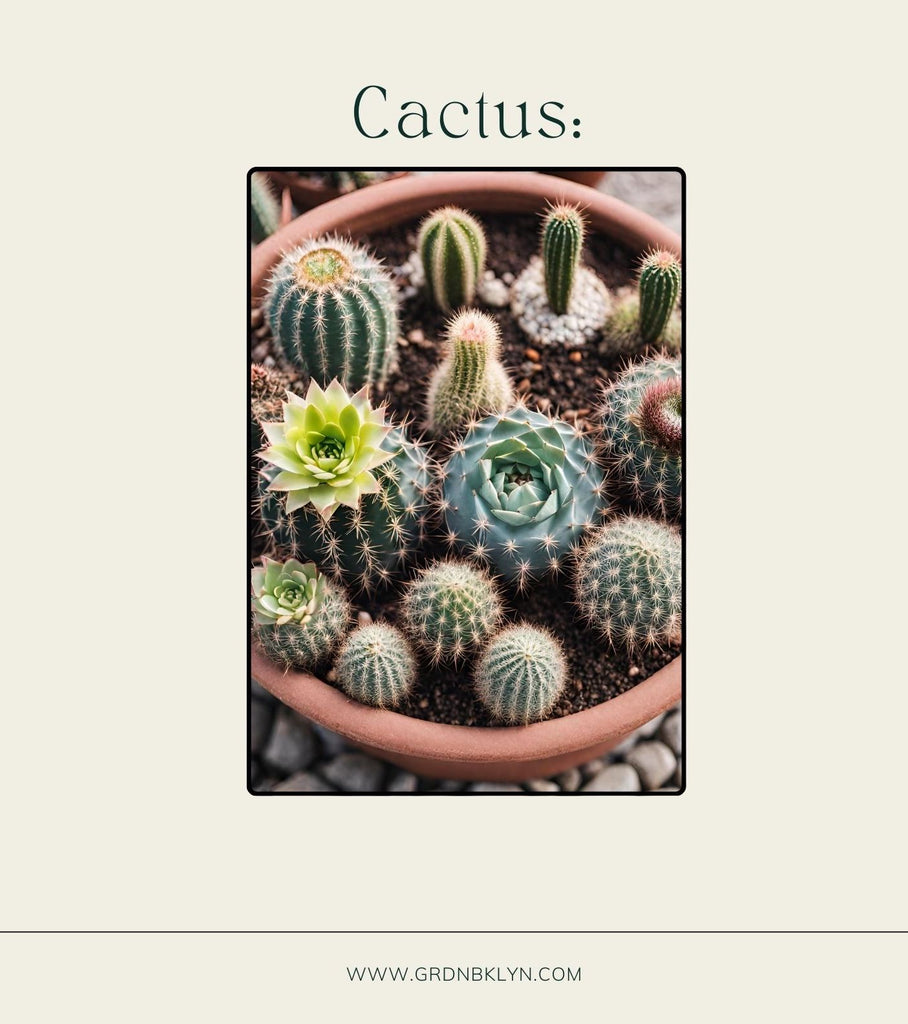
Short Answer
Have you ever wondered what secrets lie behind the stoic charm of a cactus? How do these spiky marvels manage to thrive in some of the harshest conditions on Earth, yet often seem tricky to nurture indoors? If you’ve ever eyed a cactus on a store shelf and hesitated, wondering whether you’d unintentionally turn it into a desert casualty, this guide is your ultimate companion. Embrace the challenge, and let’s dive into the intriguing world of cactus care — a journey where patience meets precision and rewards bloom in the most unexpected ways.
Understanding the Diverse World of Cacti
Cacti are not just your average houseplants; they are botanical wonders that hail primarily from arid and semi-arid regions, showcasing an astonishing diversity of shapes, sizes, and survival strategies. Before plunging into care routines, it’s essential to appreciate the incredible adaptability cacti have developed. From the barrel-shaped Echinocactus to the iconic towering Carnegiea gigantea (Saguaro), these plants have evolved fascinating features such as fleshy stems for water storage, reduced leaves to minimize water loss, and protective spines that ward off herbivores.
Recognizing the species or at least the general type you own can significantly influence your approach. Some cacti flourish in cooler indoor environments; others thrive under more intense sunlight. Let this be your starting point — an understanding that a “one-size-fits-all” strategy won’t apply to your spiky friend.
The Art of Choosing the Right Pot and Soil
Does your cactus feel cramped or suffocated by its container? Choosing an appropriate pot is a silent but vital step. Cacti despise sitting in soggy soil; root rot is their mortal enemy. Therefore, an unglazed terra cotta pot with ample drainage holes is often favored. Its porous nature allows excess moisture to evaporate, maintaining the dry microenvironment cacti crave.

Equally important is the soil choice. Typical garden soil is too dense and retains excessive water. Opt for a specialized cactus or succulent mix that incorporates gritty components like sand, perlite, or pumice. This granular mélange promotes swift drainage, ensuring that the roots aren’t drowned in moisture.
Mastering the Nuances of Watering
Watering a cactus often triggers anxiety, primarily due to the fear of overindulgence. But could under-watering be just as perilous? The secret lies in mimicking the natural desert rain cycles. When the soil dries out completely, it’s time to hydrate — but lightly and sparingly. Too much water invites fungal infections and root rot, while too little might starve your cactus of essential moisture.
During spring and summer—the cactus growing seasons—watering once every 10-14 days is typically sufficient. In contrast, during the dormancy of fall and winter, watering frequency should drop significantly; sometimes, once a month or even less is adequate, depending on your environment.

Tip: Always water at the base, avoiding the cactus body to prevent rot and fungal diseases.
Shedding Light on Light Requirements
Can cacti survive without relentless, scorching sunlight? The answer is more nuanced than you might assume. Most cacti are heliophiles—they thrive on copious bright, direct light, ideally 4 to 6 hours daily. However, sudden exposure to intense light can induce sunburn, manifesting as brown or yellow patches.
Gradually acclimatize your cactus to brighter conditions if they were previously in a shadier spot. For indoor growers, a south- or west-facing window is a goldmine of sunlight. When natural light is insufficient, especially in colder months or climates, supplementing with a grow light replicates the sun’s beneficial rays.
Temperature and Humidity: Crafting the Perfect Climate
Cacti are no strangers to extremes, yet they prefer a stable, warm abode when cultivated indoors. Daytime temperatures between 70°F and 95°F (21°C – 35°C) are ideal. At night, a mild drop to 50°F – 65°F (10°C – 18°C) mimics the cooler desert evenings that many species require to flourish.
Humidity should remain low to moderate. High humidity can encourage rot and disease. If you live in a humid climate, ensure good air circulation around your cactus. Avoid placing your plant near humidifiers or in bathrooms, where mist and moisture are common.
Pruning, Propagation, and Pest Management
Pruning a cactus might seem counterintuitive, yet it is an essential part of maintaining health and appearance. Remove dead or damaged stems with sterilized tools to prevent infection. Trimming can also control size and shape, making your cactus a striking accent piece.
Propagation is a rewarding endeavor—one that turns a single plant into a thriving cactus family. Most cacti can be propagated through cuttings, offsets, or seeds. Cuttings call for patience as they require drying for several days to form callouses before planting to avoid rot.
Pests often lurk in the shadows. Keep a lookout for mealybugs, spider mites, and scale insects. A delicate balance of vigilance and natural insecticidal sprays makes all the difference in preserving your cactus’s vitality.
Fertilizing Without Overindulging
Feeding your cactus may seem unnecessary given its hardy nature, but a dab of fertilizer during the growth season fuels its vigor. Use a low-nitrogen, cactus-specific fertilizer diluted to half-strength every 4-6 weeks in spring and summer.
Avoid fertilizing during dormancy; this period is for rest and recovery, not growth. Over-fertilization can cause elongated scars and unhealthy, weak stems, defeating the purpose of nourishment.
Common Challenges and How to Tackle Them
Why do cacti sometimes look deflated or develop unsightly discolorations? These can be signs of root rot, sunburn, pest infestation, or nutrient imbalance. Early diagnosis is a gardener’s best tactic.
Keep an eagle eye for symptoms like mushy stems, black spots, or dwindling vigor. Promptly adjust watering, change pots, enhance light conditions, or deploy natural pest remedies. With attentive care, what seems like a dire situation can quickly become a triumph of resilience.
In the enthralling dance of nurturing cacti, every step—from its species quirks to watering rhythms—culminates in more than just a pretty houseplant. It’s a testament to embracing challenges, celebrating small victories, and growing alongside a seemingly unyielding, yet surprisingly tender companion.
FAQ
How often should I water my cactus?
Water only when the soil is completely dry. In growing seasons, water every 10-14 days; reduce frequency in dormant periods.
What kind of soil is best for cacti?
A well-draining cactus or succulent soil mix with sand, perlite, or pumice is best to prevent root rot.
Can cacti tolerate low light?
Most cacti prefer bright, direct light but some species tolerate lower light; gradual acclimation is essential.
How do I propagate a cactus?
Use cuttings, offsets, or seeds. Let cuttings dry to form callouses before planting to avoid rot.
What pests should I watch for on my cactus?
Look out for mealybugs, spider mites, and scale insects, and treat early with natural insecticides.


Leave a Reply