
Short Answer
Have you ever marveled at the way a single cactus can command an entire desert landscape with its stoic presence? In the realm of 3D modeling, these prickly sentinels of the arid wilderness are not just static objects—they are dynamic characters waiting to be brought to life. Crafting realistic desert scenes demands more than technical prowess; it requires an artist’s intuition to infuse these succulents with personality, resilience, and even a touch of whimsy. So, how do we transform a humble cactus into a breathtaking centerpiece in a 3D environment? Let’s embark on this journey through the thorny terrain of 3D modeling, where every spine tells a story.
The Art of Cactus Morphology: From Sketch to Digital Sculpt
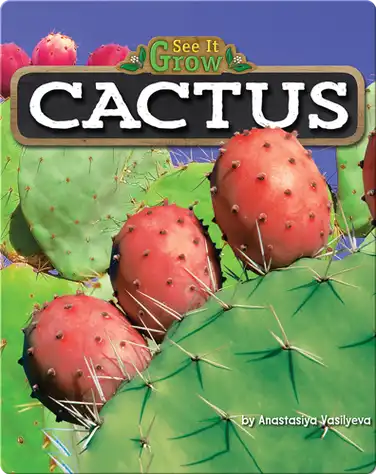
Before a cactus can thrive in a virtual desert, it must first be born from the mind’s eye onto the digital canvas. The process begins with meticulous observation—studying the undulating curves of a saguaro’s arms, the geometric precision of an opuntia’s pads, or the delicate spines of a barrel cactus. In 3D modeling, this translates to a blend of polygonal modeling and sculpting techniques. Artists often start with a low-poly base mesh, gradually refining it into a high-resolution sculpt that captures the organic irregularities of real cacti. Subsurface scattering becomes a game-changer here, allowing light to penetrate the model’s surface and mimic the translucent quality of a cactus’s flesh. But beware: the challenge lies in avoiding the uncanny valley. A cactus that looks *almost* real but not quite can shatter immersion faster than a tumbleweed in a sandstorm.
Texturing the Thorns: Material Science Meets Desert Realism
Texturing a cactus is where the magic of realism truly takes root. The interplay of light and shadow on its ridged surface demands a nuanced approach. Photogrammetry can capture the micro-details of a real cactus’s texture, but for stylized or fantastical designs, procedural textures offer unparalleled control. Artists must consider the subtle variations in color—from the dusty green of a young plant to the weathered gray of an elder—while ensuring the spines cast convincing shadows. Here’s a playful question to ponder: Can a 3D cactus ever be *too* realistic? Some might argue that hyper-detailed textures risk making the model feel sterile, like a museum exhibit rather than a living organism. The key is balance: enough detail to evoke authenticity, but enough abstraction to let the viewer’s imagination fill in the gaps.
Posing for Impact: The Unspoken Language of Cacti
What if a cactus could strike a pose? In 3D animation, even the most stoic desert dweller must occasionally bend to the will of the artist. Posing a cactus isn’t just about aesthetics—it’s about storytelling. A saguaro reaching skyward might evoke resilience, while a prickly pear sprawled lazily on the sand could suggest a moment of respite. Rigging a cactus for animation presents unique challenges: its segmented structure requires careful weight painting to ensure spines move naturally with the body, and its lack of limbs means animators must rely on subtle shifts in weight and balance. Yet, the payoff is immense. A well-posed cactus can anchor an entire scene, transforming a static environment into a narrative tableau where every spine seems to whisper tales of survival.
Lighting the Desert Stage: Casting Shadows and Highlights
The desert is a master of light and shadow, and a 3D cactus must dance with these elements to feel alive. Harsh midday sun creates deep, jagged shadows that accentuate the cactus’s texture, while the golden hues of sunset bathe it in a warm glow. Global illumination and ray-traced shadows are essential tools here, but they come with a caveat: overdoing realism can lead to visual noise. The trick is to use lighting not just to illuminate, but to evoke emotion. A cactus bathed in cool moonlight might feel mysterious, while one drenched in the orange glow of a setting sun could evoke nostalgia. The challenge? Avoiding the dreaded “plastic desert” effect—a scene where everything looks uniformly lit, devoid of the dynamic contrasts that make arid landscapes so evocative.
Environmental Integration: Placing Cacti in Their Natural Habitat
A cactus doesn’t exist in isolation—it’s a part of a larger ecosystem, and its placement within a 3D scene must reflect that. The desert floor isn’t just sand; it’s a tapestry of dry grasses, scattered rocks, and the occasional skeletal remains of long-dead flora. Integrating a cactus into this environment requires attention to scale, perspective, and environmental storytelling. A lone cactus on a vast plain might feel lonely, while a cluster of them huddled together could suggest a thriving community. The challenge here is avoiding the “dollhouse effect,” where objects look artificially placed rather than organically grown. Techniques like procedural scattering, erosion simulation, and even subtle wind effects can breathe life into the scene, making the cactus feel like it has always belonged there.
The Final Touch: Atmosphere and Post-Processing
No 3D scene is complete without a layer of atmospheric polish. In the desert, this means simulating the haze of heat, the distant shimmer of mirages, and the occasional gust of wind that sends dust swirling around a cactus’s base. Post-processing tools like depth of field, color grading, and volumetric lighting can elevate a scene from “good” to “breathtaking.” But here’s a thought-provoking challenge: How much is too much? Over-saturating colors or adding excessive fog can obscure the details of your cactus, turning it into a blurry silhouette. The goal is to enhance, not overwhelm. A subtle touch of atmospheric effects can make the cactus feel like it’s basking in the very essence of the desert, while heavy-handed edits risk drowning it in a sea of visual noise.
The journey of modeling a realistic cactus in 3D is a testament to the power of patience and observation. It’s about more than just replicating spines and ridges—it’s about capturing the spirit of resilience, the dance of light and shadow, and the quiet majesty of a plant that thrives where others wither. So, the next time you see a cactus in a 3D scene, ask yourself: Does it feel alive? Does it make you believe, if only for a moment, that the desert is whispering secrets just beyond the frame? If the answer is yes, then the artist has done their job—and the cactus has done its part to enchant the world, one spine at a time.
FAQ
What are the key techniques for modeling cacti in 3D?
Key techniques include polygonal modeling, sculpting, texturing, and rigging for animation.
How can lighting affect the realism of a 3D cactus scene?
Lighting creates dynamic shadows and highlights, influencing the mood and realism of the scene.


Leave a Reply