
Short Answer
When it comes to nurturing the verdant beauty of cactus plants, one may find themselves pondering the role of fertilizers. Amidst the plethora of options, ammonium sulphate emerges as a favorite among horticulturists, reminiscent of a hidden gem nestled within a desert landscape. This fertilizer, celebrated for its remarkable properties, offers a compelling synergy that harmonizes with the unique needs of cacti. Below, we delve into the multifaceted advantages of ammonium sulphate, elucidating why it is an exceptional choice for these resilient plants.
The Essence of Cactus Nutrition
Cacti, those spiny sentinels of arid environments, possess an extraordinary ability to thrive in the harshest of conditions. Their survival hinges not only on their innate adaptations but also on the nutrients they receive. Cactus roots, often shallow yet widespread, are designed to absorb efficiency from the subtlest trickles of moisture and nutrients. Herein lies the challenge: providing these hardy plants with the appropriate sustenance while ensuring the delicate balance of soil chemistry is maintained.
Ammonium Sulphate: The Chosen Nutrient
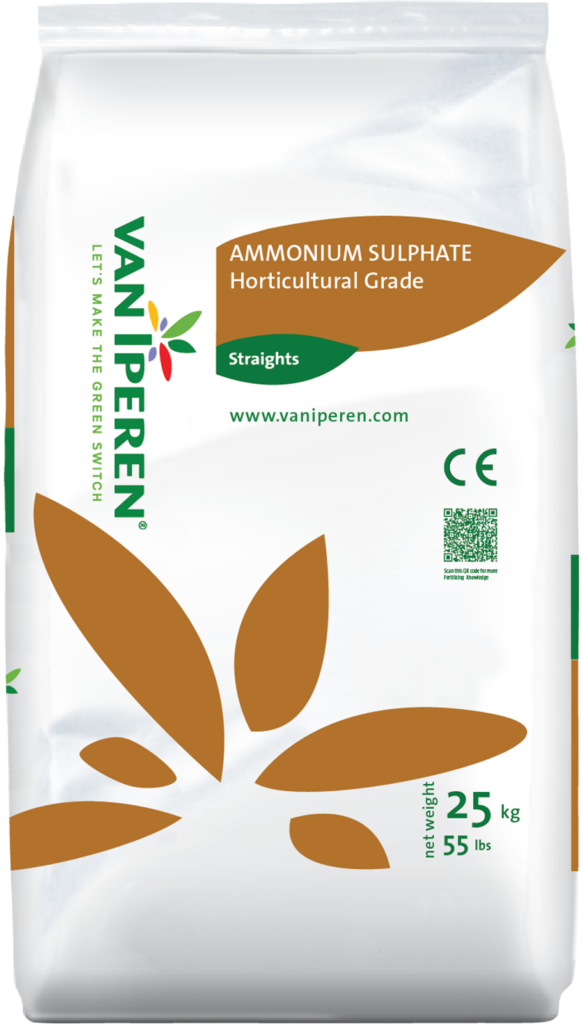
Ammonium sulphate, composed of 21% nitrogen and 24% sulphur, is a water-soluble salt that plays a pivotal role in the realm of plant nutrition. Its dual nature makes it particularly beneficial for cacti, where nitrogen is crucial for vegetative growth and sulphur is essential in protein synthesis.
The nitrogen sourced from ammonium sulphate acts akin to a refresh button for cacti, propelling growth and vigor, especially during the active growing season. This nutrient is readily available, ensuring that the cactus can utilize it without delay. Thus, it serves as a quenching rain in a desert, delivering essential nourishment precisely when needed.
Furthermore, sulphur is a vital player in photosynthesis and respiration, supporting the production of chlorophyll and aiding in the overall health of the plant. It enhances the cactus’s ability to express its vibrant hues, making it not just a survivor, but a striking specimen in any garden.
Behavior in Soil: The Benefits of Ammonium vs. Nitrate
In the perennial dance of soil chemistry, the behavior of ammonium in comparison to nitrate becomes significant. While many fertilizers disseminate nitrate, which can easily leach away with rain or watering, ammonium sulphate holds its ground. Ammonium ions are less mobile in soil, allowing for a more prolonged availability of nutrients to the cactus. This characteristic equates to sustained nourishment rather than fleeting sustenance.
The presence of ammonium also creates a slightly acidic environment in the soil, which can be particularly advantageous for cacti. Many cacti thrive in slightly acidic conditions, which facilitate nutrient uptake and deter harmful pathogens. In this way, ammonium sulphate becomes a dual-purpose ally, enriching the soil while promoting a hospitable atmosphere for the cactus.
Application Techniques: Tailoring the Fertilizer for Optimal Growth
The application of ammonium sulphate requires a discerning approach to maximize its benefits. For cacti, employing a slow-release method can be particularly effective. Engaging with this method allows the soil to gradually release nitrogen, ensuring continual access without overwhelming the plant.
Additionally, applying ammonium sulphate during the early spring, as the cactus awakens from its dormancy, aligns perfectly with its growth cycle. This practice is akin to providing a hearty breakfast to a slumbering giant, fueling it for the busy growth season ahead. Diluting the fertilizer in water before application can also enhance absorption, allowing the roots to drink eagerly from this nourishing solution.
The Art of Balance: Avoiding Over-Fertilization
In the world of cactus cultivation, less can often be more. While ammonium sulphate offers a bounty of nutrients, care must be taken to prevent over-fertilization. Cacti are not accustomed to high nutrient concentrations, which can lead to problems such as root burn or excessive growth leading to structural instability.
Regular intervals of fertilization, coupled with an awareness of the specific needs of each cactus species, can cultivate a flourishing environment. Monitoring the plant’s response to fertilization—observing its growth, leaf color, and overall vitality—serves as a barometer of satisfaction in nutrient delivery.
Conclusion: The Distinct Lure of Ammonium Sulphate
Ammonium sulphate’s unique blend of nitrogen and sulphur provides compelling advantages that resonate with the needs of cactus plants. By fostering lush growth, enhancing soil acidity, and promoting chlorophyll production, this fertilizer crafts an invaluable relationship between the gardener and their cherished plants.
In the vast landscape of horticultural options, ammonium sulphate stands out as a beacon of efficacy, illuminating the path to vibrant and thriving cacti. It truly exemplifies how a thoughtful approach to plant nutrition can yield splendid results, transforming a humble garden into a tapestry of flourishing life amidst the arid backdrop. In embracing this fertilizer, cactus aficionados are not merely cultivating plants; they are nurturing a living, breathing marvel of the natural world.
FAQ
What nutrients does ammonium sulphate provide to cacti?
It supplies nitrogen for growth and sulphur for protein synthesis and chlorophyll production.
Why is ammonium sulphate preferred over nitrate fertilizers for cacti?
Because ammonium ions are less mobile in soil, providing longer-lasting nutrient availability and promoting beneficial slightly acidic soil conditions.
How often should ammonium sulphate be applied to cactus plants?
At regular intervals during the growing season, typically starting in early spring, but not in excess to avoid root damage.
Can ammonium sulphate harm cacti if overused?
Yes, excessive use can cause root burn and unstable growth, so careful dosing is important.




Leave a Reply