
Short Answer
Beneath the vast, sun-scorched expanse of Australia’s outback, where the earth breathes in hues of ochre and rust, a silent revolution thrives. It is not one of protest or upheaval, but of resilience—of spiny sentinels standing defiantly against the arid embrace of time. The cactus, a plant often associated with the Americas, has found an unlikely home in the land Down Under, where it has not only survived but flourished, evolving into species as unique as the continent itself. These botanical pioneers are not mere survivors; they are storytellers, their spines and shapes whispering tales of adaptation, survival, and quiet defiance. To explore Australia’s cactus diversity is to step into a world where nature’s tenacity is etched into every thorn and every bloom, where each species is a testament to the extraordinary in the ordinary.
The Outback’s Thorny Guardians: Australia’s Native Cacti
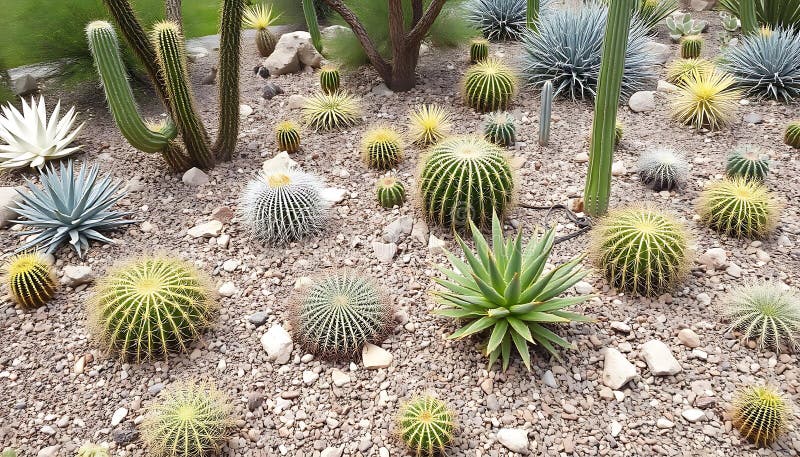
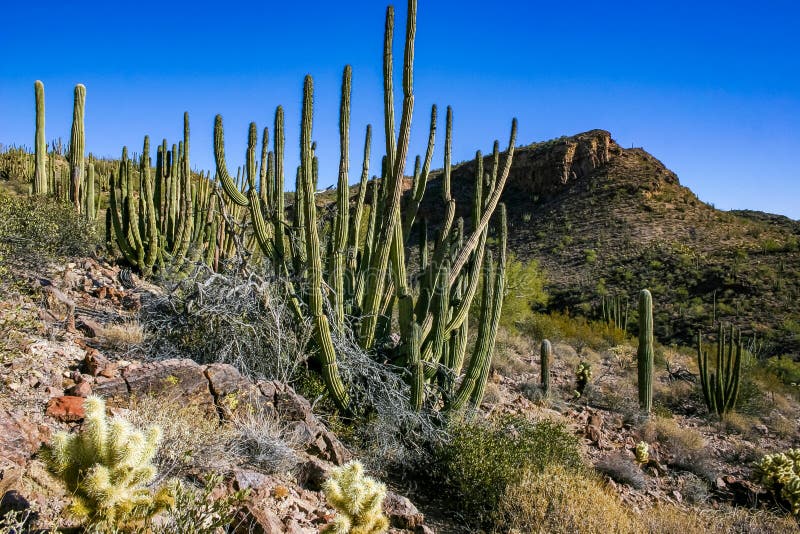
While the word “cactus” often conjures images of the saguaro standing tall in the Sonoran Desert, Australia’s native cacti are a far cry from their towering cousins. Here, the cactus family—predominantly the genus Opuntia—has taken on a more subdued, yet no less fascinating, form. These are not the giants of the desert Southwest; they are the understated heroes, the low-growing, sprawling, and sometimes almost invisible denizens of the bush. Among them, the Opuntia stricta, commonly known as the Prickly Pear, reigns supreme. With its flat, paddle-like cladodes and clusters of vibrant yellow flowers, it paints the landscape in bursts of color against the monotonous greens and browns of the bush. But do not be fooled by its unassuming appearance—this cactus is a survivor, thriving in soils so poor they would make a desert blush.
The Opuntia humifusa, or Eastern Prickly Pear, is another marvel, its presence a quiet rebellion against the encroaching tides of urbanization. Found in the sandy soils of Queensland and New South Wales, it clings to life with a tenacity that borders on the poetic. Its pads, though small, are densely packed with spines that serve as both armor and a means of propagation, ensuring that even a fragment of the plant can take root and flourish. These cacti are not just plants; they are living relics, a bridge between continents, a reminder that nature’s boundaries are far more fluid than we often imagine.
The Spine as a Symbol: Metaphors of Resilience in the Australian Landscape
To gaze upon an Australian cactus is to witness a metaphor in motion. The spines, those sharp, unyielding protrusions, are not merely tools of defense; they are symbols of resilience, each one a tiny fortress against the relentless sun and the ceaseless winds that sweep across the plains. In a land where water is a luxury and shade a distant dream, the cactus has turned its vulnerability into strength. Its spines do more than deter predators—they create a microclimate, a tiny sanctuary where moisture can linger just long enough for the plant to thrive. This is not just adaptation; it is alchemy, transforming scarcity into abundance.
Consider the Opuntia monacantha, with its long, slender spines that seem to reach out like fingers grasping for the sky. Here, the spine becomes a metaphor for human tenacity—the way we stretch toward our goals despite the obstacles in our path. The cactus does not ask for mercy; it claims its place in the world with every thorn. And then there are the flowers, those fleeting bursts of color that punctuate the monotony of the landscape. In the Australian bush, a blooming cactus is a declaration of life’s persistence, a reminder that even in the harshest of environments, beauty will find a way to flourish.
Where the Cactus Blooms: Australia’s Prime Cactus Havens
To truly appreciate Australia’s cactus diversity, one must venture to the places where these plants thrive in their natural splendor. The Flinders Ranges in South Australia are a cactus pilgrimage site, where the Opuntia species dot the rocky outcrops like jewels scattered across an ancient mosaic. Here, the cacti are not just plants; they are part of the land’s soul, their presence a testament to the enduring power of nature. The Grampians in Victoria offer another haven, where the Eastern Prickly Pear clings to the edges of cliffs and gullies, its yellow blooms a stark contrast against the grey of the rocks.
In the Kimberley region of Western Australia, the cacti take on a more tropical guise. The Opuntia cochenillifera, with its deep red flowers and flattened pads, thrives in the humid, monsoonal climate, a living contradiction—a desert plant in a land of rain. The Nullarbor Plain, that vast, treeless expanse, is another cactus hotspot, where the Opuntia species have carved out a niche in the cracks of limestone and the edges of salt lakes. Each of these locations tells a story, not just of the cactus, but of the land itself—a land that has shaped and been shaped by these resilient plants.
The Cactus in Culture: From Invader to Icon
Australia’s relationship with the cactus is a complex one, fraught with contradictions. Introduced in the 19th century as a potential food source and a means of erosion control, the Opuntia species quickly spiraled into an ecological nightmare. By the early 20th century, the Prickly Pear had become a symbol of ecological devastation, its unchecked spread choking out native vegetation and rendering vast tracts of land unusable. Yet, in the span of a few decades, this same plant has been reclaimed—transformed from a villain into an icon, a symbol of nature’s ability to adapt and endure.
Today, the cactus is celebrated in art, literature, and even cuisine. Indigenous communities have long recognized the value of these plants, using their pads as a food source and their spines in traditional tools. Modern Australians, too, have embraced the cactus, not just as a survivor, but as a muse. Artists paint its stark beauty, poets write odes to its resilience, and gardeners cultivate its unique forms in backyards and botanical gardens. The cactus has become a cultural touchstone, a reminder that even the most unlikely of plants can leave an indelible mark on a nation’s identity.
The Future of the Thorn: Conservation and the Cactus’s Role in a Changing World
As climate change reshapes the Australian landscape, the cactus finds itself at a crossroads. On one hand, its natural resilience makes it a potential ally in the fight against desertification, its ability to thrive in arid conditions a model for sustainable agriculture. On the other, the same traits that make it a survivor—its hardiness, its adaptability—could also make it a threat, its spread into new territories a challenge for conservationists. The question is not whether the cactus will survive, but how it will be managed, how its story will be told in a world that is rapidly changing.
Conservation efforts are underway, not just to control the spread of invasive species, but to protect and celebrate Australia’s native cacti. Botanical gardens and conservation groups are working to preserve these unique plants, ensuring that future generations can witness their quiet defiance. The cactus, in all its spiny glory, is more than just a plant—it is a symbol of hope, a reminder that even in the face of adversity, life will find a way. And in a world that often feels fractured and uncertain, that is a message worth celebrating.
FAQ
What types of cacti are native to Australia?
Australia is home to several unique cacti species, including Opuntia stricta and Opuntia humifusa.
Where can I find cacti in Australia?
Cacti can be found in various regions, including the Flinders Ranges and the Kimberley region.
What role do cacti play in Australian culture?
Cacti have been embraced in art and cuisine and symbolize resilience in harsh environments.

Leave a Reply