
Short Answer
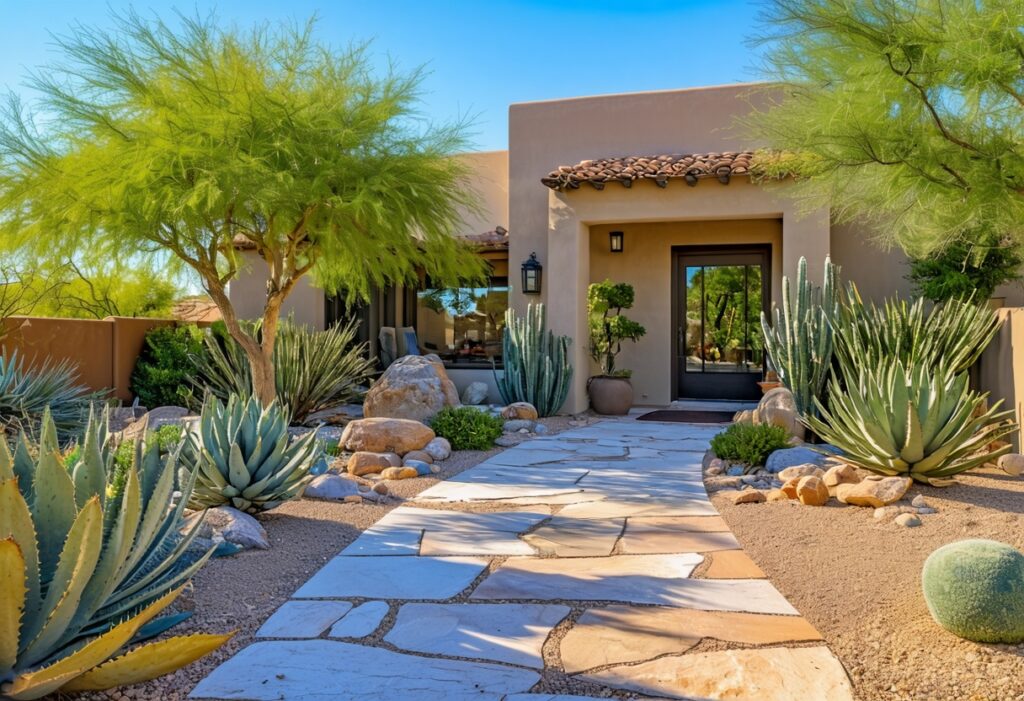
Imagine stepping into a sun-drenched oasis where the air hums with the quiet resilience of nature, and every plant tells a story of adaptation. Desert landscaping isn’t just about survival—it’s about crafting a living tapestry where cacti, succulents, and hardy shrubs thrive in harmonious contrast against the golden hues of sand and stone. A cactus garden is more than a collection of spiky sentinels; it’s a testament to the beauty of arid ecosystems, a sanctuary for pollinators, and a bold statement of style that thrives where others might wither. Whether you’re a seasoned gardener or a novice with a penchant for the unconventional, designing a cactus garden invites you to reimagine outdoor spaces with creativity, sustainability, and a touch of desert mystique.
The Allure of Arid Aesthetics: Why Cactus Gardens Captivate
There’s an undeniable magnetism to cactus gardens that transcends mere horticulture. These landscapes embody a paradox: they are both stark and lush, rugged and refined. The architectural forms of saguaros, the geometric precision of agave, and the cascading tendrils of barrel cacti create a visual symphony that evolves with the seasons. Unlike traditional gardens that demand constant upkeep, a well-planned cactus garden thrives on minimal intervention, rewarding you with year-round interest and a sense of effortless elegance. Moreover, these gardens serve as vital havens for native wildlife, from hummingbirds sipping nectar from ocotillo blooms to lizards darting between rocks. By embracing desert flora, you’re not just decorating your yard—you’re participating in a larger ecological narrative, one where every spine and bloom plays a crucial role.
Choosing Your Desert Palette: Selecting the Right Cacti and Succulents
The first step in crafting your cactus garden is curating a collection that reflects both your aesthetic preferences and the microclimate of your space. Start with the giants: towering saguaros (Carnegiea gigantea) or their smaller cousin, the Mexican fence post cactus (Pachycereus marginatus), can anchor your design with their dramatic silhouettes. For mid-height drama, consider the paddle-shaped pads of prickly pear (Opuntia spp.) or the rosette formations of echeveria, which add a sculptural quality. Ground covers like blue fescue or ice plant (Delosperma) spill over edges, softening the hard lines of rocks and pavers. Don’t overlook the understated charm of barrel cacti (Ferocactus spp.), whose ribbed bodies and occasional crimson blooms provide a striking focal point. When selecting plants, prioritize those native to your region to ensure resilience and reduce water usage. Group species with similar light and moisture needs together, creating micro-zones that mimic the natural stratification of desert ecosystems.

Design Principles: Crafting a Cohesive Cactus Garden Layout
Designing a cactus garden is akin to composing a piece of music—each element must harmonize with the others to create a cohesive whole. Begin by sketching a rough layout, considering the mature size of your plants to avoid overcrowding. Use the “rule of thirds” to create visual interest: place taller specimens like yuccas or columnar cacti off-center, while lower-growing succulents fill the foreground. Incorporate hardscaping elements such as decomposed granite pathways, stacked stone walls, or rustic wooden benches to add texture and functionality. The interplay of light and shadow is paramount; position plants to cast intriguing patterns as the sun moves across the sky. For a modern twist, opt for geometric arrangements with angular planters or mirrored surfaces that reflect the desert’s luminous palette. Alternatively, embrace a wild, untamed look by allowing plants to naturalize, creating a sense of organic spontaneity. Remember, contrast is key—pair spiky forms with smooth stones, or juxtapose the bold hues of red yucca blooms against the muted tones of gravel mulch.
Soil Secrets: Creating the Perfect Arid Growing Medium
Desert plants are not merely survivors; they are masters of efficiency, adapted to thrive in soils that would stifle most other flora. To replicate these conditions, your cactus garden requires a well-draining substrate that mimics the gritty, mineral-rich soils of their native habitats. Start with a base of coarse sand or pumice, which prevents waterlogging and encourages root aeration. Amend the soil with a blend of perlite, coarse grit, and a small amount of organic matter—just enough to provide nutrients without retaining excess moisture. Avoid heavy clays or peat-based mixes, which can suffocate roots and lead to rot. For container gardens, use a specialized cactus and succulent mix, or create your own by combining equal parts potting soil, perlite, and coarse sand. If your soil is particularly dense, consider building raised beds or mounded planting areas to improve drainage. The right soil isn’t just a foundation; it’s the lifeblood of your garden, ensuring that each plant can flourish without the constant threat of drowning in its own element.
Water Wisdom: Mastering the Art of Desert Irrigation
In the desert, water is both a gift and a challenge—too little, and your garden withers; too much, and it drowns. The key to success lies in understanding the water needs of each plant and tailoring your irrigation strategy accordingly. Most cacti and succulents require infrequent but deep watering, allowing the soil to dry out completely between sessions. A drip irrigation system with a timer is ideal, delivering moisture directly to the roots while minimizing evaporation. For in-ground gardens, water deeply once every two to three weeks during the growing season, tapering off in winter when plants enter dormancy. Container-grown specimens may need more frequent attention, as their limited soil volume dries out faster. Mulching with gravel or decomposed granite helps retain moisture and suppress weeds, while also enhancing the garden’s aesthetic. Pay attention to seasonal shifts: spring and fall are peak growing periods, while summer’s scorching heat may necessitate a temporary hiatus from watering. By observing your plants’ cues—wrinkled skins, softened stems—you’ll learn to strike the perfect balance between hydration and hardiness.
Seasonal Strategies: Keeping Your Garden Vibrant Year-Round
A cactus garden is a dynamic entity, evolving with the rhythm of the seasons. Spring heralds a burst of color as cacti like hedgehog cactus (Echinocereus spp.) and claret cup (Echinocereus triglochidiatus) unfurl vibrant blooms, while agave and yucca send up towering flower stalks. Summer demands vigilance against scorching temperatures; provide afternoon shade for tender species and increase mulch to insulate roots. Autumn is the ideal time for planting, as cooler weather encourages root establishment without the stress of extreme heat. Winter brings a quieter beauty, with frost-tolerant plants like golden barrel cactus (Echinocactus grusonii) standing sentinel against the chill. To maintain year-round interest, intersperse evergreen shrubs like creosote bush (Larrea tridentata) or desert marigold (Baileya multiradiata), which provide structure and texture even in dormancy. Rotate seasonal containers—think of a summer display of flowering aloes or a winter arrangement of holiday cacti (Schlumbergera)—to keep your garden fresh and engaging. By embracing the cyclical nature of desert life, you ensure that your garden remains a source of wonder in every season.
Wildlife Havens: Encouraging Pollinators and Beneficial Creatures
A thriving cactus garden is a bustling ecosystem, teeming with life beyond the plants themselves. Bees, butterflies, and hummingbirds are drawn to the nectar-rich blooms of desert marigolds, fairy duster (Calliandra eriophylla), and chuparosa (Justicia californica). To support these vital pollinators, avoid pesticides and opt for organic pest control methods like introducing ladybugs or nematodes. Leave some areas of bare soil or sand for ground-nesting bees, and incorporate a shallow water source, such as a birdbath with pebbles for perching. Lizards, snakes, and beneficial insects like praying mantises also play a role in maintaining ecological balance, preying on pests that might otherwise damage your plants. For a touch of whimsy, add a small rock pile or a “desert bathtub”—a shallow dish filled with water and stones—to attract amphibians and provide a drinking spot for wildlife. By fostering biodiversity, your cactus garden becomes more than a decorative space; it’s a sanctuary for creatures great and small, a living testament to the interconnectedness of desert life.
Low-Maintenance Luxury: Enjoying Your Garden with Minimal Effort
One of the most compelling aspects of a cactus garden is its ability to thrive with minimal upkeep, freeing you to enjoy its beauty without the burden of constant labor. Unlike traditional gardens that demand weekly pruning, fertilizing, and watering, a well-designed desert landscape requires only occasional attention. Weeding is simplified by the sparse growth habit of most cacti and the use of gravel mulch, which suppresses unwanted invaders. Pruning is largely unnecessary, though you may need to remove dead or damaged pads from prickly pear cacti or trim back overgrown agave stalks. Fertilizing is optional; a light application of a balanced, low-nitrogen fertilizer in early spring can boost growth, but many desert plants thrive without it. The key to low-maintenance luxury lies in thoughtful planning—choosing the right plants for your climate, grouping them by water needs, and designing with an eye toward natural resilience. With a cactus garden, you’re not just creating a landscape; you’re crafting a self-sustaining masterpiece that rewards you with beauty and tranquility, season after season.
FAQ
What are the key principles for designing a cactus garden?
Key principles include selecting the right plants for your microclimate, creating a cohesive layout, using well-draining soil, and tailoring your irrigation strategy.
How do I choose the right cacti for my garden?
Choose cacti that reflect your aesthetic preferences and are native to your region to ensure resilience and low water usage.

Leave a Reply