
Short Answer
Picture this: a plant so resilient it thrives where others wither, so adaptable it laughs in the face of neglect, and so visually striking it could anchor an entire desert landscape. Meet the Opuntia—commonly known as the prickly pear cactus—a botanical marvel that doesn’t just survive; it *commands* attention. If you’ve ever dismissed cacti as mere “green blobs” or assumed they’re all about surviving on minimal water, prepare for a revelation. This isn’t just another care guide. It’s a manifesto for transforming your relationship with one of nature’s most understated yet extraordinary plants.
The Opuntia Enigma: Why This Cactus Defies Expectations
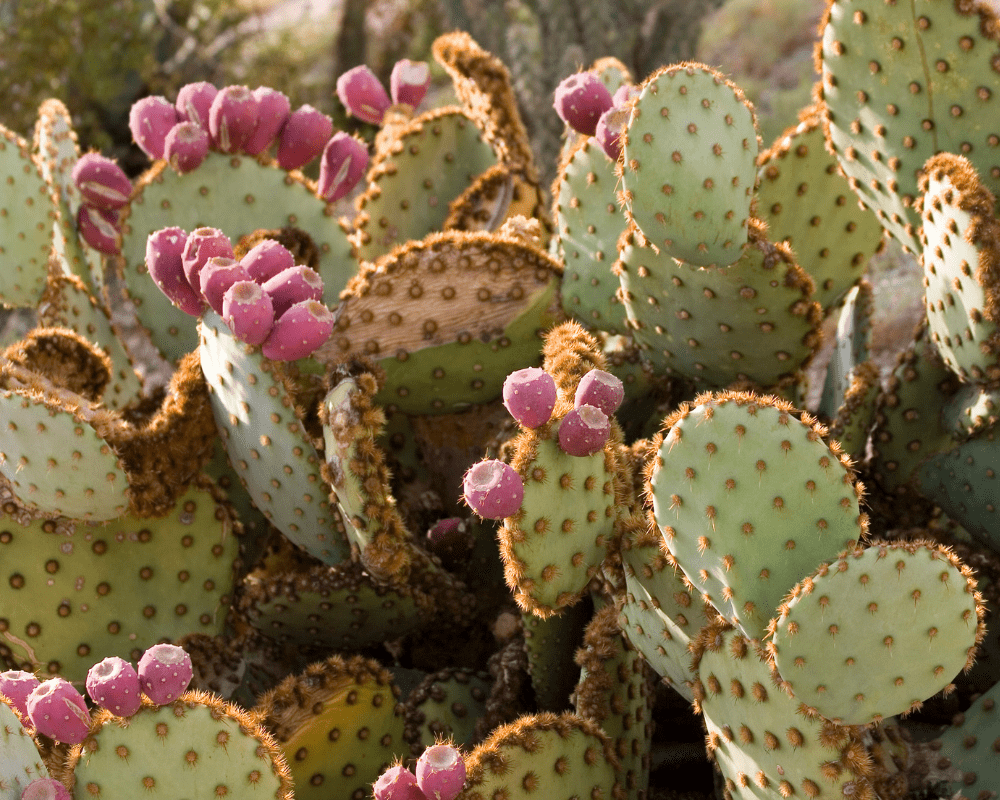
At first glance, the Opuntia might seem like a prickly oddity—sprawling pads bristling with glochids that lodge in skin like microscopic harpoons, and flowers that burst into fiery hues of orange, yellow, or pink. But beneath its defensive armor lies a story of evolutionary genius. Unlike their columnar cousins, Opuntias have evolved a flat, paddle-like structure that maximizes water storage while minimizing surface area exposed to scorching sun. This isn’t just survival; it’s *strategic dominance*.
Consider the Opuntia’s roots—a sprawling, shallow network that snatches moisture from the slightest rainfall, storing it in succulent pads that act like living water towers. This cactus doesn’t just tolerate drought; it *banks* on it. And yet, despite its desert pedigree, the Opuntia thrives in coastal climates, high altitudes, and even urban balconies. It’s the botanical equivalent of a Swiss Army knife: versatile, durable, and endlessly useful.

Decoding the Opuntia’s Secret Language: Signs of a Happy (or Stressed) Cactus
To care for an Opuntia is to learn its silent cues—a language of color shifts, texture changes, and growth patterns that whisper secrets about its well-being. A vibrant green pad isn’t just a sign of health; it’s a declaration of vitality. But when those pads take on a dull, grayish hue, it’s not just a color change—it’s a cry for help. Overwatering, the silent assassin of cacti, turns Opuntias into waterlogged zombies, their once-firm pads softening into a mushy mess.
Then there are the glochids—those tiny, barbed spines that detach at the slightest touch. If you find them littering the soil like confetti, your cactus is shedding a layer of its armor, possibly due to overzealous watering or insufficient light. And let’s not forget the flowers. A thriving Opuntia doesn’t just bloom; it *performs*, unfurling petals that shimmer like stained glass in the sun. No flowers? That’s not neglect—it’s a sign your cactus is too young, too stressed, or simply too busy storing water to put on a show.
The Soil Alchemy: Crafting the Perfect Home for Your Opuntia
Imagine planting a cactus in regular potting soil. Now imagine watching it slowly drown in its own pot. That’s the fate of countless Opuntias, victims of a well-intentioned but misguided love for moisture. The truth? Opuntias demand soil that’s less “earth” and more “desert”—a gritty, fast-draining medium that mimics the harsh, mineral-rich soils of their native habitats.
Start with a base of coarse sand or perlite—think of it as the skeleton of your soil mix. Add a handful of coconut coir or peat moss for structure, but keep it minimal. The goal isn’t to create a cozy bed; it’s to build a fortress where water drains faster than a thief in the night. And don’t even think about using clay-heavy soils. Opuntias aren’t just indifferent to them; they’re actively hostile. A cactus in the wrong soil isn’t just unhappy—it’s a ticking time bomb of root rot.
Watering Wisdom: The Art of Hydration Without Hubris
Here’s a hard truth: most Opuntia deaths aren’t from thirst. They’re from drowning. The cactus world’s golden rule—“when in doubt, don’t water”—isn’t just advice; it’s a survival tactic. Opuntias store water like misers hoarding gold, and they’ll punish overwatering with the ferocity of a scorned lover.
So how do you water an Opuntia without committing cactusicide? First, forget about schedules. Instead, adopt the “soak and dry” method: drench the soil until water runs freely from the drainage holes, then wait until the soil is bone-dry before watering again. In winter, when the cactus enters its dormant phase, slash watering to a trickle—just enough to prevent the pads from shriveling into prunes. And never, *ever* let your Opuntia sit in a saucer of water. That’s not hydration; that’s a death sentence.
Pro tip: If you’re unsure whether your cactus needs water, stick your finger an inch into the soil. If it’s dry as a desert wind, it’s time. If it’s even slightly damp, walk away. Your Opuntia will thank you.
Light: The Invisible Fuel That Powers the Opuntia’s Fire
Sunlight isn’t just a preference for an Opuntia—it’s a lifeline. Without enough light, your cactus will stretch and etiolate, its pads elongating into spindly, pale imitations of their former selves. But too much light? That’s a recipe for sunburn, where pads develop unsightly brown or white patches that look like they’ve been kissed by a blowtorch.
The sweet spot? Bright, indirect light for most of the day, with a few hours of direct sun—think the kind of light that makes indoor plants sigh with envy. South- or west-facing windows are ideal, but if your Opuntia starts looking like it’s auditioning for a role in a horror movie (think bleached, crispy pads), dial back the exposure. And if you’re growing your cactus outdoors, ease it into full sun gradually. A sudden shift from shade to blazing noon sun is a shock it won’t recover from.
Temperature and Humidity: The Delicate Dance of Desert and Dome
Opuntias are the ultimate survivors, thriving in temperatures that swing from scorching days to chilly nights. But they’re not fans of humidity—at least, not the sticky, oppressive kind. High humidity turns their pads into breeding grounds for fungal infections, turning your cactus into a science experiment gone wrong.
Ideally, keep humidity levels below 40%. If your home feels like a rainforest, crack a window or invest in a dehumidifier. And when winter arrives, don’t panic if your Opuntia slows down. Cooler temperatures (around 50°F/10°C) trigger dormancy, a period of rest where growth halts and water needs plummet. Resist the urge to coddle it with warmth and moisture—this isn’t neglect; it’s respecting its natural rhythms.
Feeding the Opuntia: The Subtle Art of Fertilizer Finesse
Opuntias aren’t gluttons. They don’t need a buffet of nutrients to thrive—in fact, too much fertilizer can do more harm than good. Think of it this way: you wouldn’t force-feed a marathon runner a triple cheeseburger before a race. Similarly, an Opuntia doesn’t need a nutrient overload; it needs a *balanced* diet.
Use a diluted, low-nitrogen fertilizer (think 5-10-10 or 2-7-7) during the growing season—spring through early fall. Apply it sparingly, once a month at most. And always, *always* water before fertilizing. Feeding a dry cactus is like pouring salt on a wound. Skip fertilizing in winter entirely. Your Opuntia isn’t on a hunger strike; it’s on a diet.
Propagation: Growing Your Opuntia Empire from Scratch
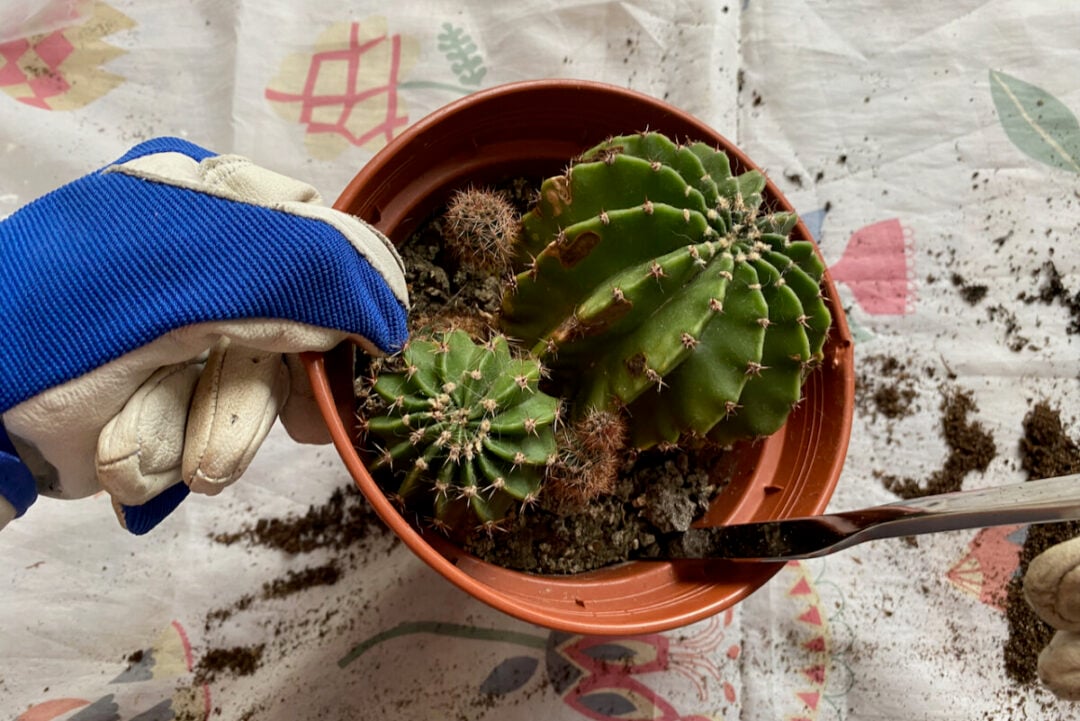
Why buy a cactus when you can grow your own? Opuntias are propagation powerhouses, willing their offspring into existence with minimal coaxing. The easiest method? Pad propagation. Simply twist off a healthy pad (let it callous over for a few days to prevent rot), then lay it on top of well-draining soil. Resist the urge to bury it—just nestle it lightly into the mix. Water sparingly, and in a few weeks, roots will emerge like magic.
But what if your pad decides to take a dirt nap instead? Don’t panic. Opuntias are dramatic but resilient. If rot sets in, trim away the affected tissue with a sterilized knife, let it heal, and try again. And if you’re feeling adventurous, try seed propagation. It’s slower, but the reward—a tiny Opuntia seedling—is nothing short of miraculous.
Pests and Problems: The Shadow Side of Opuntia Ownership
Even the hardiest Opuntia isn’t immune to pests. Mealybugs, those cottony blobs of doom, love to nestle into the crevices of pads, siphoning sap like tiny vampires. Scale insects, armored and unmovable, cling to stems like miniature tanks. And spider mites? They’re the silent assassins, spinning webs so fine they’re nearly invisible until your cactus starts looking like it’s been dusted with flour.
Combat these invaders with a mix of neem oil and water, sprayed liberally (but not so liberally that you drown your cactus). For stubborn infestations, a cotton swab dipped in rubbing alcohol can target pests with surgical precision. And if all else fails, don’t hesitate to prune away the worst-affected pads. It’s not failure; it’s triage.
The Opuntia Mindset: Why This Cactus is More Than Just a Plant
Caring for an Opuntia isn’t just about keeping a plant alive. It’s about embracing a philosophy—a reminder that resilience isn’t about brute strength, but adaptability. It’s about finding beauty in the unconventional, in the spiky, the unexpected, the defiantly alive. An Opuntia doesn’t ask for much. It doesn’t beg for attention or demand pampering. It simply *is*—a living sculpture of patience and persistence.
So the next time you see a prickly pear cactus, don’t just see a plant. See a survivor. See a teacher. See a tiny, green rebel that refuses to be tamed. And if you’re ready to welcome one into your life, remember: the key isn’t in the care. It’s in the *understanding*.
FAQ
How often should I water my Opuntia?
Water your Opuntia only when the soil is completely dry, using the ‘soak and dry’ method.
What type of soil is best for Opuntia?
Use a fast-draining soil mix, ideally composed of coarse sand or perlite.
How can I propagate Opuntia?
The easiest method is pad propagation. Allow a cut pad to callous before placing it on well-draining soil.

Leave a Reply