
Short Answer
The relentless quest for sustainable, eco-friendly materials has led innovators and environmentalists to explore some of nature’s most resilient and resourceful plants. Among these, cactus-based materials have emerged as a remarkable contender, capturing the imagination of industries and consumers alike. These materials not only offer astounding versatility but also embody an environmentally conscientious approach that aligns with the urgent need to reduce reliance on synthetic, pollutive resources. Dive into this exploration of cactus-based materials to uncover how they are poised to redefine eco-friendly products across various sectors.
Cactus Fibers: The Natural Textile Revolution
Cactus fibers, extracted primarily from the leaves of species such as Opuntia ficus-indica, have demonstrated incredible potential as a sustainable alternative to traditional textile fibers. These fibers are durable yet lightweight, boasting a natural resistance to wear and tear. Their cultivation requires minimal water and zero pesticides, making them an emblem of xerophytic sustainability. Besides the ecological benefits, cactus fibers impart a distinct tactile quality to fabrics—soft, yet with a subtle coarse robustness that evokes an organic authenticity rarely found in synthetic textiles.
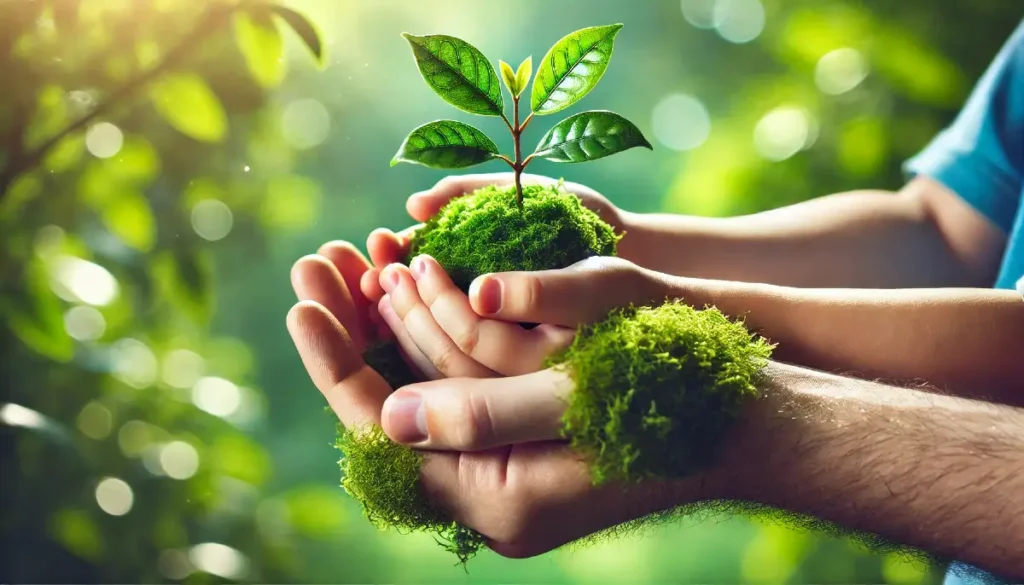
Innovations in processing techniques have allowed manufacturers to spin cactus fibers into yarns that are then woven or knitted into breathable, biodegradable fabrics. Designers and brands are increasingly embracing cactus textiles in clothing, upholstery, and even footwear, creating products that tell a story of resilience and environmental stewardship with every thread.
Cactus-Based Leather: Luxurious, Sustainable, and Cruelty-Free
The fashion and accessory industries’ gravitation toward cactus leather signifies a monumental shift away from animal-derived and petroleum-based materials. Cactus leather, predominantly made from the processed leaves of prickly pear cactus, offers a supple, durable alternative that performs comparably to traditional leather without the ethical and ecological downsides.

This vegan leather variant utilizes a minimally invasive extraction method that preserves soil fertility and reduces water consumption dramatically—a stark contrast to the resource-intense cattle farming and tanning processes. Its carbon footprint is impressively low, and the material decomposes naturally at the end of its lifecycle. High-end fashion houses and independent designers are captivated by cactus leather’s potential, elevating eco-consciousness to an art form.
Biodegradable Packaging from Cactus Mucilage
In an age where plastic pollution chokes ecosystems, biodegradable packaging alternatives are more critical than ever. Emerging from the mucilaginous sap of the cactus plant, new biopolymers are being developed that can replace single-use plastics and synthetic foams. This mucilage, rich in polysaccharides, forms a viscous gel that, when processed, becomes a sturdy yet compostable material ideal for packaging applications.
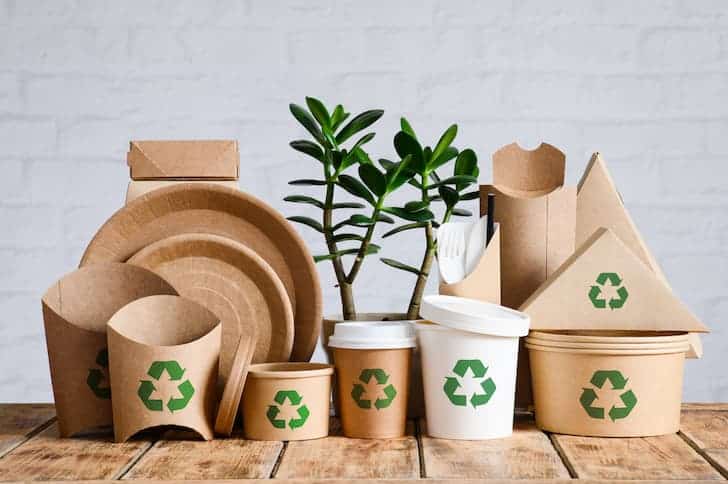
The inherent water retention properties and adhesive qualities of cactus mucilage provide excellent barrier protections against moisture and oxygen, extending the shelf life of packaged goods. This technology is gaining traction among food producers seeking to combine sustainability with product freshness. Moreover, cactus-derived packaging materials break down in compost environments within weeks, leaving behind no harmful residues—precisely the kind of innovation that can drastically reduce landfill waste.
Advanced Environmental Benefits and Carbon Sequestration
Cacti are not just valuable for their usable material outputs; their ecological role is profound. These xerophytic plants thrive in arid environments where water scarcity prohibits most other forms of agriculture. By cultivating cacti for material production, marginal and degraded lands once considered unproductive gain renewed purpose. This relieves pressure on fertile croplands and reduces deforestation tendencies.
Furthermore, cacti exhibit exceptional efficiency in carbon sequestration. Through crassulacean acid metabolism (CAM), they capture atmospheric carbon dioxide predominantly at night, reducing water loss and storing carbon in their tissues. Large-scale cactus cultivation integrated with material harvesting could serve as part of nature-based solutions combating climate change, literally turning deserts greener while supplying green materials.
Versatility Across Industries: From Construction to Cosmetics
The ingenuity of cactus-based materials stretches beyond textiles and packaging. Their adaptability has sparked a proliferation of uses across disparate sectors. Composite cactus materials are being investigated for lightweight yet strong paneling in construction, offering insulation properties and reducing reliance on energy-intensive materials like concrete or plastics.
In the cosmetic industry, cactus extracts and oils have gained recognition for their hydrating, antioxidant properties. Sustainable sourcing of cactus not only ensures enduring supply chains but promises products that harmonize wellness with environmental mindfulness. The porous structure of dried cactus pads even inspires innovative filtration systems and water retention solutions in agriculture, embodying a renaissance of biomimicry in product design.
The Road Ahead: Challenges and Opportunities
Despite the burgeoning promise of cactus-based materials, the path to widespread adoption encounters certain hurdles. Scaling up cultivation while maintaining biodiversity, enhancing cost-efficiency of extraction and processing, and fostering consumer awareness remain critical challenges. However, these obstacles are surmountable through scientific innovation and cross-sector collaboration.
Opportunities abound in integrating cactus cultivation with regenerative agricultural practices and circular economy frameworks. The potential to create localized supply chains that empower arid communities adds a socio-economic dimension rarely afforded by other alternatives. As policies increasingly incentivize green material use, cactus-based products are well-positioned to transcend novelty status, becoming pillars of sustainable industry transformation.
In conclusion, cactus-based materials—whether fibers, vegan leather, biodegradable packaging, or multifunctional composites—embody a harmonious convergence of nature, technology, and sustainability. They beckon a future where eco-friendly products do not compromise on quality or innovation but elevate them. Embracing these resilient plants as a resource propels us toward a more sustainable, aesthetically captivating, and environmentally responsible world.
FAQ
What are cactus-based materials?
Cactus-based materials are sustainable products derived from cacti, including fibers, leather, and mucilage, offering eco-friendly alternatives to traditional materials.
How are cactus fibers used?
Cactus fibers are used in textiles for clothing, upholstery, and accessories due to their durability and eco-friendliness.
What is cactus leather?
Cactus leather is a vegan alternative to traditional leather made from the processed leaves of cacti, offering similar durability without animal cruelty.
Are cactus-based materials biodegradable?
Yes, cactus-based materials, especially those derived from mucilage, are biodegradable and can decompose naturally without harming the environment.


Leave a Reply