
Short Answer
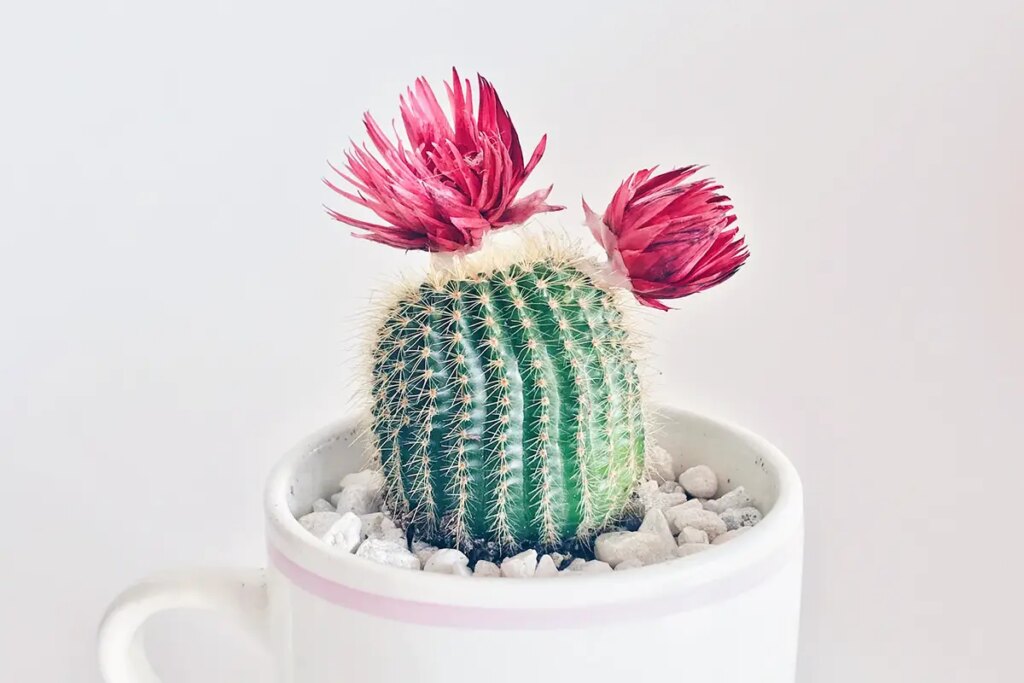
Cacti have captivated enthusiasts and novices alike with their ability to thrive under the harshest of conditions. With these resilient plants, gardeners can experience the joy of cultivating nature’s wonders even in environments that might seem inhospitable.
Embarking on the journey of growing healthy cacti is an exploration of both aesthetic pleasure and ecological intrigue. Below, we will delve into the foundational aspects of cactus care, including optimal conditions, watering practices, and pest management, ensuring a flourishing green companion for years to come.
To cultivate cacti successfully, one must first understand their unique requirements and the distinctive characteristics that enable them to thrive.
Understanding the Natural Habitat of Cacti
Cacti, primarily native to arid regions, possess remarkable adaptations that allow them to conserve water and endure extreme temperatures. The most intriguing aspect of these plants is their ability to store water in their tissues, allowing them to survive long periods without rainfall. This capacity to retain moisture makes them ideal for both indoor and outdoor gardening in diverse climates.
When growing cacti, it is crucial to mimic their natural environment. They flourish in well-draining soil, which prevents roots from sitting in water and ultimately rotting. A mixture of potting soil, perlite, and sand can create an ideal substrate, providing sufficient aeration and drainage.
Furthermore, the placement of cacti plays a vital role in their overall health. These succulents prefer bright sunlight, thriving in direct light for most of the day. If positioning indoors, select south or west-facing windows to ensure they absorb ample sunlight, ideally for six to eight hours a day. Outdoor enthusiasts might consider a sheltered spot that remains sunny yet protected from the harshest elements.
Mastering Watering Techniques
One of the most common pitfalls in cactus cultivation is improper watering. Unlike traditional houseplants that thrive on consistent moisture, cacti demand a more measured approach. The key lies in understanding their needs based on seasonal changes and the specific variety being cultivated.
During the growing season, typically from spring to early fall, cacti benefit from regular watering, allowing the soil to dry out completely between sessions. A good rule of thumb: when the top inch of the soil feels dry, it’s time to water. It is essential to soak the soil thoroughly, ensuring water drains out of the bottom of the pot—this method encourages root health and development.
As winter approaches, most cacti enter a dormant phase and require significantly less water. Reducing the frequency of watering during this time prevents excess moisture, which could invite decay and stress. Always be attentive to the specific needs of your cactus variety, as some, like the popular Easter cactus, may demand more moisture even during dormancy.
Nurturing and Nutrition for Your Cacti
While cacti are often celebrated for their hardiness, they can also benefit from fertilization, particularly in the growing season. A diluted, balanced fertilizer can enhance their growth, gifting them vibrant colors and robust structures. Look for a cactus-specific formula high in potassium and phosphorus, which supports flowering and fruiting processes.
Applying fertilizer every four to six weeks during the growing season can significantly enhance plant vitality. However, beware of over-fertilization, which can hinder their growth and detract from their natural charm. Most cacti thrive with minimal nutrients, so less is often more.
Recognizing and Combating Potential Pests
Despite their resilience, cacti are not immune to pests. Common visitors, such as mealybugs, spider mites, and scale insects, can potentially cause severe harm if left unaddressed. Early detection is crucial—for instance, mealybugs often appear as white, cotton-like substances on the plant, while spider mites may present fine webbing around the plant surface.
The most effective measures involve both prevention and control. Keeping your cacti clean by gently wiping them with a damp cloth can thwart these pests before they become a problem. In the event of an infestation, dilute rubbing alcohol can serve as an effective natural pesticide. Using a cotton swab, apply the alcohol directly to the affected areas, ensuring to treat not only the visible pests but also the surrounding soil to eliminate any eggs.
Creating the Right Environment: Pots and Placement
The choice of pot is equally critical in your cactus’s success. Terracotta pots are preferred because they are porous, allowing excess moisture to evaporate, thus preventing root rot. Look for pots with drainage holes to facilitate proper water flow and air circulation.
As you nurture your cactus, keep in mind that their growth through the years can be a visually stunning addition to your landscape. With time, many varieties develop unique textures and forms, transforming them into captivating focal points in any home or garden.
In wrapping up, the adventure of growing cacti offers immense gratification filled with vibrant colors and extraordinary forms. By understanding their core needs—lighting, watering, nutrition, and pest management—beginner gardeners can cultivate an array of healthy cacti that will grace their spaces with beauty and character for years to come. With patience and care, your journey into the realm of cacti can blossom into an enriching experience. Embrace this fascinating pursuit of growing cacti from scratch and let their extraordinary charm underscore your living space.
FAQ
How often should I water my cactus?
Water your cactus when the top inch of soil is dry, typically every 1-2 weeks during the growing season, and reduce watering significantly during winter dormancy.
What type of soil is best for cacti?
A well-draining mix of potting soil, perlite, and sand is ideal to prevent root rot and mimic their natural arid habitat.
Can cacti grow indoors with limited sunlight?
Cacti prefer bright direct sunlight for 6-8 hours; placing them near south or west-facing windows helps indoor growth, but some species tolerate lower light better.
How do I prevent pests on my cacti?
Keep your cacti clean by wiping with a damp cloth regularly and treat infestations early with diluted rubbing alcohol on affected areas.
Should I fertilize my cactus?
Yes, during the growing season apply a diluted, balanced cactus fertilizer high in potassium and phosphorus every 4-6 weeks.
Leave a Reply