

Short Answer
Few plants command the imagination quite like the cactus. With its stoic resilience against the scorching sun and its silent defiance of arid landscapes, this spiky sentinel has woven itself into the tapestry of human storytelling across continents. From the sun-baked plains of the American Southwest to the ancient trade routes of North Africa, the cactus has been more than a survivor—it has been a symbol, a teacher, and a character in myths that echo through time. Its prickly exterior belies a rich inner world of legend, where it has guarded secrets, healed wounds, and even danced in the moonlight. Let’s embark on a journey through the prickly lore of the cactus, exploring the tales that have sprouted from its thorns and the wisdom it has imparted to cultures around the globe.
The Cactus as a Guardian of the Desert: Myths of Protection and Survival
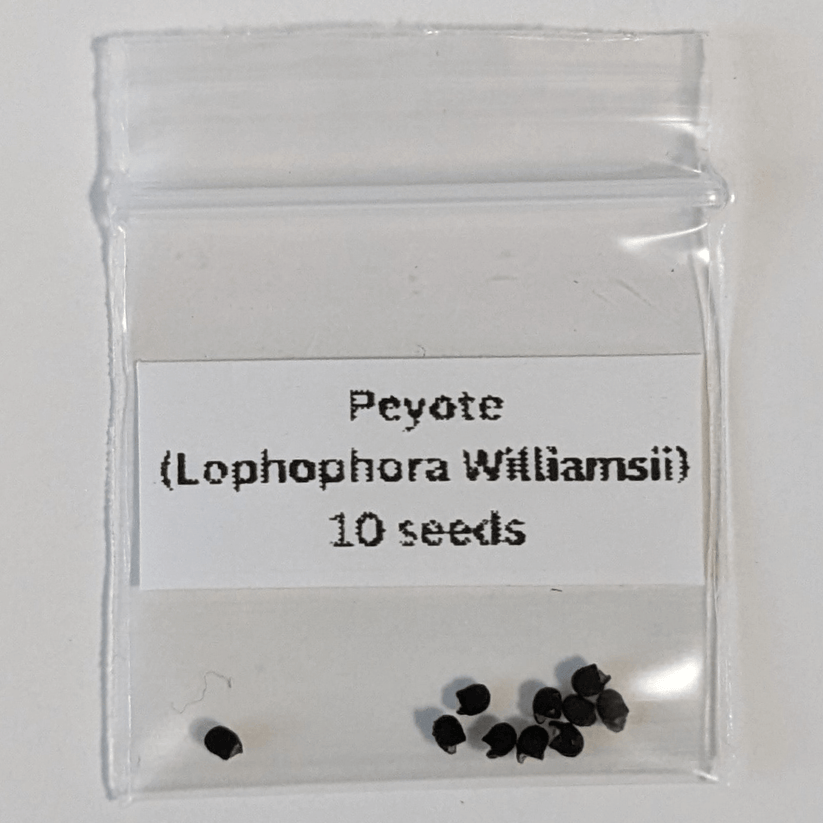
The desert does not forgive. It tests. And in this crucible of endurance, the cactus stands as an unyielding sentinel, its silhouette etched against the horizon like a silent vow. In the oral traditions of the indigenous peoples of the Americas, the cactus is often depicted as a protector, a living barrier against the malevolent spirits that prowl the wasteland. The peyote, a small, spineless cactus native to northern Mexico and the southwestern United States, holds a sacred place in these narratives. According to the Huichol people of Mexico, peyote is not merely a plant but a divine messenger, a bridge between the earthly and the spiritual realms. Their pilgrimages to harvest peyote are steeped in ritual, where the cactus is revered as a guide that illuminates the path to enlightenment. To the Navajo, the cactus is a sentinel against the yee naaldlooshii, the skinwalkers—shape-shifting witches who lurk in the shadows. Placing a cactus near one’s dwelling was believed to ward off these malevolent entities, its spines acting as a physical and spiritual deterrent.
Yet, the cactus’s role as a guardian extends beyond the Americas. In the arid expanses of the Sahara, the Euphorbia genus of cacti-like plants has been mythologized as a defender against the jinn, supernatural beings of Islamic folklore. Travelers would plant these spiky sentinels around their campsites, believing their thorns would ensnare the mischievous jinn, preventing them from disturbing the night’s rest. The cactus, in these tales, is not just a plant—it is a silent ally, a living fortress against the unknown.
The Cactus in Love and Longing: Romantic Legends and Heartfelt Symbolism
Love, they say, is a thorny path. And what better metaphor for romance than the cactus, a plant that blooms only under the most trying conditions? In the folklore of the Andes, the quisuar, a towering cactus native to the high-altitude deserts, is woven into tales of unrequited love and enduring passion. One legend tells of a young woman named Qispi, who waited for her beloved beneath the shadow of a quisuar for seven years. Her tears, the story goes, watered the cactus until it burst into a riot of flowers, a testament to the unyielding nature of true love. The flowers, though fleeting, became symbols of hope and perseverance, reminding lovers that even in the harshest conditions, beauty can emerge.
Across the Atlantic, in the sun-drenched valleys of Sicily, the prickly pear cactus, or fico d’India, carries a more bittersweet legend. It is said that the cactus was once a beautiful maiden named Fica, who was cursed by a jealous sorceress to become a plant, her skin transformed into spines. Her lover, a humble shepherd, would visit her daily, placing his hat upon her branches as a sign of devotion. To this day, Sicilians plant prickly pears near their homes, believing that the cactus brings fidelity and protection to marriages. The fruit, sweet and fleeting, serves as a reminder that love, like the cactus, requires patience and care to flourish.
The Cactus as a Healer: Medicinal Myths and Shamanic Traditions
In the realm of medicine, the cactus has long been a cornerstone of traditional healing practices. The San Pedro cactus, native to the Andes, has been used for centuries by shamans in Peru and Ecuador to induce visions and heal the sick. According to Andean cosmology, the cactus is a conduit to the spirit world, its mescaline-rich brew allowing practitioners to commune with the Apus, the mountain spirits. Shamans would ingest the cactus in sacred ceremonies, believing its power could cleanse the body of illness and restore balance to the soul. The cactus, in this context, is not merely a plant—it is a pharmacopeia, a living apothecary of ancient wisdom.
In Mexico, the nopal, or prickly pear cactus, is steeped in medicinal lore. Aztec healers used its pads to treat burns, wounds, and digestive ailments, while its fruit was prized for its ability to regulate blood sugar. One legend tells of a healer who discovered the cactus’s power after witnessing a wounded eagle recover after consuming its fruit. The eagle, a symbol of strength and resilience, became a totem of the cactus’s healing properties. Today, nopal remains a staple in Mexican folk medicine, its mucilaginous pads a testament to the cactus’s enduring role as a healer.
The Cactus in Folklore and Festivals: Celebrating the Prickly Protagonist
From Mexico to Morocco, the cactus takes center stage in vibrant festivals that celebrate its cultural significance. In Oaxaca, Mexico, the Noche de Rábanos (Night of the Radishes) features intricately carved radishes, but the cactus is never far from the festivities. The maguey cactus, in particular, is honored during the Día de los Muertos, where its fibers are used to create papel picado banners that flutter in the breeze, guiding the spirits of the departed back to the world of the living. The cactus, in this context, is a bridge between the living and the dead, a symbol of continuity and remembrance.
In the Atlas Mountains of Morocco, the cactus fig is celebrated during the Moussem of Sidi Ali, a festival honoring the Sufi saint Sidi Ali. Locals gather to harvest the fruit, which is believed to possess protective qualities. The cactus, in this tradition, is a symbol of abundance and resilience, its fruit a gift from the earth to sustain the community through the harsh winter months. The festival is a riot of color and music, with the cactus at its heart, a living testament to the enduring bond between humans and the natural world.
The Cactus as a Trickster: Mischievous Tales and Cautionary Fables
Not all cactus tales are solemn or sacred. In the folklore of the American Southwest, the cactus has a mischievous side, often playing the role of a trickster who outwits humans and animals alike. One such tale tells of a coyote who, hungry and desperate, attempts to eat a barrel cactus. The cactus, however, is no passive victim. It clings to the coyote’s mouth with its spines, forcing the trickster to dance in agony until he finally frees himself, vowing never to underestimate the cactus again. In another story, a group of children play a prank on a cactus by pelting it with stones. The cactus, in retaliation, releases a cloud of pollen that blinds the children, teaching them a lesson in respect for nature’s defenses.
In Australian Aboriginal lore, the spinifex grass, which resembles a cactus in its resilience, is featured in tales of the Rainbow Serpent, a powerful creator-being. The serpent, angered by the disrespect of humans, transforms the land into a barren wasteland, save for the spinifex, which it spares as a reminder of the consequences of greed. The cactus, in these stories, is a moral compass, a plant that rewards reverence and punishes hubris.
The Cactus in Modern Myths: From Desert Icon to Global Symbol
In the modern era, the cactus has shed its purely folkloric roots to become a global symbol of resilience, sustainability, and even rebellion. The saguaro cactus, with its towering arms reaching toward the sky, has been adopted as an emblem of the American West, its silhouette gracing everything from roadside motels to corporate logos. In Japan, the cactus has found a place in kawaii culture, its prickly exterior softened into adorable plush toys and stationery, a testament to its ability to transcend cultural boundaries.
Even in the realm of science fiction, the cactus has taken on new mythic proportions. In Frank Herbert’s Dune, the spice melange, harvested from the desert planet Arrakis, is a substance of immense power, much like the peyote cactus in real-world traditions. The cactus, in these modern myths, remains a symbol of the unknown, a plant that thrives where others cannot, a reminder that even in the harshest environments, life finds a way.
FAQ
What is the significance of the peyote cactus in indigenous cultures?
Peyote is regarded as a divine messenger and spiritual guide used in rituals to connect with the spiritual realm.
How is the prickly pear cactus associated with love?
It features in romantic legends symbolizing fidelity and enduring love, especially in Sicily and the Andes.
Which cactus is used in traditional healing ceremonies in the Andes?
The San Pedro cactus is used by shamans for its mescaline content to induce healing visions.
What festivals celebrate the cactus?
Festivals like Mexico’s Día de los Muertos and Morocco’s Moussem of Sidi Ali honor the cactus for its cultural and spiritual importance.



Leave a Reply