

Short Answer
Have you ever wondered which cactus reigns supreme as the most famous in the world? What makes a cactus transcend its prickly existence to become an iconic symbol, stitched into the tapestry of global culture and geography? Beyond their stoic stillness and desert resilience, some cacti have achieved legendary status, boasting locations that are as visually stunning as they are rich in story. But here’s a playful challenge for your imagination: can a simple desert plant embody the spirit of entire regions, enchant photographers, inspire artists, and beckon travelers from across the globe? Let’s embark on an intriguing journey to uncover the world’s most renowned cactus and the iconic places where it thrives, standing tall as a monument of nature’s artistry and endurance.
The Majestic Saguaro: Sentinel of the Sonoran Desert
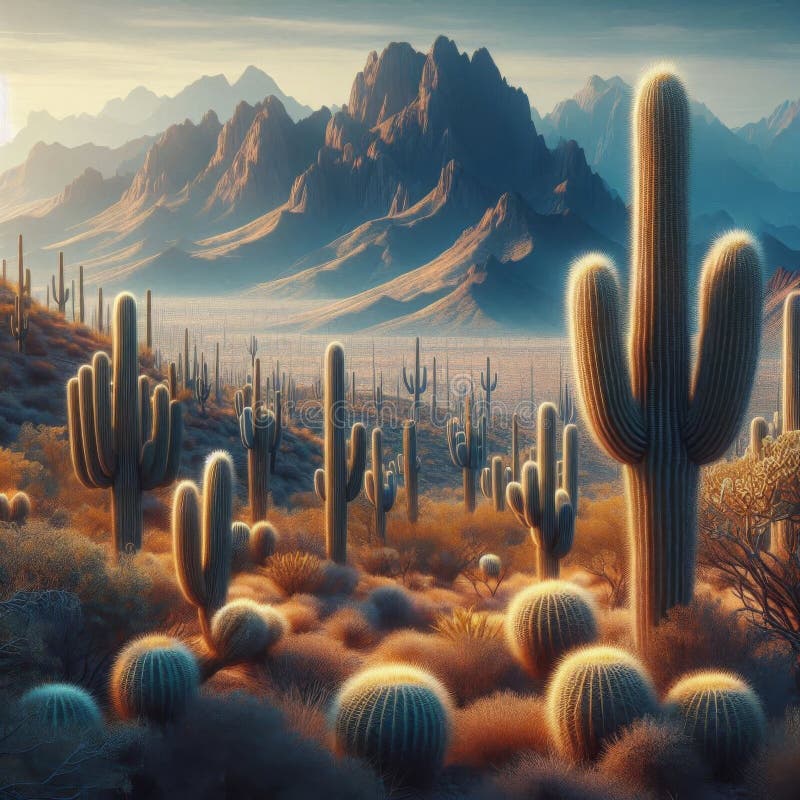
Few cacti can match the grandeur and cultural significance of the Saguaro (Carnegiea gigantea). Towering up to 40 feet in height, this colossal cactus is not just a botanical marvel but an emblem of the American Southwest’s rugged beauty. Its sprawling arms, reaching skyward like ancient, knobby fingers, have become an indelible symbol in the landscape of Arizona and northern Mexico, often gracing everything from Hollywood westerns to tourist postcards.


The Saguaro’s slow growth—sometimes only an inch in the first eight years—only adds to its mystique. Protecting this delicate giant is essential, as it supports a vast ecosystem: it provides nesting sites for the Gila woodpecker and the elf owl, and its pleated skin stores precious water to endure prolonged droughts. Iconic locations like Saguaro National Park near Tucson offer visitors an immersive experience into this otherworldly desert biome.
The Organ Pipe Cactus: Sculptural Wonder and Natural Monument
Channeling an almost sculptural, architectural grandeur, the Organ Pipe cactus (Stenocereus thurberi) is celebrated for its columnar clusters reminiscent of a grand cathedral pipe organ. Listed as a UNESCO Biosphere Reserve in Sonora, Mexico, this cactus forms dense stands, creating surreal landscapes that thrill botanists and hikers alike.

The Organ Pipe’s iconic status stems not only from its distinctive shape but its role in indigenous cultures and desert ecology. It blooms with fragrant flowers at night, attracting nocturnal pollinators like bats, a delicate dance essential for the survival of desert flora. Visiting the Organ Pipe Cactus National Monument on the U.S.-Mexico border offers a rare opportunity to witness this botanical titan in a protected wild setting, rich with desert wildlife and sweeping vistas.
The Prickly Pear: The Versatile, Global Icon
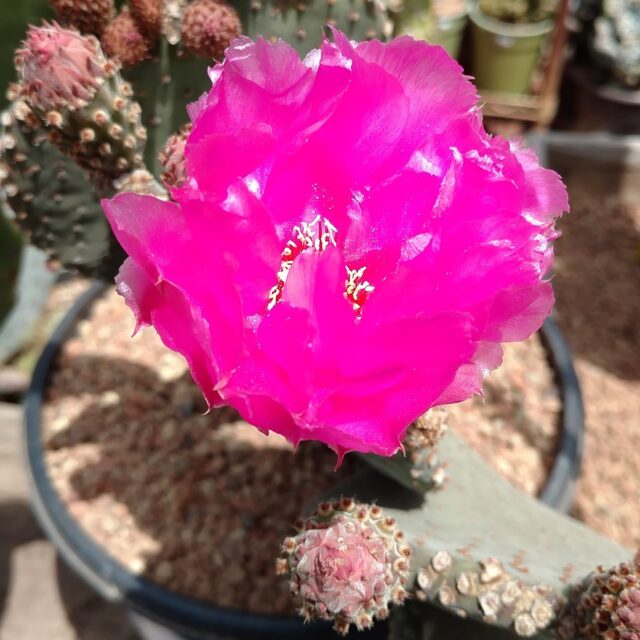
Unlike the towering giants of Sonora or Arizona, the Prickly Pear (Opuntia spp.) is celebrated for its versatility and widespread presence. Native to the Americas but now naturalized in arid and semi-arid climates worldwide, Prickly Pear cacti have a distinct charm—flat, paddle-like cladodes adorned with clusters of spines, delicate yellow or magenta flowers, and edible fruit known as “tunas.”

Its iconic status is cemented not only by its ecological importance but by its cultural and culinary roles. In Mexico, prickly pear fruits and pads are staples in traditional dishes; in the Mediterranean, they line rural landscapes and inspire artisan crafts. Its ability to adapt—thriving in diverse climates from the Arizona desert to Mediterranean coasts—makes it a global cactus ambassador beloved by gardeners and foragers alike.
Iconic Locations Beyond the Southwestern U.S.: Global Cactus Fame
While the American Southwest is synonymous with cacti, iconic spiny guardians also thrive in equally captivating settings worldwide. The Atacama Desert of Chile, one of the driest places on Earth, features rare giant cactus species that defy the harsh climate. Similarly, the Canary Islands on the Atlantic Ocean boast impressive Euphorbia species often mistaken for cacti but sharing similar ecological niches and charismatic forms.
Travelers exploring these regions are treated to otherworldly landscapes where cacti punctuate the horizon like nature’s sculptures. These locales are not just destinations—they are living galleries where evolution’s dramatic creativity plays out against backdrops of arid beauty and resilience.
Why Does the Most Famous Cactus Capture Our Collective Imagination?
What makes a cactus leap beyond botanical interest into the realm of cultural iconography? Perhaps it’s their paradoxical nature—on one hand, they are tough survivors, thriving where few others can. On the other, their forms are astonishingly elegant and varied, sometimes delicate, sometimes monumental. This duality stirs something deep within human creativity: admiration for endurance coupled with awe at unexpected beauty.
Moreover, these plants anchor folklore and art, inspiring indigenous myths and modern narratives. The solitary silhouette of a saguaro at sunset doesn’t just symbolize the desert; it evokes solitude, rugged independence, and timelessness. Cacti are nature’s storytellers—silent yet powerful agents of place.
Challenges Faced by Iconic Cacti and Conservation Efforts
Despite their hardy reputation, the world’s most famous cacti face increasing threats. Urban sprawl, illegal collection, climate change, and invasive species jeopardize their survival. Saguaro populations, for example, have shown reduced regeneration rates due to unpredictable rainfall patterns and habitat fragmentation.
Conservation initiatives have stepped forward with vigor—national parks, protected reserves, and community engagement programs seek to preserve these botanical icons. Education on sustainable tourism practices also plays a crucial role, ensuring that admirers can experience the majestic cacti in their natural grandeur without compromising their future.
Visiting Iconic Cactus Locations: A Guide to Experiencing Their Grandeur
For the avid traveler, few adventures offer as much enchantment as walking among towering cacti bathed in the warm glow of desert light. Iconic locations like Saguaro National Park, Organ Pipe Cactus National Monument, and the deserts of Sonora provide curated trails, interpretive centers, and guided tours that illuminate the ecological and cultural significance of these plants.
Seasonality matters—the flowering period, generally in late spring or early summer, transforms the desert into a vibrant tapestry of soft blossoms and buzzing pollinators. Early morning and dusk hikes reveal the desert’s elusive wildlife, adding layers of natural theater to your cactus pilgrimage.
Which cactus will capture your heart? Will you be entranced by the noble saguaro, enchanted by the cathedral-like Organ Pipe, or drawn to the ubiquitous elegance of the prickly pear? Steep yourself in the stories that spines tell, and discover why these iconic desert dwellers remain unforgettable symbols of nature’s resilience and wonder.
FAQ
What is the most famous cactus in the world?
The Saguaro cactus is often regarded as the most famous cactus, symbolizing the American Southwest.
Where can I see the Saguaro cactus?
You can see the Saguaro cactus primarily in Saguaro National Park in Arizona.
What makes the Organ Pipe cactus unique?
The Organ Pipe cactus is known for its distinctive columnar clusters and is a UNESCO Biosphere Reserve.


Leave a Reply