
Short Answer
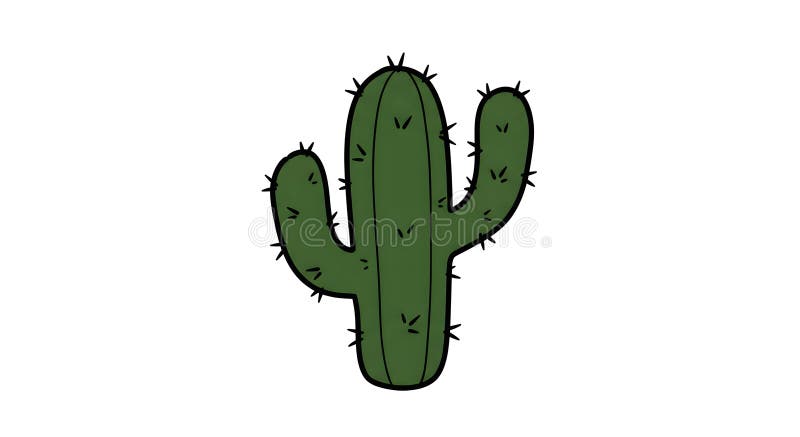
There’s an unmistakable allure in the way a single, unexpected element can transform an entire aesthetic. Picture this: a soft, flowing pashmina scarf draped over your shoulders, its fabric whispering of distant mountain peaks and ancient trade routes, only to be juxtaposed with the rugged silhouette of a cactus—prickly, resilient, and unapologetically bold. This fusion isn’t just a visual paradox; it’s a sartorial rebellion, a quiet assertion that nature’s extremes can coexist in harmony. The desert’s tenacity and the scarf’s elegance might seem worlds apart, yet together, they craft a narrative of strength and grace that resonates deeply in the modern wardrobe.
The Desert’s Paradox: Why Cacti Captivate the Imagination
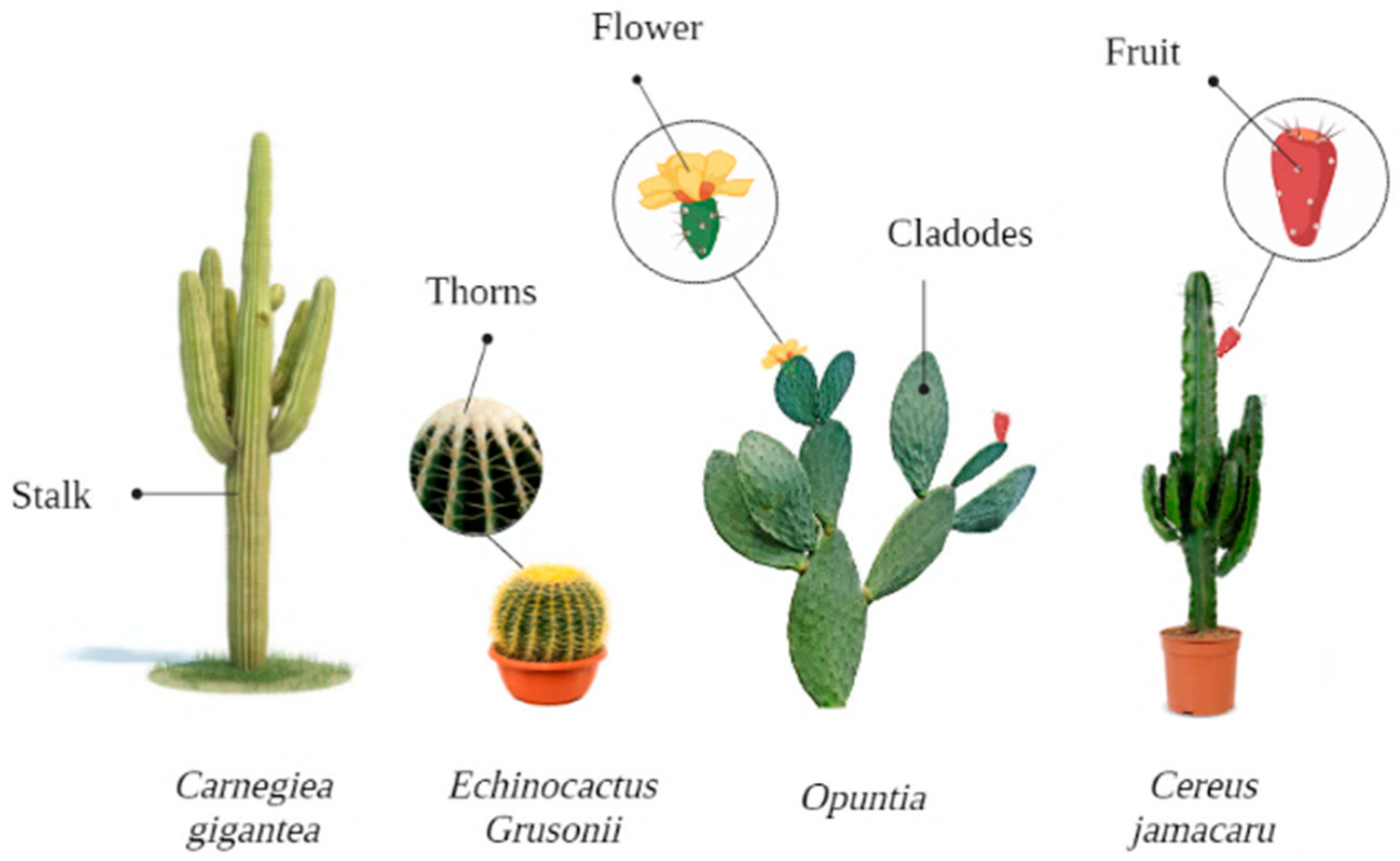
The fascination with cacti extends far beyond their prickly exteriors. These plants are survivors, thriving in conditions that would wither most life—scorching sun, parched earth, and relentless winds. Their very existence is a testament to adaptation, a quality that humans have long romanticized. The cactus embodies resilience, a trait that resonates in an era where endurance is both a necessity and a virtue. Yet, there’s a softer side to these desert dwellers. The delicate blooms of a night-blooming cereus or the velvety texture of an epiphyllum’s petals reveal a hidden tenderness beneath their spiny armor. This duality—hard and soft, fierce and fragile—mirrors the complexities of human nature, making cacti more than mere plants; they are symbols of paradoxical beauty.
Cultural narratives have further cemented the cactus’s place in our collective psyche. In Mexican folklore, the cactus is a guardian, a plant that offers sustenance and protection. In Western design, it’s often wielded as a motif of the exotic, a nod to the untamed beauty of arid landscapes. This dual role—as both a provider and a symbol of the wild—grants the cactus an almost mythic status. It’s no wonder that fashion has begun to flirt with this iconography, weaving its prickly charm into the fabric of everyday style.
Scarves as Canvases: The Art of Wearing the Desert
A scarf is more than an accessory; it’s a portable canvas, a way to drape oneself in stories and sensations. When adorned with cactus motifs, it becomes a wearable ode to the desert’s stark elegance. The contrast is striking: the scarf’s fluidity softens the cactus’s angular lines, while the plant’s ruggedness lends the fabric a sense of groundedness. This interplay creates a visual tension that’s both striking and sophisticated. Imagine a silk pashmina, its edges embroidered with delicate cactus silhouettes, catching the light as you move. The effect is effortless yet intentional, a quiet rebellion against the monotony of conventional fashion.
The choice of fabric matters just as much as the design. A lightweight chiffon scarf, printed with watercolor cacti, evokes the ephemeral beauty of a desert sunset. Conversely, a chunky knit shawl, adorned with bold, geometric cactus patterns, channels the raw energy of the Sonoran Desert. Each material and motif tells a different story, allowing the wearer to curate their own desert narrative. Whether draped loosely around the neck or knotted with precision, the scarf becomes a bridge between the wearer and the wild, a way to carry the desert’s spirit into urban landscapes.
Fashion as a Dialogue: Breaking Stereotypes with Prickly Elegance
Fashion has a history of romanticizing certain aesthetics while sidelining others. The desert, with its harsh beauty and sparse vegetation, has often been relegated to the realm of the exotic or the utilitarian. Yet, when cactus motifs infiltrate high fashion or bohemian streetwear, they challenge these stereotypes. A cactus isn’t just a plant; it’s a statement. It defies the expectation that elegance must be delicate or that strength must be overt. Instead, it offers a third way: a fusion of toughness and tenderness, of wildness and refinement.
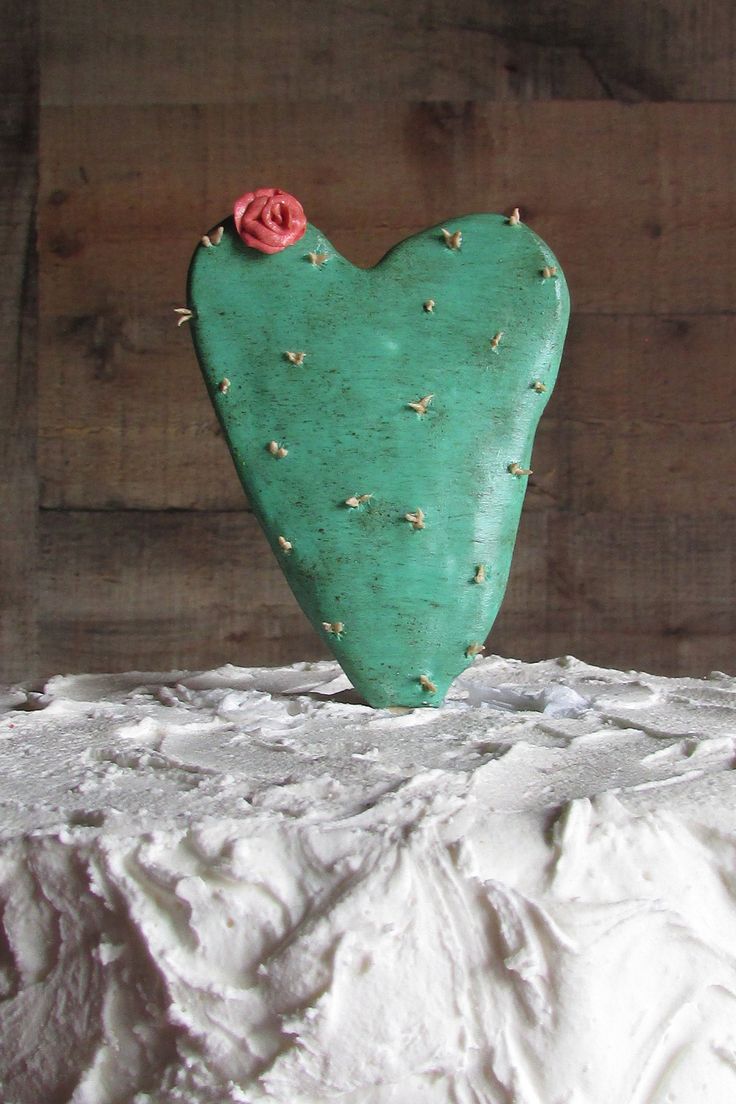
Designers are increasingly tapping into this narrative, using cactus imagery to explore themes of sustainability and resilience. A collection featuring cactus leather—an eco-friendly alternative to traditional materials—highlights the plant’s versatility beyond its ornamental appeal. Meanwhile, accessories like cactus-shaped brooches or belt buckles transform the plant into a conversation piece, sparking dialogues about nature, fashion, and the stories we choose to wear. This isn’t just about aesthetics; it’s about reclaiming the desert’s narrative and presenting it as a source of inspiration rather than mere backdrop.
The Psychology of Prickles: Why We’re Drawn to the Unconventional
There’s a psychological undercurrent to our fascination with cacti and their integration into fashion. The prickles, often perceived as a deterrent, paradoxically draw us in. They represent a challenge, a reminder that beauty isn’t always soft or accessible. This duality taps into a deeper human curiosity—the allure of the forbidden, the thrill of the unconventional. Psychologists might argue that our attraction to prickly elements stems from a subconscious admiration for resilience, a trait we aspire to embody in our own lives.
Moreover, the cactus’s association with arid landscapes evokes a sense of escape. In a world that’s increasingly urbanized and controlled, the desert represents a space of freedom, of raw and untamed beauty. Wearing a cactus motif isn’t just a fashion choice; it’s a form of escapism, a way to carry a piece of that wildness with us. It’s no coincidence that the rise of desert-inspired fashion coincides with a growing collective yearning for connection to nature, even in the most artificial of environments.
Styling the Desert: Practical Tips for Incorporating Cactus Motifs
Incorporating cactus-inspired elements into your wardrobe doesn’t require a complete overhaul. Start small: a scarf with a subtle cactus print can add a touch of intrigue to a neutral outfit, while a statement piece like a cactus-embroidered jacket can elevate a simple ensemble. For the bold, consider accessories like cactus-shaped earrings or a belt with a prickly buckle. The key is balance—pairing the ruggedness of the cactus with softer elements to create a cohesive look.
Color plays a crucial role in styling desert-inspired fashion. Earthy tones like terracotta, sage green, and sandy beige evoke the natural hues of the desert, while pops of vibrant pink or coral can mimic the unexpected bursts of color found in a cactus bloom. Textures matter too; pairing a smooth silk scarf with a rough-hewn leather jacket creates a tactile contrast that mirrors the desert’s diverse landscapes. Don’t shy away from mixing patterns either—a geometric cactus print can stand out against a striped or floral backdrop, creating a dynamic visual effect.
For those who prefer a more understated approach, consider the cactus’s symbolic qualities rather than its literal representation. A scarf in muted tones, with a barely-there cactus motif, can convey resilience without shouting for attention. Alternatively, a monochromatic outfit punctuated by a single cactus-themed accessory can make a subtle yet impactful statement. The goal is to let the desert’s spirit shine through, whether in bold strokes or delicate whispers.
The Future of Desert Fashion: Sustainability and Innovation
As fashion continues to evolve, the integration of desert-inspired elements is poised to take on new dimensions. Sustainability is at the forefront of this movement, with designers exploring innovative materials like cactus leather and recycled fibers to reduce environmental impact. The cactus, with its minimal water requirements and hardy nature, is an ideal candidate for eco-conscious fashion. Its cultivation doesn’t compete with food crops, making it a sustainable resource for everything from textiles to packaging.
Innovation extends beyond materials. Digital fashion, too, is embracing desert aesthetics, with virtual garments featuring cactus motifs gaining traction in the metaverse. These digital creations allow for limitless experimentation, free from the constraints of physical production. Meanwhile, in the tangible world, collaborations between fashion brands and desert conservation organizations are emerging, highlighting the cactus’s ecological importance and promoting its preservation.
The future of desert fashion isn’t just about aesthetics; it’s about fostering a deeper connection to the natural world. By incorporating cactus motifs and sustainable practices, the fashion industry can challenge its own norms and inspire a more mindful approach to style. It’s a reminder that fashion isn’t just about what we wear—it’s about the stories we tell, the values we uphold, and the worlds we choose to bring into our lives.
FAQ
How can I incorporate cactus motifs into my wardrobe?
Start with accessories like scarves or earrings featuring cactus designs, and mix them with neutral or earthy tones.
What does the cactus symbolize in fashion?
The cactus symbolizes resilience and beauty in harsh environments, making it a powerful motif in contemporary fashion.

Leave a Reply