
Short Answer
In the ever-evolving tapestry of sustainable fashion, a prickly yet promising protagonist has emerged from the deserts of innovation: the humble cactus. Once relegated to the role of a mere desert dweller, this resilient plant is now sprouting into the limelight of eco-conscious design, weaving its way into the very fabric of upcycled fashion. As the world grapples with the environmental toll of fast fashion, designers are turning to the cactus—not just as a material, but as a symbol of transformation, resilience, and boundless creativity. This green revolution is not merely about saving the planet; it’s about reimagining beauty, ethics, and style in ways that are as audacious as they are sustainable.
The Cactus Renaissance: A Material Revolution in Textiles
Imagine a material so versatile that it can be transformed into supple leather, sturdy fabrics, and even delicate lace—all while requiring a fraction of the resources of traditional textiles. Enter cactus leather, a marvel of biofabrication that is rewriting the rules of fashion. Derived from the leaves of the Opuntia cactus, this material is cultivated with minimal water, no pesticides, and a carbon footprint so small it’s almost laughable in comparison to cowhide. The process is as ingenious as it is sustainable: the cactus is harvested, its leaves are crushed and processed into a pulp, and through a series of chemical-free treatments, it’s transformed into a material that mimics the texture and durability of animal leather.
But the magic doesn’t stop there. Cactus leather is biodegradable, meaning that when it eventually returns to the earth, it does so without leaving behind a toxic legacy. This is fashion that doesn’t just tread lightly—it dissolves into the soil like morning dew. Designers are already harnessing its potential, crafting everything from statement handbags to avant-garde jackets that challenge our perceptions of luxury. The cactus, it seems, is not just a plant; it’s a textile alchemist, turning scarcity into abundance and waste into wonder.
Upcycling Meets Cactus: The Art of Reinvention
Upcycling has long been the darling of sustainable fashion, but when paired with cactus-based materials, it becomes something far more radical: a creative rebellion against the throwaway culture that has defined the industry for decades. Picture this: a discarded denim jacket, its seams frayed and its patches faded, is reborn as a cactus-leather corset, its edges adorned with delicate embroidery made from repurposed threads. Or consider a pair of worn-out boots, their soles cracked and their leather cracked, transformed into a pair of cactus-fiber espadrilles, their soles woven with threads dyed using natural cactus pigments. These are not just garments; they are manifestos of sustainability, each stitch a defiance of the linear fashion economy.
The beauty of cactus upcycling lies in its unpredictability. Unlike traditional recycling, which often strips materials of their original character, upcycling celebrates imperfection. A cactus leather bag might bear the faint scars of its previous life as a car seat or a sofa, its surface a palimpsest of stories waiting to be told. This is fashion that wears its history proudly, a tangible reminder that every piece has a past, a present, and a future. Designers are embracing this philosophy with gusto, creating collections that are as much about narrative as they are about aesthetics. In a world where fast fashion erases identity, cactus upcycling is a reclamation of individuality.
From Runway to Reality: The Cactus Aesthetic Takes Center Stage
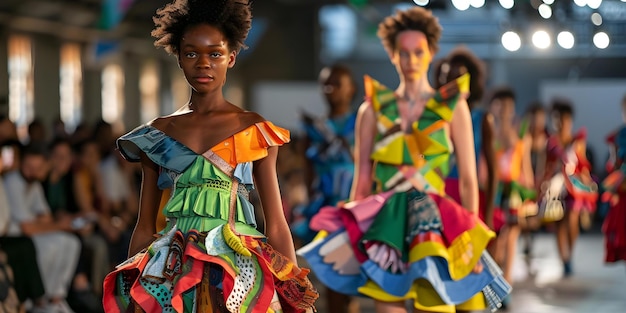
The runway has always been the proving ground for fashion’s most daring ideas, and the cactus aesthetic is no exception. Designers are increasingly turning to this desert-dwelling muse, infusing their collections with its raw, untamed energy. Think of a collection where cactus leather jackets are paired with flowing, cactus-fiber gowns, their silhouettes evoking the undulating dunes of a sun-scorched landscape. Or imagine a collection where accessories are crafted from the cactus’s own spines, transformed into earrings that shimmer like desert mirages or brooches that resemble miniature cacti in full bloom. These are not just clothes; they are wearable art, a fusion of nature and innovation that challenges the very notion of what fashion can be.
But the cactus aesthetic is more than just a visual spectacle—it’s a philosophical statement. In a world where fashion has often been accused of being extractive and exploitative, the cactus represents a new paradigm: one of regeneration and respect. Designers are not just borrowing from nature; they are collaborating with it, creating pieces that honor the cactus’s resilience while pushing the boundaries of creativity. This is fashion that doesn’t just look good—it does good, a testament to the power of nature-inspired design to transform industries from the ground up.
The Ethical Edge: Why Cactus Fashion is More Than a Trend
In an era where consumers are increasingly demanding transparency and accountability from the brands they support, cactus fashion offers something rare: a moral compass woven into every thread. Unlike conventional leather, which is tied to the environmental devastation of cattle farming and the ethical horrors of factory farming, cactus leather is cruelty-free by design. It requires no animals to be harmed, no forests to be cleared, and no rivers to be poisoned. For the ethical consumer, this is not just a selling point—it’s a necessity.
But the ethical benefits of cactus fashion extend beyond animal welfare. The cultivation of cactus for textiles is a boon for biodiversity, as it requires far less land and water than traditional crops like cotton or flax. In regions plagued by desertification, cactus farming can even help restore degraded land, its deep roots preventing soil erosion and its ability to thrive in arid conditions making it a climate-resilient crop. This is fashion that doesn’t just mitigate harm—it actively heals the planet. For communities struggling with the impacts of climate change, cactus-based textiles offer a lifeline, a way to build sustainable livelihoods without sacrificing the environment.
Moreover, cactus fashion is inherently anti-waste. Because the material is so versatile, it can be used in a myriad of ways, from high-end couture to everyday accessories. This versatility means that designers can experiment with off-cuts and scraps, turning what would otherwise be waste into something beautiful and functional. It’s a closed-loop dream, where every piece of material is valued, and nothing is discarded. In a world drowning in textile waste, this is nothing short of revolutionary.
The Future is Prickly: What’s Next for Cactus Fashion?
The cactus revolution is still in its infancy, but the potential is nothing short of staggering. As technology advances, we can expect to see even more innovative uses for cactus-based materials, from self-healing fabrics that repair themselves to smart textiles that adapt to the wearer’s body temperature. Imagine a cactus-leather jacket that changes color with the seasons, or a dress that purifies the air as you wear it. The possibilities are as limitless as the imagination of the designers working with these materials.
But perhaps the most exciting prospect is the democratization of cactus fashion. As the technology behind cactus leather becomes more accessible, small-scale designers and independent brands will be able to incorporate it into their collections, bringing sustainable fashion to the masses. This is not just a trend—it’s a movement, one that empowers creators and consumers alike to rethink their relationship with fashion. In a world where fast fashion has made clothing disposable, cactus fashion offers a glimmer of hope: a future where what we wear is as kind to the planet as it is to our souls.
The cactus, with its thorns and its tenacity, is more than a plant. It’s a metaphor for the future of fashion—a future that is sustainable, ethical, and breathtakingly creative. As we stand on the precipice of this green revolution, one thing is clear: the desert has spoken, and its message is loud, clear, and beautifully prickly.
FAQ
What is cactus leather?
Cactus leather is a sustainable material made from the leaves of the Opuntia cactus, used as an alternative to animal leather.
How does upcycling relate to cactus fashion?
Upcycling in cactus fashion involves transforming discarded materials into new products, enhancing sustainability and creativity.
What are the environmental benefits of cactus fashion?
Cactus fashion is eco-friendly, requiring less water and land compared to traditional materials, and it promotes biodiversity.




Leave a Reply