
Short Answer
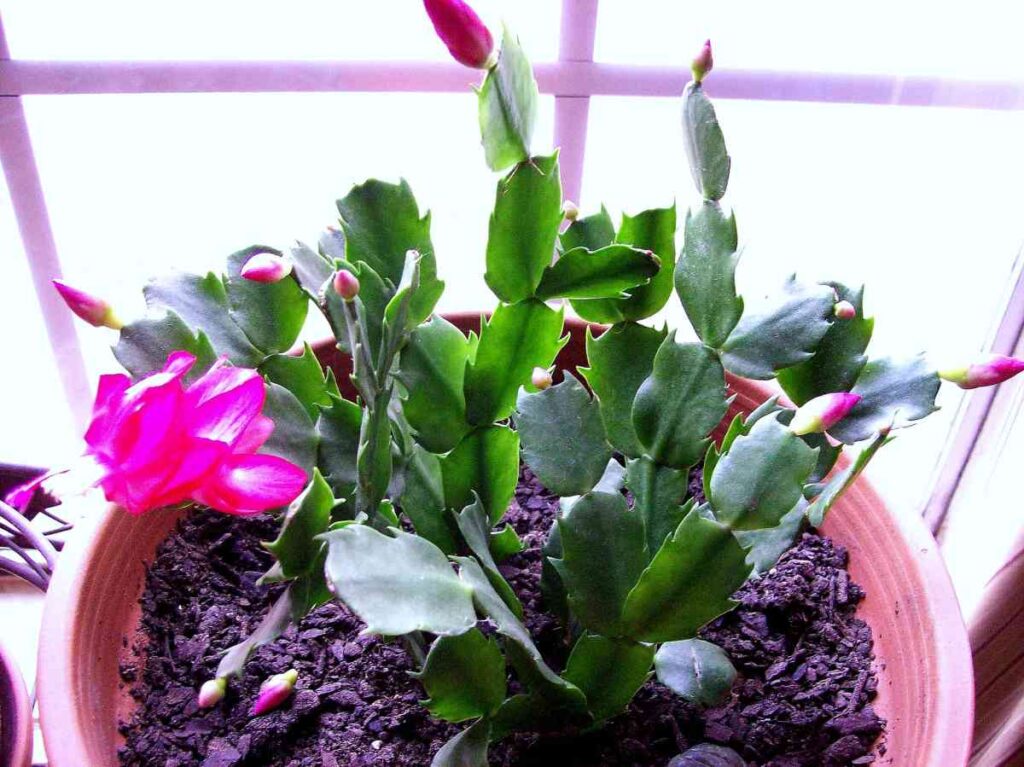
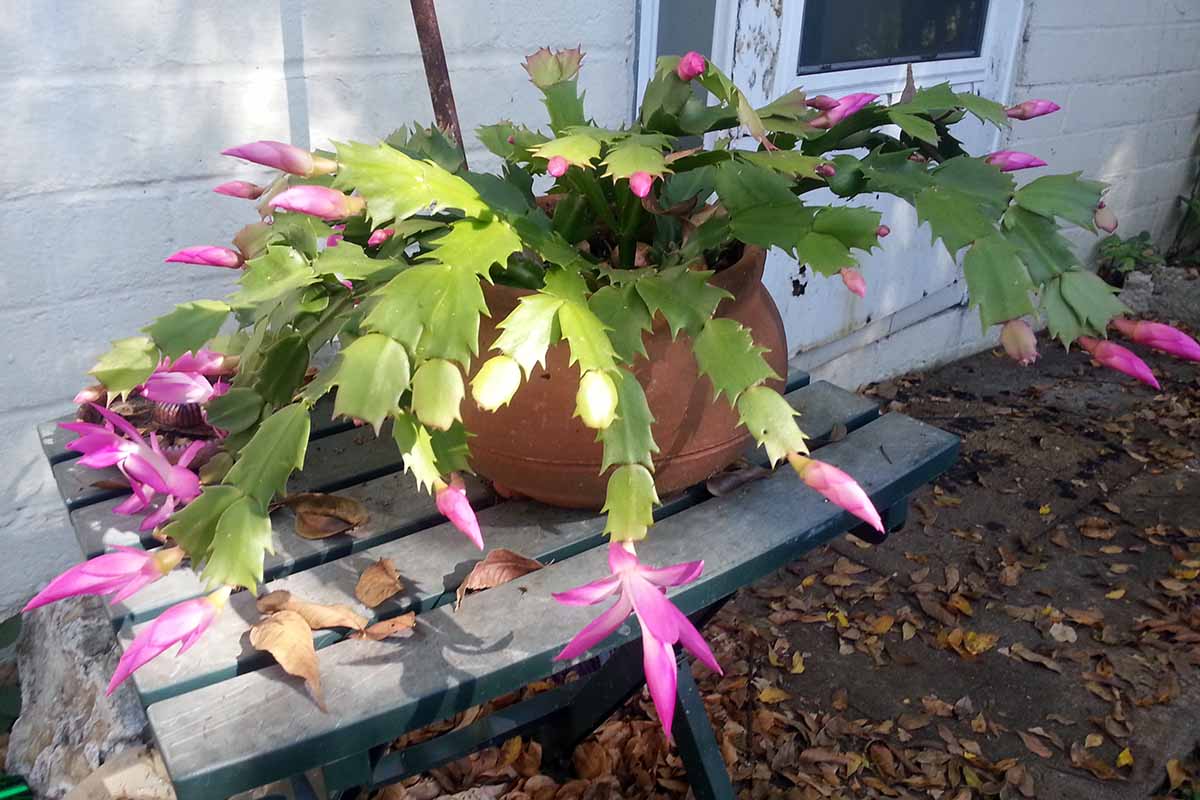
When it comes to inviting the splendid allure of cacti into our homes and gardens, the Christmas cactus (Schlumbergera) stands out with its vibrant blooms and intriguing habits. Often mistaken for a typical desert succulent, this tropical plant originates from the rainforests of Brazil. A common query among gardening enthusiasts is, “Can you plant a Christmas cactus outside?” The answer is multifaceted and urges us to explore both the environmental requirements and potential of this unique species.
Understanding the Christmas Cactus
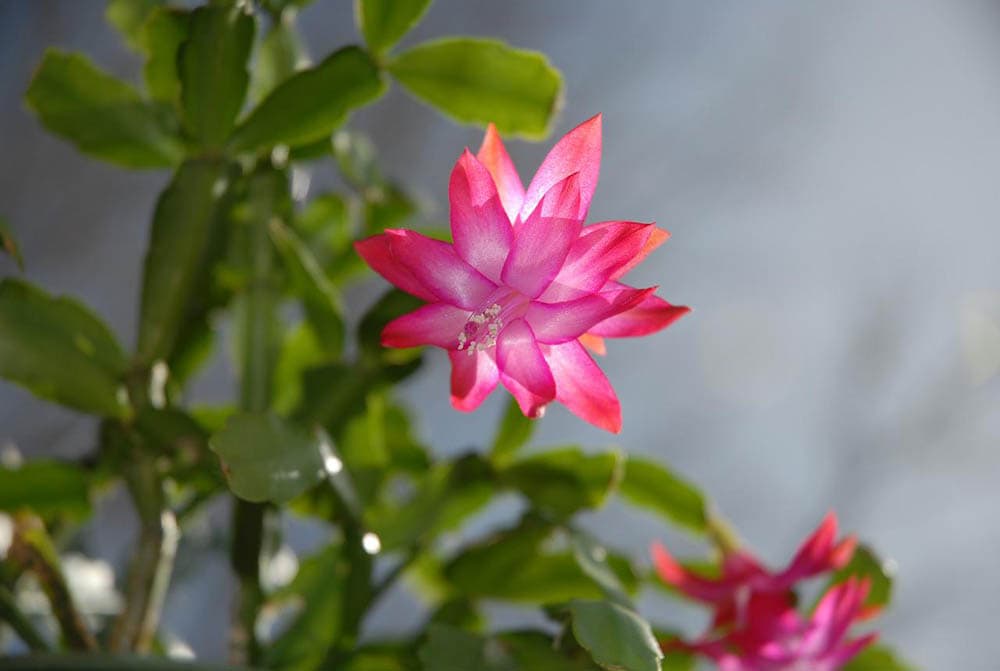
The Christmas cactus, with its vibrant flowers emerging in reds, pinks, and whites during the festive season, captures the hearts of many. However, this plant has specific environmental needs that shape its outdoor viability. Unlike most cacti, it thrives in a humid atmosphere rather than arid conditions. Its natural habitat consists of the understory of rainforests, where it clings to the trunks of trees, thus requiring indirect light and moderate moisture levels. Consequently, planting it outdoors demands consideration of microclimates and environmental conditions.
Can a Christmas Cactus Flourish Outdoors?
The notion of planting a Christmas cactus outdoors evokes a vision of a vibrant garden adorned with its tropical charm. However, the practicality of this idea is contingent upon several factors. First, understanding local climate conditions is vital. Hardiness zones play a significant role in determining where these plants can survive. Christmas cacti thrive well in USDA zones 9 to 11. Regions that experience frost or severe winters pose significant challenges. Therefore, in colder climates, planting such a tropical plant outdoors poses a risk of damage, necessitating careful planning.
Ideal Conditions for Growth
If the climate aligns with the plant’s needs, creating the optimal outdoor environment is essential. Aim for a location that provides dappled sunlight rather than direct exposure to harsh rays, which can scorch the delicate leaves. Additionally, ensuring well-draining soil with organic matter can facilitate healthy growth. Amending the planting site with peat moss or coconut coir may replicate its rainforest home, retaining adequate moisture without becoming waterlogged. Regular monitoring of moisture levels is paramount; outdoor conditions can vary significantly, and the Christmas cactus does not tolerate prolonged drought or water saturation.
Potential Challenges with Outdoor Growth
Seasonal Considerations: Moving Indoors
As charming as it may be to cultivate a Christmas cactus outdoors during temperate months, seasonality necessitates a degree of pragmatism. As temperatures begin to dip, particular care is warranted. Many gardeners recommend bringing the Christmas cactus indoors before the first frost, thus ensuring its survival through winter. This process allows for continued care in a controlled environment, maintaining humidity and light conditions that cater to the plant’s welfare.
Alternative Outdoor Options for Enthusiasts
Conclusion: A Captivating Relationship with Your Garden
FAQ
Can you plant a Christmas cactus outside?
Yes, but only in USDA hardiness zones 9 to 11 where frost is rare. It requires shaded, humid conditions with well-draining soil.
What are the ideal outdoor conditions for a Christmas cactus?
Dappled sunlight, well-draining soil amended with organic matter, moderate moisture, and protection from frost.
Can a Christmas cactus survive frost?
No, frost can seriously damage or kill Christmas cacti. In colder climates, they should be kept indoors or brought inside during winter.
Leave a Reply