
Short Answer
When it comes to botanical nomenclature, the distinctions often blur like the horizon at dusk—a mesmerizing yet perplexing sight. The Century Plant and Agave stand as paragons of this botanical conundrum, often leading enthusiasts astray.
Yet, beneath their shared lineage lies a treasure trove of unique characteristics that define their identities. In the world of succulents, both have carved out a significant niche, resonating with gardeners, artists, and naturalists alike.
Exploring these verdant wonders is akin to traversing the arid landscapes they hail from. With this article, we will delve into the nuances that set Century Plants apart from Agave, unraveling the intricate story of each.
Unraveling the Botanical Enigma: Century Plant and Agave
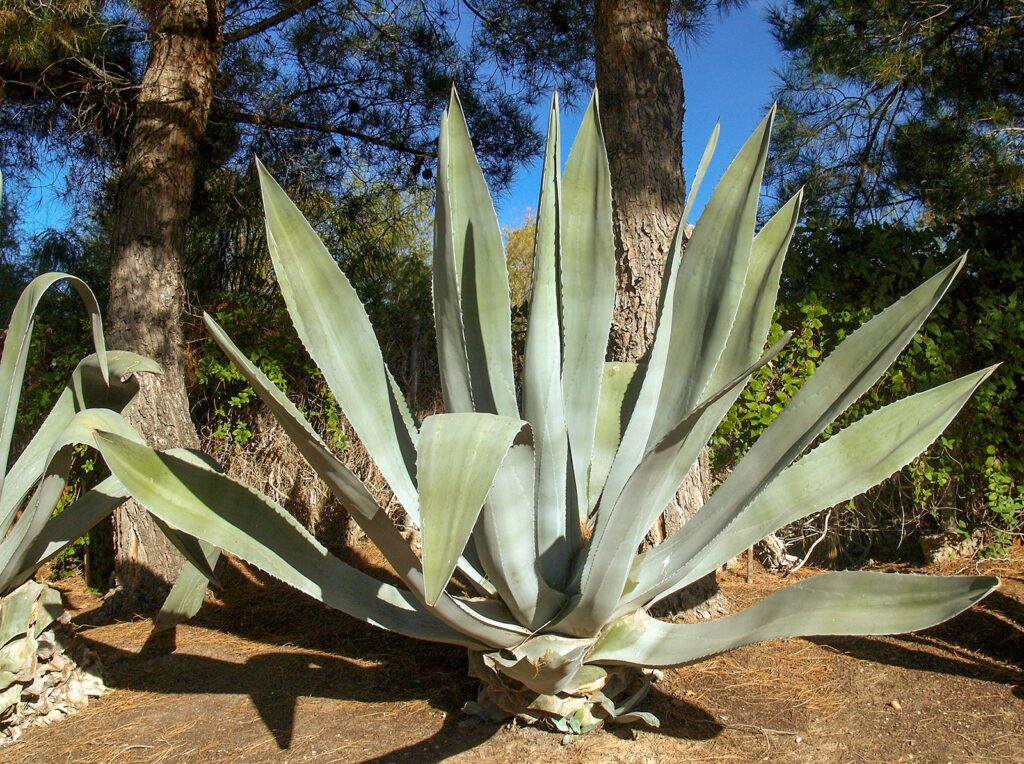
The Century Plant, while colloquially named, is actually a member of the Agave genus. This has led to the prevailing misconception that all Agaves are Century Plants. Rather, the Century Plant refers predominantly to Agave americana, a flagship of the Agave family renowned for its grandiose rosette and striking foliage.
The Agave genus encompasses a broad array of species, each uniquely adapted to thrive in harsh environments. With over 200 varieties, Agaves display an incredible diversity in size, color, and shape, reminiscent of a sprawling art gallery featuring nature’s most exquisite sculptures.
One defining feature that sets the Century Plant apart is its impressive blooming cycle. It is a perennial plant that lives for several years, nurturing its foliage before yielding an extraordinary flower spike that can reach heights of up to 30 feet. This dramatic emergence often occurs after around ten years of diligent growth, hence the name “Century Plant,” though it does not actually live for a century.
In contrast, many other Agave species have distinctly different flowering habits, with some varieties flowering sooner and not achieving the same towering stature.
A Regal Appearance: The Aesthetic Appeal of Century Plant and Agave
In the realm of ornamental horticulture, the visual presence of a plant plays a pivotal role in its desirability. The robust presence of the Century Plant is undeniable, boasting long, spiky leaves that unfurl in a majestic spiral. The foliage often showcases a striking gray-green hue, contrasted by prominent white margins or spines.
As if nature herself had taken up the brush, the plant’s presence commands attention, transforming any landscape into an exotic oasis. Gardeners often use the Century Plant as a focal point, a living sculptural element that evokes a sense of wonder and intrigue.
Agave species, on the other hand, vary widely in their aesthetic forms. For instance, Agave parryi presents a more compact structure with a rosette of short, thick leaves bearing delicate spines at their tips. This contrast in morphology leads to distinct visual elements within ornamental gardens, appealing to diverse tastes and aesthetics.
Moreover, some Agave species, like Agave tequilana, not only captivate the eye but also serve functional purposes in culinary arts, showcasing the multi-faceted role these plants play in our lives.
The Alchemical Allure: Utility and Cultural Significance
Both the Century Plant and the broader Agave family have played significant roles in the cultural tapestry of humanity, particularly in regions where they proliferate. The heart of the Century Plant, when harvested, yields a sweet sap called aguamiel, historically used to produce a fermented beverage known as pulque.
The sap serves as a testament to the plant’s generosity and its integral role in traditional Mexican culture, often being used in rituals and celebrations.
In the grander scope of Agave, the economic implications stretch even further. The blue agave, from which tequila is derived, underscores the allure of these plants beyond the garden, contributing to a multi-billion dollar industry. This alchemical transformation from fiber to spirit encapsulates the profound connection between nature and human ingenuity.
Resilience and Adaptation: The Survival of Century Plants and Agave
In their native habitats—often the arid, sunbaked expanses of the American Southwest—both the Century Plant and its Agave cousins exhibit remarkable resilience. Their thick, fleshy leaves are an evolutionary masterpiece, designed to retain moisture in exceptionally dry conditions.
While the Century Plant mesmerizes with its singular, towering bloom, many Agave species can thrive under diverse conditions and can regenerate even after being extensively pruned. This adaptability showcases their survival strategy in the harsh climates they inhabit, echoing a timeless battle against the odds.
Thus, while they all belong to the Agave genus, the differences between Century Plants and other Agaves delineate a rich narrative of botanical diversity. From aesthetics to utility, their unique characteristics not only enrich our gardens but also remind us of nature’s profound intricacies.
In conclusion, while the Century Plant may captivate many with its singular grandeur, it is essential to recognize that it is merely one of the many shining stars in the expansive galaxy of Agave. Each species contributes its own distinctive appeal to the botanical landscape, inviting us to explore the myriad wonders of nature. The connection between these magnificent plants and cultures around the world reveals a symbiosis that transcends mere survival, weaving a story that has been told for generations. In the great tapestry of life, the Century Plant and its Agave brethren continue to weave their threads of wonder, intrigue, and resilience.
FAQ
What is the Century Plant?
The Century Plant is a large, spiky succulent known scientifically as Agave americana, famous for its rare and spectacular flowering spike.
How does the Century Plant differ from other Agave species?
It differs mainly in size, flowering cycle, and lifespan; the Century Plant flowers once after about ten years and then dies, unlike some other Agaves with shorter or different flowering habits.
What cultural significance does the Century Plant have?
It produces aguamiel sap used to make pulque, a traditional fermented beverage important in Mexican culture.
Can Agave plants survive in dry conditions?
Yes, Agaves including the Century Plant are highly drought tolerant due to their succulent leaves adapted to retain water.



Leave a Reply