
Short Answer
Eating Prickly Pear Cactus Fruit: A Guide to Harvesting and Enjoying Prickly Pear Fruit
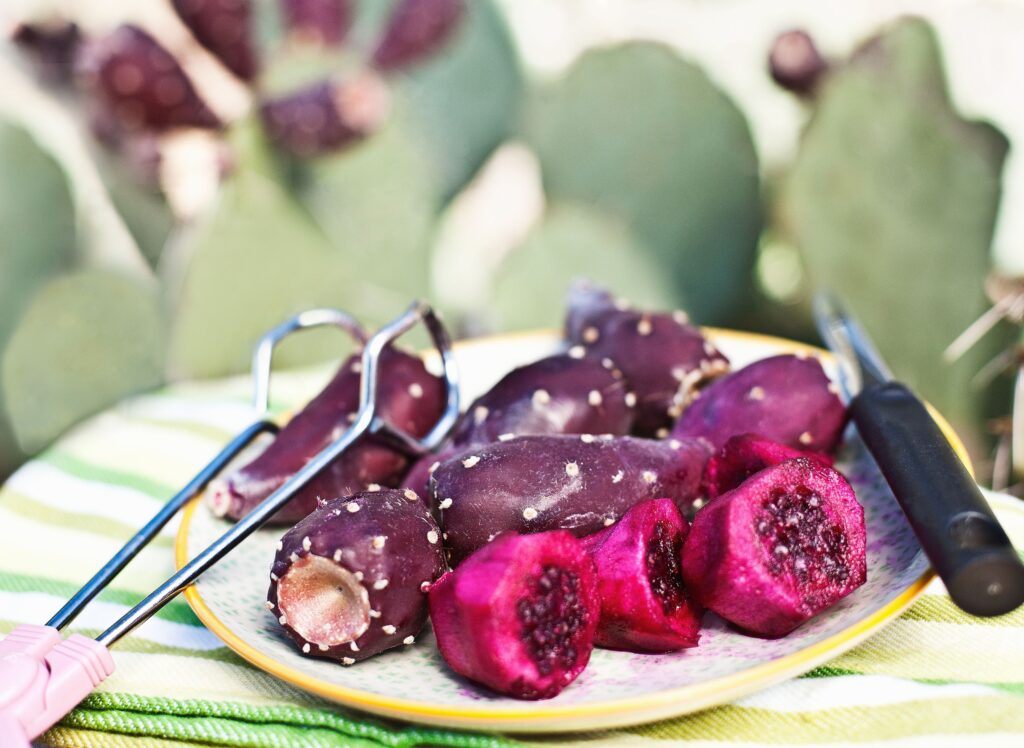
Prickly pear cactus fruit, often known as tunas, is a delightful and unique treat that can elevate both dishes and desserts. This guide delves into the nuances of harvesting, preparing, and savoring this intriguing fruit, from its vibrant coloration to its jelly-like flesh. Embarking on this journey reveals not only the delectable rewards but also the essential techniques for handling prickly pears safely and efficiently.
Types of Prickly Pears: A Colorful Array
Prickly pears belong to the Opuntia genus, among which there are numerous species boasting a spectrum of colors ranging from vivid purples to subdued yellows. The most commonly encountered varieties include:
Red Prickly Pear: Characterized by its bold crimson skin and an incredibly sweet pulp, the red prickly pear is a popular choice for juicing and making syrups.
Green Prickly Pear: Slightly less sugary, the green variant offers a more subtle flavor profile. It is often utilized in savory dishes, adding a unique tang to salads and salsas.
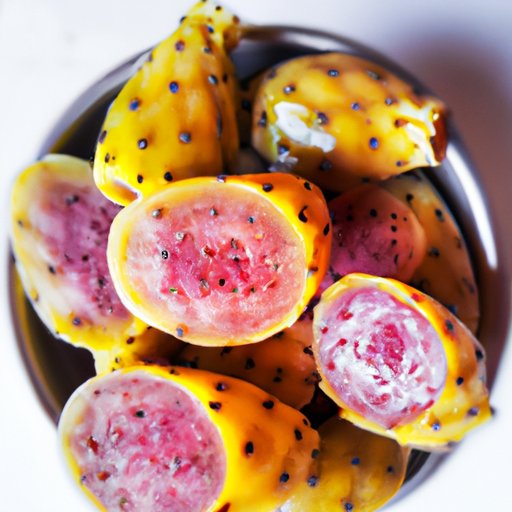
Yellow Prickly Pear: This type typically has a thin skin and a floral sweetness that complements desserts beautifully. Consider it a prime candidate for jams and jellies.
Harvesting Prickly Pears: When and How to Collect
The ideal time for harvesting prickly pears generally coincides with their peak ripeness, typically late summer to early fall, although specific timing might differ based on geographical location. Here are some best practices for successful harvesting:
Look for Color: Fully ripe prickly pears exhibit vibrant colors that range in hue depending on the variety. Their brilliant exterior signals sweetness and optimal juiciness.
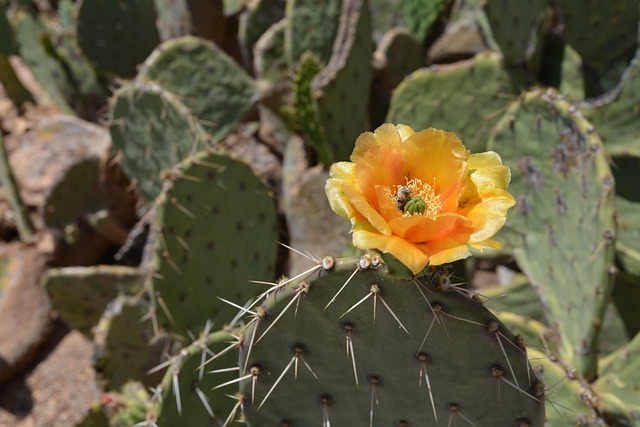
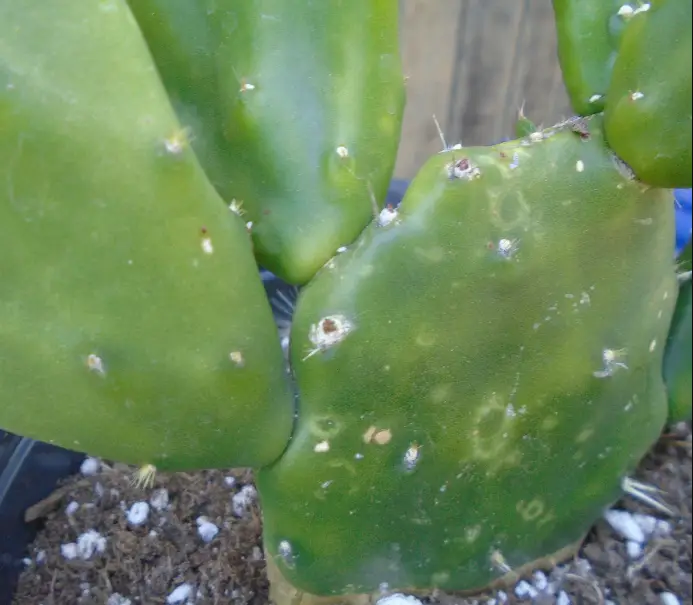
Avoid Spines: The cactus pads from which prickly pears grow are adorned with tiny glochids, or barbed spines, that can easily embed themselves in skin. Wearing heavy gloves and using tongs or long-handled tools minimizes contact and reduces the risk of injury.
Gentle Twist: When plucking the fruit, gently twist the prickly pear rather than pulling it directly. This methodology helps preserve the integrity of the fruit and the plant.
Storing Fresh Picks: After harvesting, prickly pears should be kept in a cool, dry place. Refrigeration may extend their shelf life, but be sure to consume them within a week for maximum freshness.
Preparing Prickly Pears: A Culinary Adventure
Once harvested, the delightful prickly pear awaits transformation in the kitchen. Preparation can initially seem daunting due to its exterior spines, but the resulting delicacies make it worthwhile.
Cleaning the Skin: Rinse the fruit under cold water to remove any dirt. It is crucial to handle the prickly pear cautiously; utilizing a cutting board can help safely stabilize the fruit while removing glochids. A vegetable peeler or knife effectively eliminates the tough outer skin.
Removing the Flesh: Slice off both ends of the prickly pear and make a longitudinal cut from top to bottom, then peel away the skin using your hands or a knife. The flesh can be cubed or pureed, depending on your culinary aspiration.
Flavoring and Usage: The flavor profile of prickly pear is often compared to that of watermelon paired with subtle notes of berry. This versatility makes it a delightful addition to smoothies, fruit salads, or even cocktails. Additionally, prickly pear juice can be a refreshing summer beverage.
Culinary Applications: From Savory to Sweet
Prickly pears lend themselves beautifully to a variety of dishes, showcasing both their sweetness and ability to complement savory flavors. Here are a few inventive ideas:
Salads: Combine diced prickly pear with arugula, feta cheese, and a light vinaigrette for a refreshing salad that tantalizes the palate.
Jams and Jellies: With a naturally high pectin content, prickly pear makes an exquisite base for jams. Combining it with citrus can enhance the flavor and provide a tart contrast.
Ice Cream and Sorbet: Puree prickly pear flesh and mix it into custard or sorbet bases for a refreshing frozen dessert that captures the essence of summer.
Health Benefits: A Nutrient-Rich Delight
Beyond its delightful taste, prickly pear fruit is packed with essential nutrients. Rich in vitamin C and antioxidants, it can bolster immunity and provide protective benefits against oxidative stress. Its high fiber content aids digestion, while the presence of beneficial compounds like betalains supports heart health. Regular consumption may even help regulate blood sugar levels, making it a suitable option for those managing diabetes.
Conclusion: Immerse Yourself in the World of Prickly Pears
The journey from plant to plate with prickly pear cactus fruit is as rewarding as it is enjoyable. Whether you’re harvesting the vibrant fruits, experimenting with innovative culinary techniques, or simply savoring their succulent flesh, prickly pears offer an enriching experience that goes beyond mere consumption. So next time you’re in the vicinity of these remarkable cacti, take a moment to appreciate their culinary potential and the unique flavors they can bring to your table.
FAQ
How do I safely harvest prickly pear fruit?
Wear gloves and use tongs to avoid tiny spines called glochids. Twist gently to remove fruit without damaging the plant.
What are some popular culinary uses for prickly pear fruit?
It can be used in salads, jams, jellies, smoothies, cocktails, ice cream, and sorbet.
When is the best time to harvest prickly pear fruit?
When the fruit shows vibrant colors indicating ripeness, usually late summer to early fall.
What nutrients are found in prickly pear fruit?
Vitamin C, antioxidants, fiber, and betalains that support immune and heart health.
How should prickly pear fruit be stored?
Keep in a cool, dry place or refrigerate, consuming preferably within a week.
Leave a Reply