
Short Answer
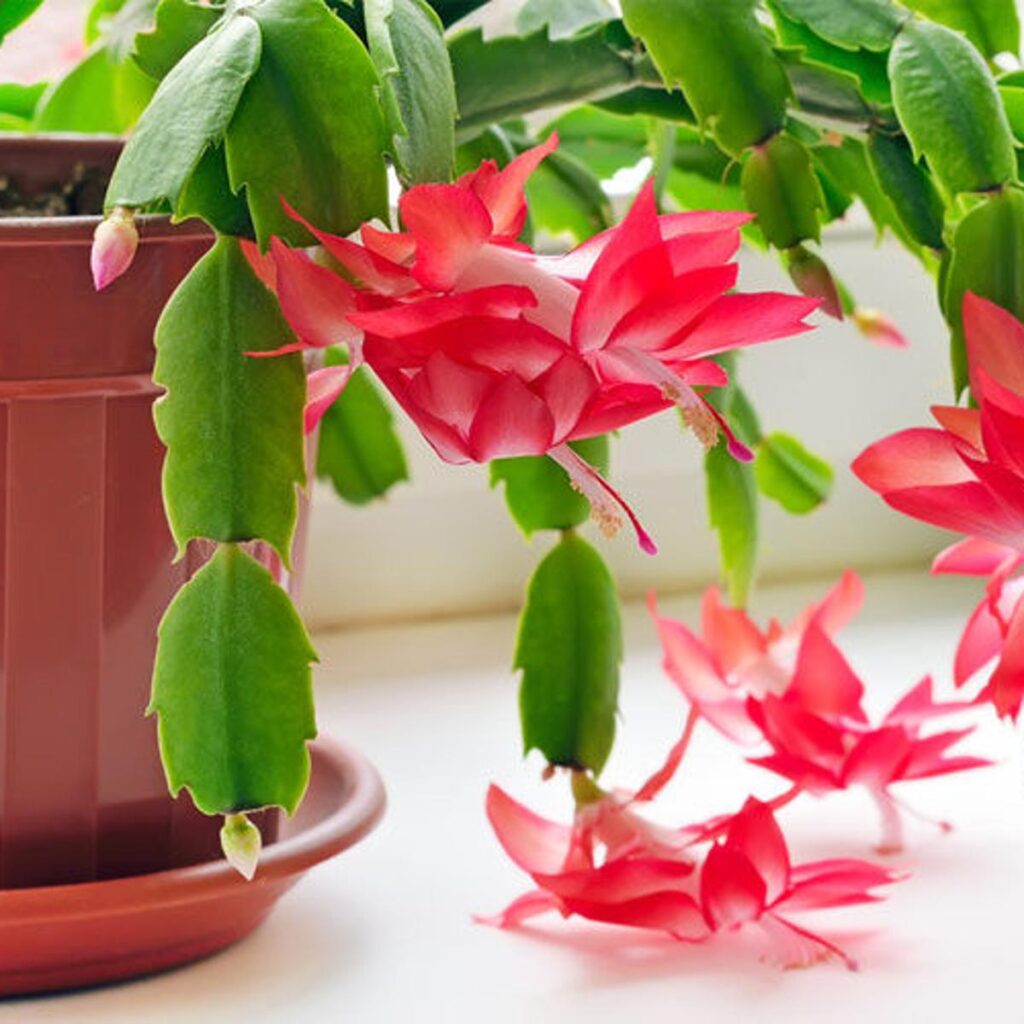
Christmas cacti (Schlumbergera) are often cherished for their stunning blooms that add vibrant color during the winter season. However, understanding how to care for them throughout the year can amplify their beauty and longevity. Let’s delve into the nuances of nurturing a Christmas cactus, ensuring it flourishes both during and after the festive months.
Understanding the Ideal Environment for Your Christmas Cactus
Creating an environment that resembles the native habitat of the Christmas cactus is paramount. Unlike traditional cacti, which thrive in arid, sun-drenched desert landscapes, the Christmas cactus originates from the tropical rainforests of Brazil. Here, it grows in the dappled shade of trees, which informs its unique care requirements.
Light is a pivotal consideration. Although these plants can tolerate indirect sunlight, too much can scorch their leaves. Aim to provide bright, filtered light, especially in the spring and summer months. A north or east-facing window often provides the ideal conditions. In winter, while they are in bloom, they can tolerate a bit more direct sunlight, but it’s crucial to monitor how they respond to ensure their sensitive foliage remains healthy.
Temperature is equally critical. Christmas cacti prefer temperatures that range between 60°F to 70°F (15°C to 21°C) during the day and should not dip below 50°F (10°C) at night. This temperature regulation mimics the gradual cooling that marks the onset of winter in their natural habitat, encouraging bud formation. Sudden temperature fluctuations or placement near heating vents can lead to a decline in overall health.
Watering Techniques: Striking the Right Balance
One cannot underestimate the importance of appropriate watering practices. Overwatering is a common pitfall that can lead to root rot, a fatal condition for many houseplants. By contrast, underwatering can cause the leaves to shrivel and become limp. Therefore, the key to successful Christmas cactus care lies in moderation.
In the growing season, which typically spans from spring to early autumn, it’s advisable to water thoroughly when the top inch of soil feels dry to the touch. When watering, ensure excess water drains out of the pot to prevent waterlogging. During the late fall and winter months, once the plant is in bloom, reduce watering slightly to inhibit excessive moisture that might lead to wilting or fungal issues. This period of slight dormancy allows the plant to conserve energy, thereby focusing its resources on producing blooms.
Feeding Your Plant: Nutrition for Growth and Blooms
Nutrition plays a vital role in not only promoting vigorous growth but also in enhancing flowering capacity. A well-balanced cacti fertilizer can stimulate the blooming process, ensuring your Christmas cactus showcases its full potential during the holiday season.
During the growing season, feed your cactus with a diluted, balanced fertilizer every two to four weeks to provide the necessary nutrients. However, as winter approaches, reduce feeding to once a month. This adjustment helps the plant prepare for its dormancy phase, where growth slows, and flowering becomes the priority. Observing your plant’s reactions to feeding can provide insights into how best to adjust care moving forward.
Pruning and Propagation: Encouraging Health and New Growth
Pruning is often overlooked, yet it can significantly enhance the health and visual appeal of your Christmas cactus. Regularly removing any dead or yellowing segments will encourage new growth and help prevent diseases. It’s advisable to prune after the blooming period, typically in late winter or early spring. This timing allows for the plant to recover and replenish before the growing season commences.
Propagation can also be an engaging endeavor. Utilizing segments from the pruned branches, one can propagate new plants. To do this, allow the cut sections to dry for a few days before placing them in moist soil. Water cautiously to avoid oversaturation. With proper care, these cuttings can develop into thriving, standalone plants in due time.
Identifying Pests and Diseases: Vigilance is Key
Despite your best efforts, pests can occasionally infiltrate your plant collection. Christmas cacti can be susceptible to common pests like mealybugs and spider mites. Regularly inspect the undersides of leaves and the stems for any signs of infestation. Should you identify any pests, promptly treat them using insecticidal soap or natural remedies to prevent spreading.
Recognizing disease symptoms early can be beneficial. Indicators such as discolored leaves, unusual wilting, or mushy root systems might signify bacterial or fungal infections. In dealing with these issues, removing affected areas and improving air circulation can halt the progression and safeguard overall plant health.
Year-Round Wonder: Enjoying Your Christmas Cactus
The allure of the Christmas cactus is not limited to its seasonal blooms; it can be a year-round companion that brings joy and greenery into your home. By adhering to these detailed care instructions and remaining observant, you can foster a thriving environment for your Christmas cactus, ensuring it becomes a centerpiece of beauty and resilience throughout every season. Take advantage of its flowering periods, and enjoy the transformation of your space as your plant continues to grow and flourish.
FAQ
How often should I water my Christmas cactus?
Water thoroughly when the top inch of soil feels dry, more frequently in spring through autumn, less during blooming in winter.
What temperature is best for Christmas cactus growth?
They thrive in 60°F to 70°F (15°C to 21°C) during the day and should not fall below 50°F (10°C) at night.
Can I propagate my Christmas cactus from cuttings?
Yes, cut segments after pruning, let them dry for a few days, then plant in moist soil and water carefully.
How do I prevent pests on my Christmas cactus?
Inspect regularly for mealybugs and spider mites and treat infestations promptly with insecticidal soap or natural remedies.
When should I prune my Christmas cactus?
Prune after blooming, usually late winter or early spring, to encourage healthy new growth.

Leave a Reply