
Short Answer
Prickly pears, or Opuntia, are fascinating cacti that produce vibrant, edible fruits often found in arid regions. Their vibrant colors, ranging from deep magenta to bright yellow, attract both the eye and the curious palate. However, for many, the question arises: how does one indulge in this delicacy without incurring a prick from its formidable spines? Addressing this query reveals not only practical techniques for consumption but also the allure that this enigmatic fruit holds.
Understanding Prickly Pear Anatomy
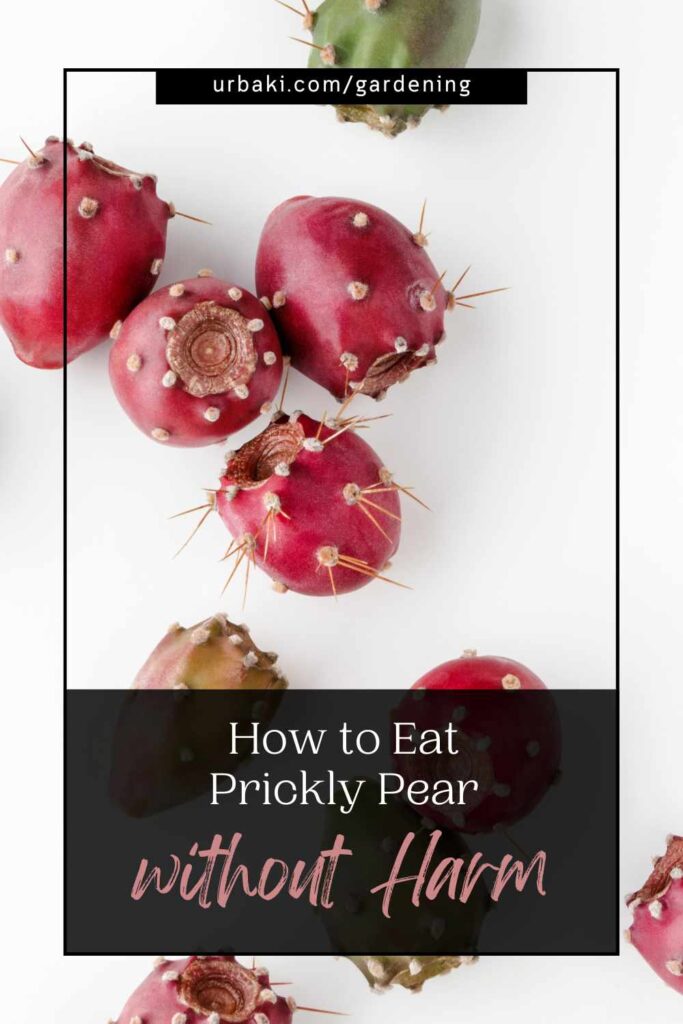
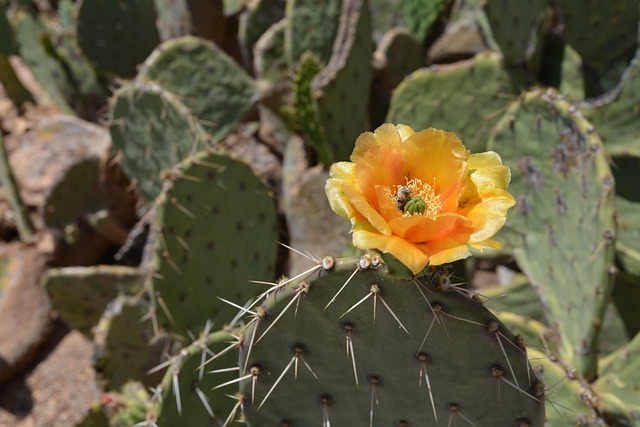
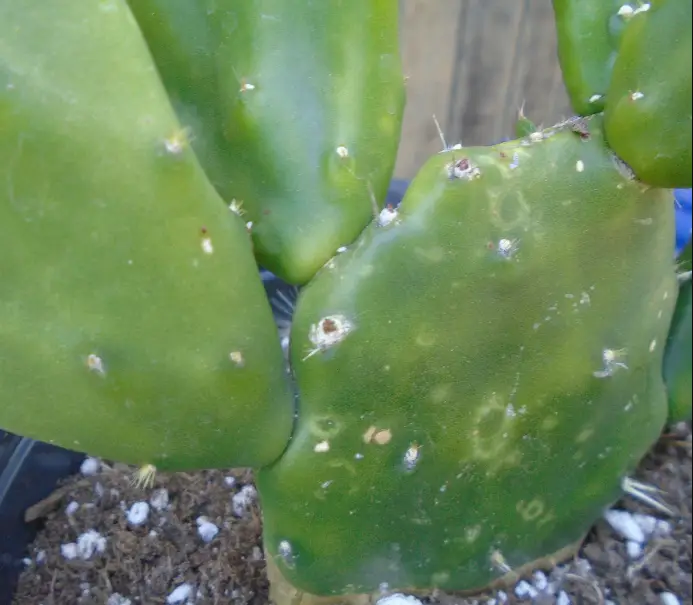
To navigate the prickly pear experience, one must first comprehend its anatomy. The prickly pear cactus is clad in flattened pads known as cladodes. The fruit, called a tunas, adorns the plant, often showcasing a mottled surface that hints at the delectable flesh within. However, these fruits are typically encircled by glochid spines—tiny, hair-like structures that can lure unsuspecting consumers into a painful encounter.
The glochids are especially treacherous, as they are small and can easily become embedded in the skin, leading to irritation and discomfort. Understanding this anatomy lays the groundwork for safe consumption. With the right knowledge, the shows of flair and fascination can transform into confidence and competence in harvesting and enjoying this unique fruit.
Harvesting with Precision and Care
When approaching a prickly pear plant, caution is paramount. Protective gear is advisable. Wearing gloves and using long tongs or tweezers can significantly reduce the risk of glochid encounters.
In an ideal scenario, harvesting involves selecting ripe fruit, which is often indicated by their vibrant color. Ripe prickly pears are plump and firm to the touch, devoid of any shriveling or dullness. Using a sharp knife, carefully cut the fruit from its pad near the stem, avoiding any unnecessary contact with the plant.
Once collected, the focus shifts to preparation.
Preparing Your Prickly Pear: The Art of De-spining
Preparation is a crucial component of enjoying prickly pears. Start by rinsing the fruit thoroughly under running water, which helps remove surface debris and any latent glochids. Following the wash, a meticulous approach is necessary for de-spining the pear.
Using a vegetable peeler, carefully steady the fruit on a cutting board. Stripping away the skin—not unlike peeling a peach—ensures that any glochids are eliminated in the process. Handling the prickly pear with a fork or tongs during peeling is advisable, as it keeps the hands safe from spines.
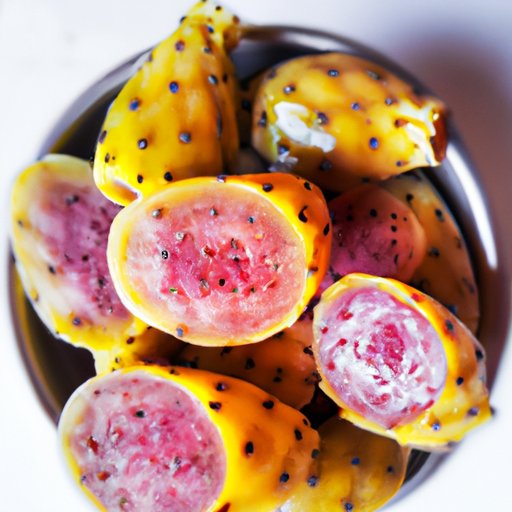
Once the skin has been effectively removed, the flesh can be sliced or cubed for consumption. The inner pulp, bright magenta or golden yellow, is where the culinary adventure truly begins, offering a sweet and mildly tart flavor profile likened to a cross between watermelon and bubblegum.
Exploring Culinary Uses of Prickly Pear
Prickly pears are not only a delight when enjoyed fresh; they lend themselves wonderfully to a range of culinary applications. The inner pulp can be incorporated into smoothies, salads, and desserts, infusing them with a splash of color and unique sweetness.
For adventurous eaters, prickly pear can be transformed into refreshing juices, syrups, or even jellies. In many cultures, the juice is cooked down with sugar and lemon juice to craft a vivacious syrup, perfect for drizzling over pancakes or using as a cocktail mixer.
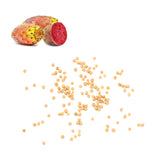
It is important to note that the seeds found within prickly pears are edible but can be chewy. For those who prefer a smoother texture, straining the juice can yield a clear and vibrant liquid devoid of seed debris.
Adventuring Beyond the Fruit: The Benefits of Prickly Pear
Prickly pears offer more than just a pleasant taste. Nutritionally, they are rich in vitamin C, dietary fiber, and antioxidants, making them a healthful addition to any diet. The high fiber content supports digestive health, while antioxidants can contribute to the reduction of oxidative stress in the body.
Additionally, recent studies explore the potential health benefits of prickly pear in managing blood sugar levels and cholesterol. While more research is required, incorporating this fruit into one’s diet may provide added benefits beyond mere enjoyment.
Understanding the Intrigue
The fascination with prickly pears is undeniable. Their audacious appearance and vibrant colors captivate those who encounter them. This exotic fruit embodies a connection to the arid landscapes from which it hails, symbolizing resilience and nourishment in hostile environments. The combination of vivid aesthetics, culinary versatility, and health benefits forms a compelling narrative around prickly pears, one that draws people to explore its wonders.
In conclusion, enjoying prickly pears without the prick requires knowledge, preparation, and an adventurous spirit. With a meticulous approach to harvesting and preparation, the delectable fruit transforms from a dangerous curiosity into a delightful culinary experience. Whether enjoyed fresh, incorporated into a dish, or transformed into beverages, prickly pears offer a unique taste of nature’s bounty. As their captivating charm beckons, individuals can embrace the marvels of prickly pears with newfound confidence.
FAQ
How do you remove the spines from a prickly pear fruit?
Rinse the fruit thoroughly under running water, then peel it with a vegetable peeler to remove the skin and spines.
Are prickly pear seeds safe to eat?
Yes, seeds are edible but can be chewy; you can strain the juice to remove seeds for smoother consumption.
What health benefits does prickly pear offer?
It is rich in vitamin C, dietary fiber, and antioxidants, which support digestive health and may help regulate blood sugar and cholesterol.
What precautions should be taken when harvesting prickly pears?
Wear protective gloves and use tongs or tweezers to avoid contact with the tiny, irritating glochid spines.
Leave a Reply