
Short Answer
There’s something quietly unsettling about discovering the first telltale threads of a spider mite infestation on your beloved cactus. Those delicate, silvery strands clinging to the spines aren’t just unsightly—they’re the first whispers of a stealthy invasion that can unravel months of careful cultivation in a matter of weeks. Spider mites, those minuscule arachnids with an appetite for chlorophyll, thrive in the very places we least expect them: the sun-drenched leaves of our desert darlings. What begins as a few speckled blemishes on a prickly pear can, if left unchecked, escalate into a full-blown botanical siege, leaving behind a skeleton of once-vibrant green. But why do these pests find cacti so irresistible? And more importantly, how can we evict them without resorting to chemical warfare that might harm our spiky companions?
The Silent Saboteurs: Understanding Spider Mites and Their Cactus Affair
Spider mites aren’t insects—they’re arachnids, cousins to spiders and ticks, which explains their eight-legged stealth and web-spinning prowess. Under a magnifying lens, they resemble tiny, translucent ghosts, their bodies barely larger than a grain of salt. Yet their impact is anything but microscopic. These pests pierce plant cells with needle-like mouthparts, siphoning out the sap that fuels photosynthesis. The result? A cactus that looks like it’s been dusted with fine flour, its once-firm pads sagging under the weight of unseen predation.
Their attraction to cacti isn’t random. These succulents, with their thick, water-retaining tissues, offer a veritable buffet for mites seeking moisture and nutrients. Warm, dry conditions—hallmarks of a cactus’s natural habitat—create the perfect incubator for their lifecycle. A single female can lay hundreds of eggs in her brief lifespan, and within days, a tranquil terrarium can transform into a mite metropolis. The deeper irony? The very adaptations that make cacti drought-resistant—thick cuticles, reduced leaf surface—also make them vulnerable to sap-sucking parasites that exploit these defenses.
Spotting the Invasion: Early Warning Signs in Your Cactus Collection
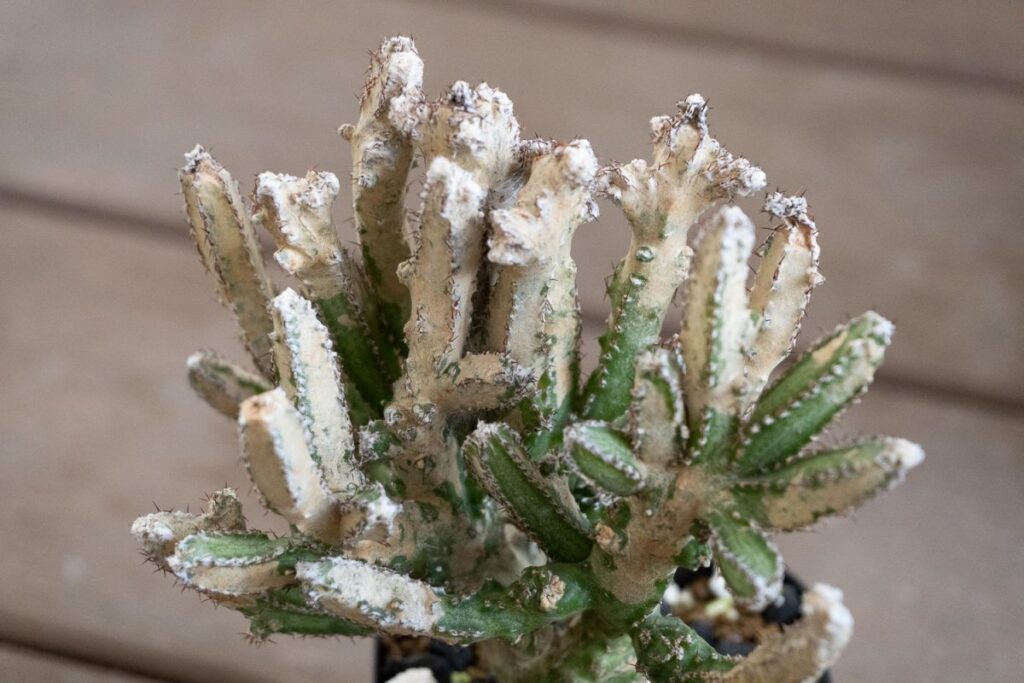
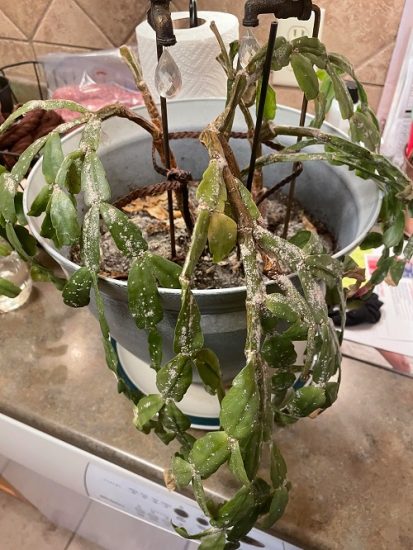
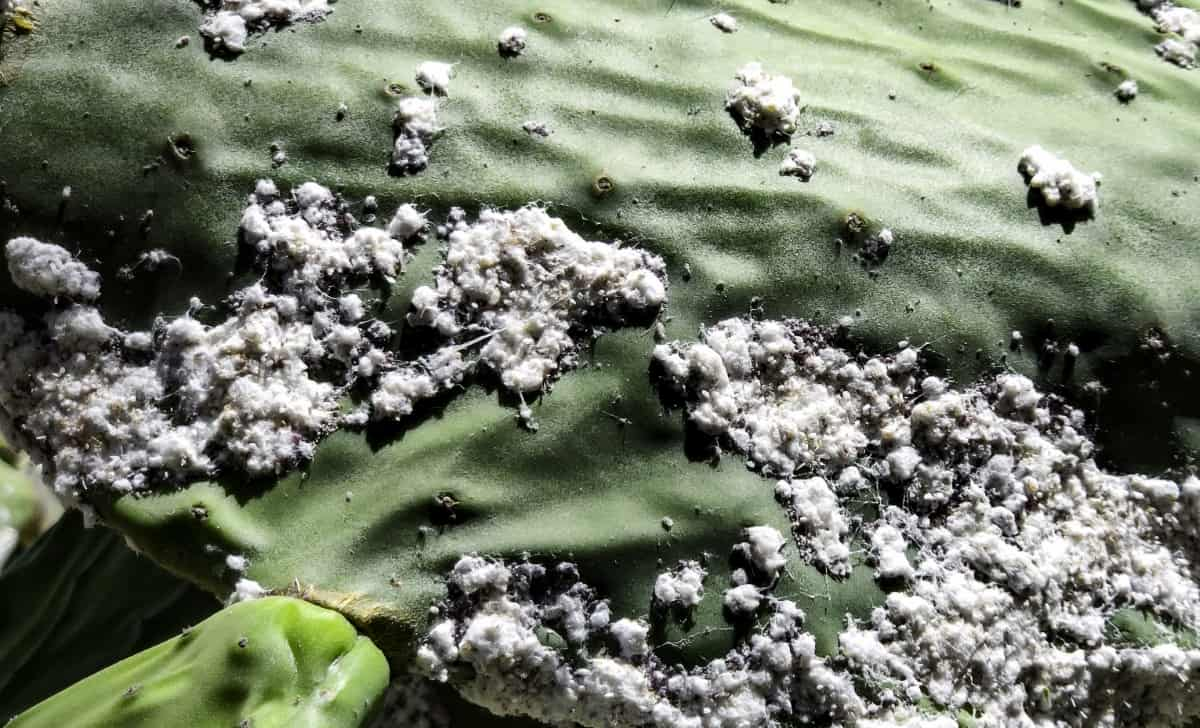
Detecting spider mites early is the difference between a minor nuisance and a full-blown horticultural crisis. The first clue often isn’t the mites themselves but their handiwork: tiny yellow or white stippling on the cactus’s surface, as if someone has lightly flicked it with a paintbrush. Over time, these spots coalesce into larger, bleached patches, and the cactus may develop a dull, lackluster sheen. If you run your fingers along the spines and feel a gritty residue, that’s likely frass—mite excrement—a sure sign of an active infestation.
Webbing is the final red flag. Unlike the elaborate silk structures of true spiders, mite webs are sparse and silty, often appearing as fine, cobweb-like threads clinging to the base of spines or between pads. This silk isn’t just a byproduct of their feeding; it’s a protective shield, a fortress where eggs are laid and larvae mature. Ignore these signs, and you’ll soon notice a secondary symptom: a sticky residue on nearby surfaces, the result of honeydew excreted by the mites—a magnet for sooty mold that further compromises your plant’s health.
Cultural Countermeasures: Adjusting Your Cactus Care to Deter Mites
Before reaching for pesticides, consider the environment you’ve created. Spider mites adore stagnant air and dusty foliage, so the first line of defense is a thorough housekeeping overhaul. Increase humidity around your cacti—mist the air around them daily or place a tray of water nearby to disrupt their dry-loving lifecycle. A gentle rinse with lukewarm water can dislodge adults and eggs, but avoid soaking the soil, which can encourage root rot.
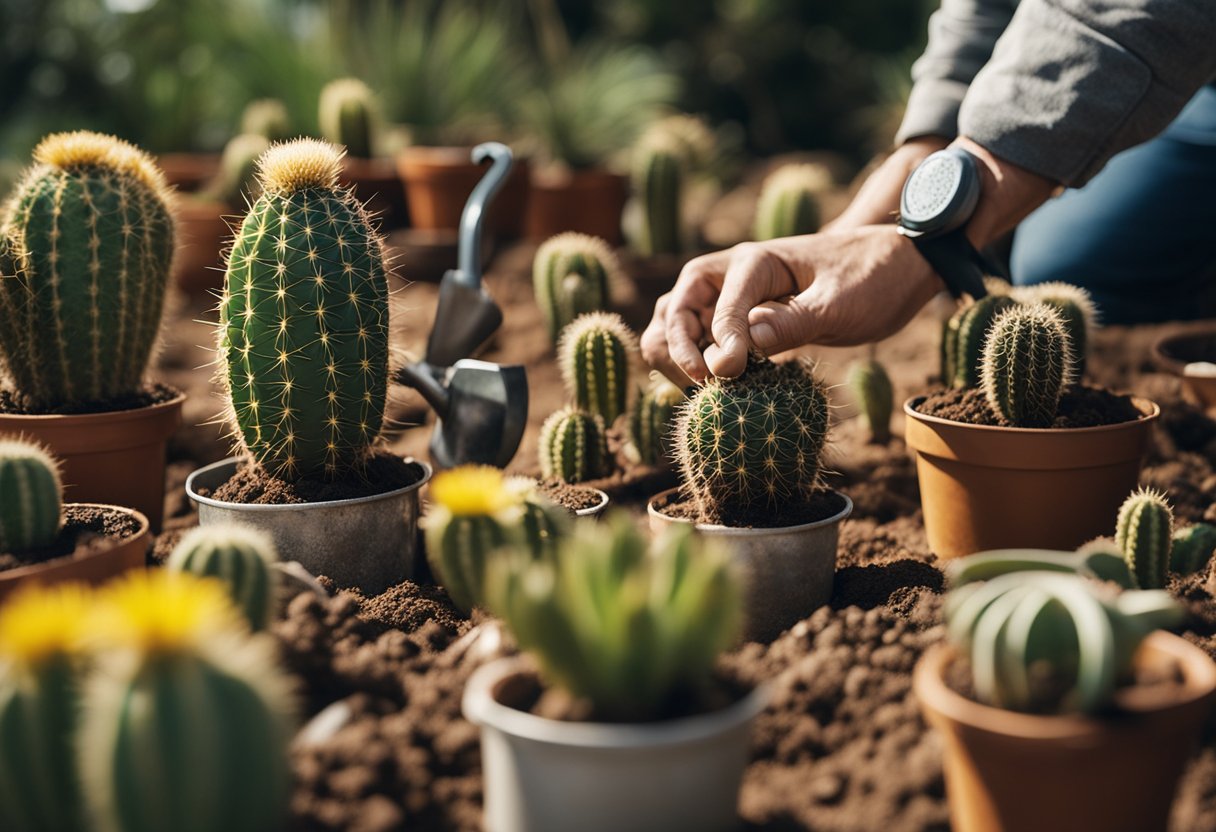
Pruning is another unsung hero. Remove heavily infested pads or segments, but sterilize your tools with rubbing alcohol between cuts to prevent spreading mites to healthy tissue. Repotting can also help, especially if the mites have colonized the soil. Opt for a well-draining mix—cacti despise soggy roots—and consider adding a layer of diatomaceous earth to the topsoil, a natural abrasive that deters crawling pests without harming your plants.
The placement of your cacti matters too. Avoid clustering them in tight groups where air can’t circulate, and keep them away from drafty windows or vents that might stress them, making them more susceptible to pests. A little strategic spacing can go a long way in keeping mites at bay.
Natural Enemies: Harnessing Predators to Wage Biological Warfare
In the wild, spider mites have predators—tiny warriors like ladybugs, lacewings, and predatory mites that see them as a five-star meal. You can enlist these allies in your own cactus haven. Ladybugs, for instance, devour mites by the hundreds, while their larvae are even more voracious. Release them in the early evening when they’re less likely to fly away, and provide a source of water (a damp cotton ball) to keep them hydrated.
Predatory mites, such as Phytoseiulus persimilis, are another game-changer. These minuscule hunters specialize in spider mites, targeting all life stages from eggs to adults. They thrive in the same conditions as their prey, making them ideal for integrated pest management. Introduce them in batches, ensuring you have enough mites to outnumber the pests. Within a week or two, you should see a dramatic decline in the infestation.
For a DIY approach, a blast of compressed air—like that from a keyboard cleaner—can physically remove mites without chemicals. Follow this with a spray of neem oil diluted in water (1 teaspoon per quart), a natural pesticide that disrupts the mites’ feeding and reproduction. Apply it in the early morning or late evening to avoid burning the cactus under direct sunlight.
Chemical Deterrents: When to Use—and Avoid—Pesticides
There comes a point where natural methods may not suffice, especially in severe infestations. If you must turn to chemicals, opt for miticides specifically formulated for spider mites, such as those containing spiromesifen or abamectin. Avoid broad-spectrum insecticides, which can kill beneficial insects and mites, leaving your cactus vulnerable to future attacks. Always follow the label’s instructions to the letter, and never apply pesticides in direct sunlight or when temperatures exceed 85°F (29°C), as this can damage your plant.
Systemic pesticides, which are absorbed by the plant and poison pests that feed on it, can be effective but come with risks. They may linger in the cactus’s tissues for weeks, potentially harming pollinators if the plant is ever outdoors. If you choose this route, isolate the treated cactus until the pesticide has fully degraded. And remember: chemical solutions should be a last resort, not a first line of defense.
Preventing Recurrence: Building a Mite-Resistant Cactus Sanctuary
The key to long-term peace with spider mites lies in prevention. Start by quarantining new cacti for at least two weeks, observing them closely for signs of infestation before introducing them to your collection. Regularly inspect your plants, especially during the warmer months when mites are most active. A magnifying glass and a keen eye can catch an outbreak before it escalates.
Rotate your cacti periodically to ensure even light distribution, as stressed plants are more susceptible to pests. Fertilize sparingly—overfeeding can lead to lush, tender growth that mites find irresistible. Instead, focus on balanced nutrition that strengthens your cactus’s natural defenses. And don’t forget to clean your tools, pots, and even your hands after handling infested plants to prevent cross-contamination.
Finally, embrace the philosophy of “less is more.” A sparse, well-spaced collection isn’t just aesthetically pleasing—it’s a fortress against pests. By creating an environment where cacti thrive and mites struggle, you’ll cultivate not just plants, but a resilient, low-maintenance oasis that rewards your care with years of beauty.
The battle against spider mites is as much about understanding their weaknesses as it is about fortifying your cacti’s strengths. With patience, vigilance, and a few strategic tweaks to your care routine, you can reclaim your desert garden from these relentless invaders—and maybe even develop a newfound appreciation for the intricate dance between predator and prey in the world of succulents.
FAQ
What are spider mites?
Spider mites are tiny arachnids that feed on the sap of plants, including cacti, leading to damage and potential plant death.
How can I tell if my cactus has spider mites?
Look for yellow or white stippling on the cactus surface, fine webbing, and a gritty residue on spines.
What are some natural methods to get rid of spider mites?
Increase humidity, wash the cactus with lukewarm water, and introduce natural predators like ladybugs and predatory mites.
When should I use chemical pesticides for spider mites?
Use chemical pesticides as a last resort, opting for those specifically formulated for spider mites and following all label instructions.

Leave a Reply