
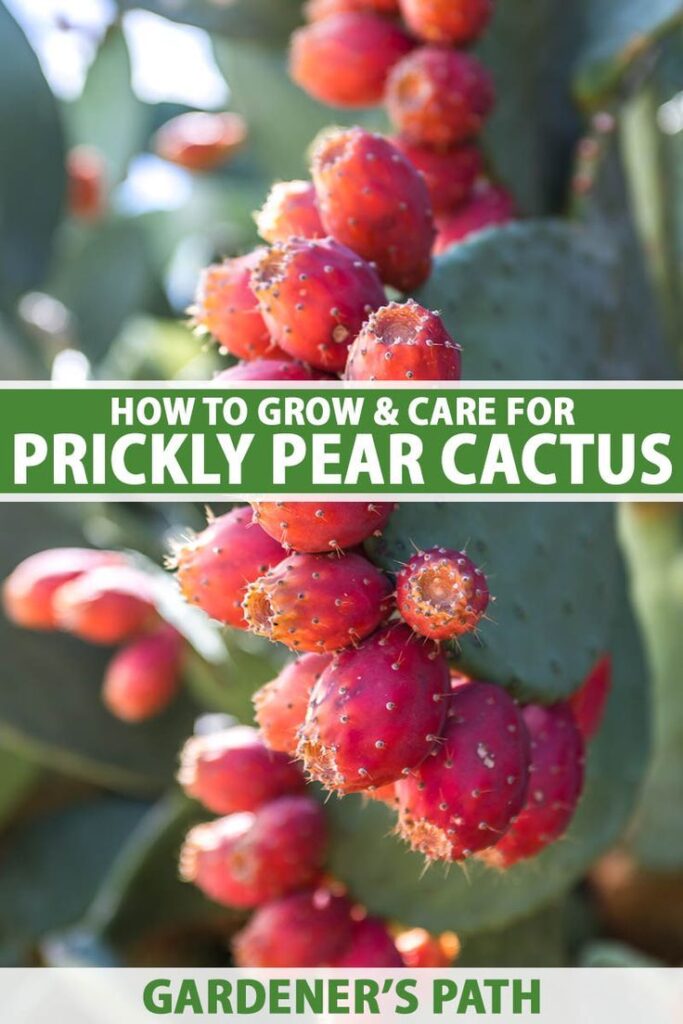
Short Answer
Prickly pear cactus, belonging to the Opuntia genus, stands as one of the most resilient and aesthetically appealing succulent plants. If you’re captivated by the idea of growing a prickly pear cactus from scratch, understanding its specific needs in terms of care and cultivation is crucial. This guide delves into essential aspects of caring for this remarkable plant while addressing common concerns potential growers may have.
Given its adaptability, the prickly pear cactus can thrive in a variety of environments, making it a popular choice for gardeners and desert enthusiasts alike. Whether you are a novice gardener or a proud succulent aficionado, growing prickly pear can be a rewarding experience.
Before beginning, it’s important to familiarize yourself with the unique qualities and requirements of the prickly pear cactus to ensure successful growth. Here’s an in-depth look at how to cultivate this splendid plant.
Optimal Growing Conditions for Your Prickly Pear
Choosing the right environment for your prickly pear cactus is paramount. As a native of arid and semi-arid regions, this cactus craves heat and sunlight. Ideally, it should bask in at least six hours of bright, direct sunlight each day. A south-facing window or a well-lit outdoor area with plenty of sun will serve well.
When considering the soil type, opting for well-draining soil is non-negotiable. A cactus mix, often composed of fine gravel and perlite, enhances drainage and mimics the cactus’s natural habitat, preventing root rot. Some gardeners prefer to create a custom blend by mixing regular potting soil with sand and perlite in equal parts. This ensures ample air circulation while retaining just the right amount of moisture.
Temperature is another critical factor to keep in mind. Prickly pear cacti thrive in temperatures between 70°F and 100°F (21°C to 38°C) during the growing season. If you live in regions where temperatures drop below freezing, it’s wise to bring your cactus indoors or use protective coverings.
Propagation Techniques: Starting from Seeds or Pads
When it comes to propagation, prickly pear cacti can be started either from seeds or from pads. Both methods have their own merits, but using pads is often quicker and less labor-intensive. To propagate from pads, select healthy, mature pads that are free from blemishes. Allow the pads to callus for several days by placing them in a dry, shaded area. Callusing helps prevent rot when the pads are planted.
After the callusing period, you can plant the pads directly into your chosen soil mix. Simply position the pad upright and push it gently into the soil, ensuring that it is secure but not buried entirely. Water sparingly—too much moisture can lead to rot. Within a few weeks, roots will begin to develop.
If you prefer to use seeds, start by soaking them in water for 24 hours. This helps to break down the hard seed coat, promoting germination. Plant the seeds about 1/4 inch deep in your cactus mix and lightly water the surface. Provide warm conditions and ensure the soil remains moist but not soggy. Germination can take several weeks, so patience is key.
Caring for Your Growing Prickly Pear
Once your prickly pear cactus is established, giving it the right care will help it flourish. Watering practices are crucial; this cactus prefers a drought-tolerant approach. Allow the soil to dry out completely between waterings, which means watering about once a month during the active growing season. In the winter months, further reduce watering as the plant enters dormancy.
Fertilization can also support healthy growth. A diluted, balanced fertilizer applied once during the spring can promote additional growth and flowering. However, be cautious; over-fertilization can lead to soft, weak growth, which is not ideal for cacti.
During the growing season, monitor the cactus for pests such as mealybugs and scale. If detected, act swiftly with insecticidal soap or by wiping them off with a cotton swab dipped in alcohol. Regularly turning your cactus can also promote even light distribution and prevent one-sided growth.
The Beauty of Blooming: Encouraging Flowers
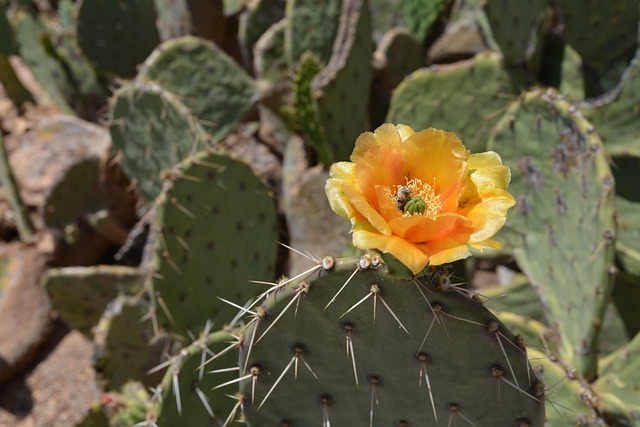
One of the most attractive features of the prickly pear cactus is its vibrant flowers. Typically blooming in late spring or early summer, these flowers come in various colors depending on the specific species. In order to encourage blooming, ensure your cactus receives optimal sunlight and follow a regular watering schedule during the growing season.
It’s not uncommon for a cactus to flower only when it is at least three years old and fully matured. If your cactus doesn’t bloom initially, keep caring for it as usual; flowering is more likely with age and proper care.
Conclusion: Nurturing Your Prickly Pear Cactus
Growing a prickly pear cactus from scratch is a moderately simple hobby that yields rewarding results. By understanding the intricacies of this resilient plant, you’ll be equipped to provide optimal care. Remember to consider its light, soil, water, and temperature needs. With perseverance and dedication, you will enjoy the beauty of a stunning prickly pear cactus, thriving in its designated space.
FAQ
What sunlight conditions does a prickly pear cactus need?
It requires at least six hours of bright, direct sunlight daily, ideally in a south-facing window or outdoor area.
How do I prevent root rot in my prickly pear cactus?
Use well-draining soil and water sparingly, allowing the soil to dry completely before watering again.
Can prickly pear cacti survive cold temperatures?
They thrive in warm climates but should be brought indoors or protected if temperatures drop below freezing.
How long does it take for a prickly pear cactus to flower?
Typically, it takes at least three years of maturity before flowering occurs.
What are common pests affecting prickly pear cacti?
Mealybugs and scale insects are common pests; treatment includes insecticidal soap or alcohol wipes.



Leave a Reply