
Short Answer
Arizona is renowned for its diverse landscape, home to myriad species of cactus that flourish in its arid environment. The state’s distinctive climate and topography provide a perfect habitat for these remarkable plants, each boasting unique characteristics and adaptations. This article illuminates the fascinating variety of cacti found in Arizona, offering insights into some of the most prominent species.
From the iconic saguaro to the lesser-known but equally captivating barrel cactus, Arizona’s arid deserts present a rich tapestry of life. Let’s delve into the names and attributes of these remarkable plants that define the region.
The Iconic Saguaro: A Symbol of the Southwest
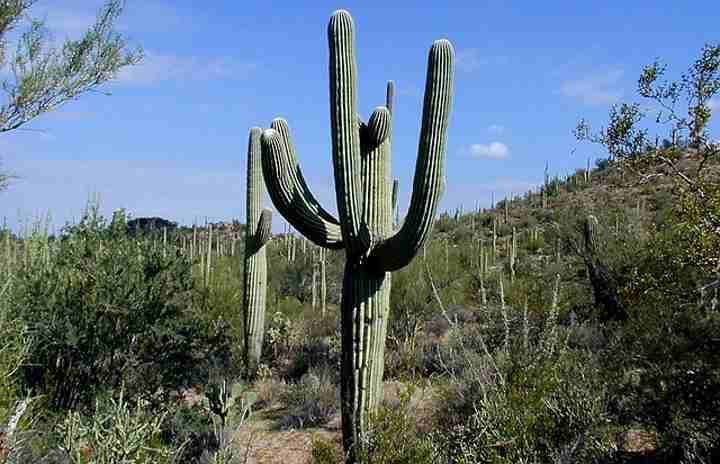
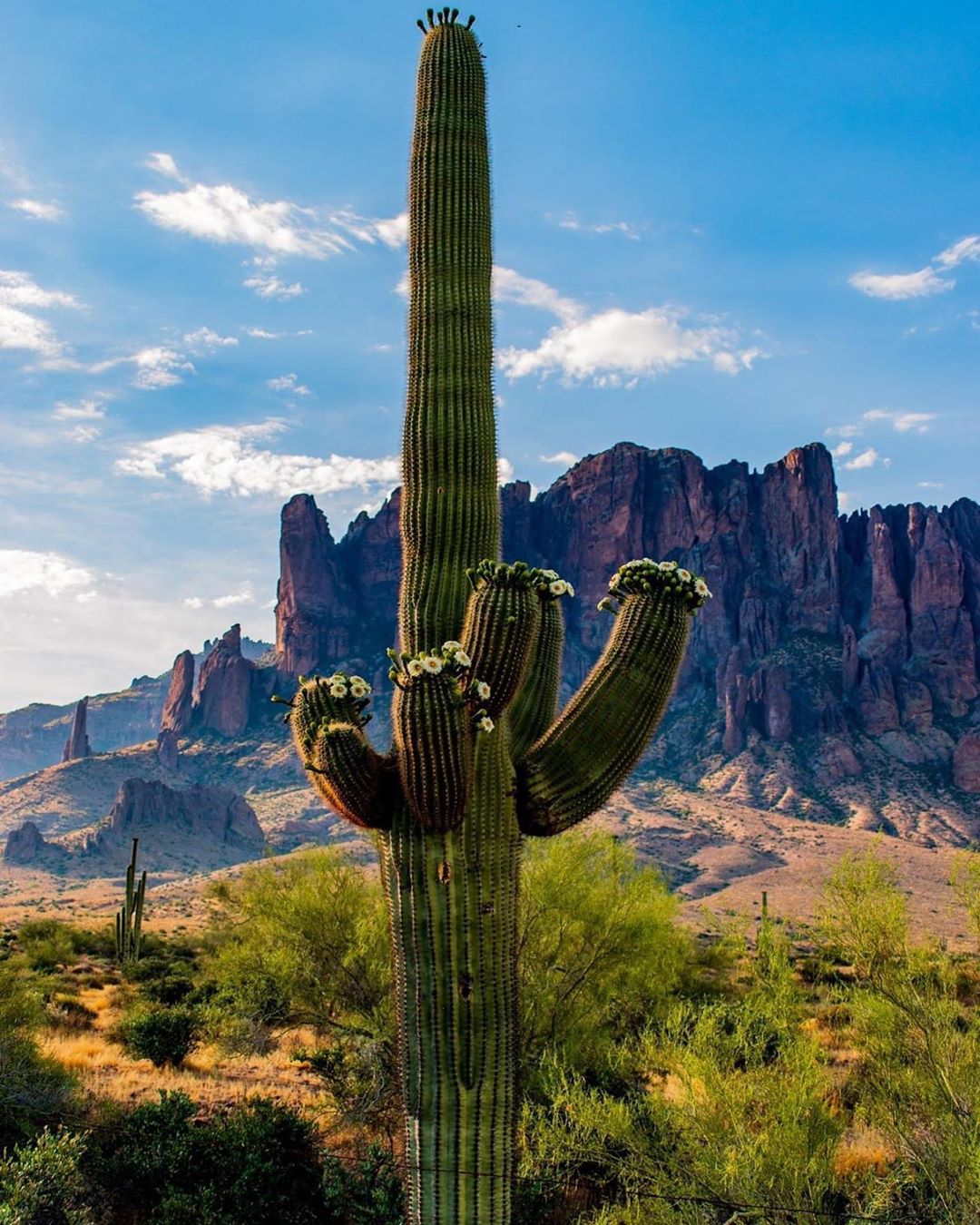
Perhaps the most recognizable cactus species, the saguaro (Carnegiea gigantea) stands tall as a symbol of the American Southwest. These towering giants can reach heights of up to 40 feet and live for over 150 years. Their characteristic arm-like branches extend outward, creating a silhouette that has become iconic in desert landscapes. Saguaros are not just visually stunning; they serve as an essential resource for wildlife and human inhabitants alike.
During the flowering season, which typically occurs in late spring, saguaros produce beautiful white blossoms that open at night and close by midday. These flowers are not only a visual delight but also play a crucial role in the ecosystem, attracting pollinators such as bees and bats. Furthermore, the fruit of the saguaro, known as the saguaro fruit, is edible and has been harvested by Native American communities for centuries, showcasing the interdependence between humans and these magnificent plants.
The Resilient Barrel Cactus: Nature’s Survivalist
Barrel cacti, primarily from the genus Ferocactus, exhibit a robust and compact form that enables them to thrive in harsh conditions. These cacti are often more prominent in low deserts and are characterized by their cylindrical shape, spines, and vibrant flowers that can appear in various hues, depending on the species. Most notably, the California barrel cactus (Ferocactus cylindraceus) can be found across Arizona, where it often blooms with stunning yellow flowers.
Resilient by nature, barrel cacti have adapted to conserve water through a thick, waxy skin. Their ribbed structure allows for expansion when they absorb water, a remarkable survival strategy during dry spells. The plant’s ability to store water makes it an essential resource for other desert creatures, portraying the interconnectivity of life in arid habitats. Both the flesh and the fruit can also be consumed, though caution is advised due to the spines.
The Prickly Pear: Edible and Versatile
Prickly pear cacti (Opuntia spp.) are an integral part of Arizona’s flora, characterized by their flat, paddle-shaped pads and vibrant fruits known as “tunas.” Boasting a wide range of varieties, prickly pear cacti thrive in various habitats across the state, from deserts to mountainous regions. Not only are they visually striking with their bright yellow or pink flowers, but they also offer significant culinary and medicinal value.
Prickly pear pads are edible and can be used in various dishes, from salads to stews. The fruits can be made into jellies or juices, adding a sweet, unique flavor to cuisines. Beyond their culinary applications, prickly pear cacti are celebrated in traditional medicine, providing remedies for ailments such as high blood sugar and inflammation. Therefore, they hold significant cultural and practical importance in Arizona.
The Cholla: A Spiny Enigma
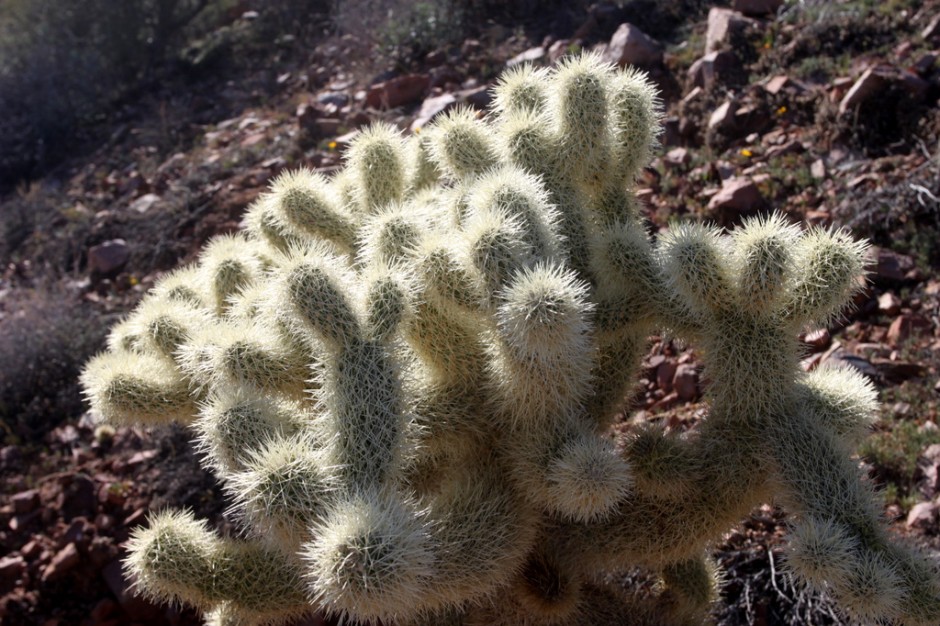
The cholla cactus, particularly the teddy bear cholla (Cylindropuntia bigelovii), captivates and perplexes with its distinctive appearance and formidable spines. Glistening in the sunlight, its cylindrical segments are often densely populated with barbed spines that can detach and attach themselves easily to passersby. This trait, while an adaptation for self-defense, often leads to unfortunate encounters for hikers and wildlife.
Cholla cacti come alive in late spring, displaying an enchanting bloom of beautiful flowers, typically in shades of yellow or magenta. The flowers are attractively arranged and play a critical role in the plant’s reproductive cycle, encouraging pollination by bees and other insects. In addition to their ecological significance, cholla segments are sometimes harvested for their use in traditional crafts and decoration.
The Fishhook Cactus: A Nature’s Puzzle
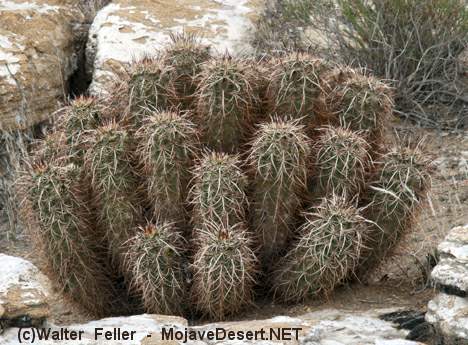
Another noteworthy species is the fishhook cactus (Scleorieus spp.), known for its uniquely curved spines resembling fishhooks. Found commonly in the Sonoran Desert, this small cactus often grows solitary or in groups. Its stunning blooms, usually in vibrant magenta or deep purple, are a natural wonder, attracting various pollinators.
Fishhook cacti have evolved to survive extreme conditions, demonstrating adaptations that allow them to withstand long periods without water. Their fleshy stems store moisture, making them resilient in the face of drought. Moreover, the spines serve not only as protection but also as a mechanism to trap moisture, showcasing the innovative survival strategies of desert flora.
Conclusion: A Vital Part of Arizona’s Ecosystem
The remarkable array of cacti found in Arizona is a testament to the resilience and adaptability of life in arid environments. Each species, from the towering saguaro to the intriguing fishhook cactus, plays an integral role in maintaining the ecological balance of their habitats. As these plants continue to thrive, they enrich the landscape and culture of Arizona, emphasizing the importance of preserving these natural wonders for future generations.
FAQ
What is the most iconic cactus species found in Arizona?
The saguaro cactus is the most iconic species, known for its towering height and symbolic status in the American Southwest.
Are any Arizona cacti edible?
Yes, the prickly pear cactus pads and fruits are edible and commonly used in culinary dishes and traditional medicine.
What adaptations help barrel cacti survive in Arizona's desert?
Barrel cacti have thick, waxy skin and ribbed structures that allow water storage and expansion during dry periods.
Why are cholla cactus spines considered a defense mechanism?
Cholla cactus spines are barbed and detach easily to protect the plant by attaching to animals and humans that may harm it.
How do fishhook cacti survive in arid conditions?
Fishhook cacti store moisture in their fleshy stems and use their curved spines to trap moisture, helping them survive droughts.

Leave a Reply