
Short Answer
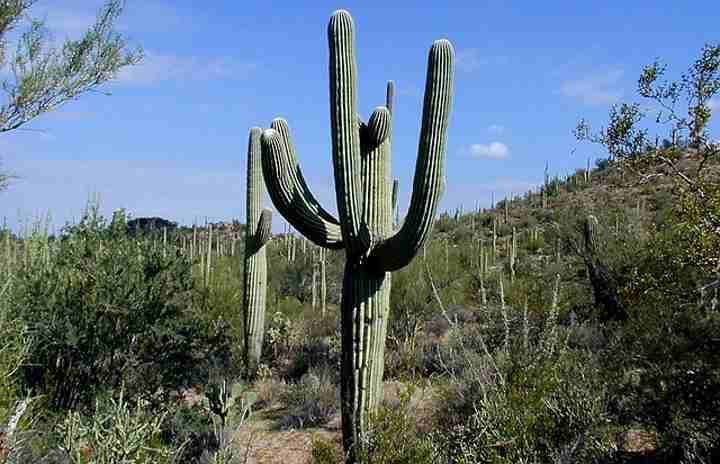
Venturing into the world of desert landscaping brings with it an unparalleled opportunity to cultivate the majestic Carnegiea gigantea, universally celebrated as the Saguaro cactus. This iconic embodiment of arid elegance is a testament to nature’s ability to thrive against all odds. Planting a Carnegiea is not merely horticulture—it’s an involvement with a living symbol of endurance, and it invites a deeper connection with the resilient desert ecosystem. This guide will shepherd you through the essential steps, insightful nuances, and careful considerations needed to successfully establish a Carnegiea in your desert landscape, ensuring your planting endeavor flourishes for decades.
Understanding the Carnegiea gigantea
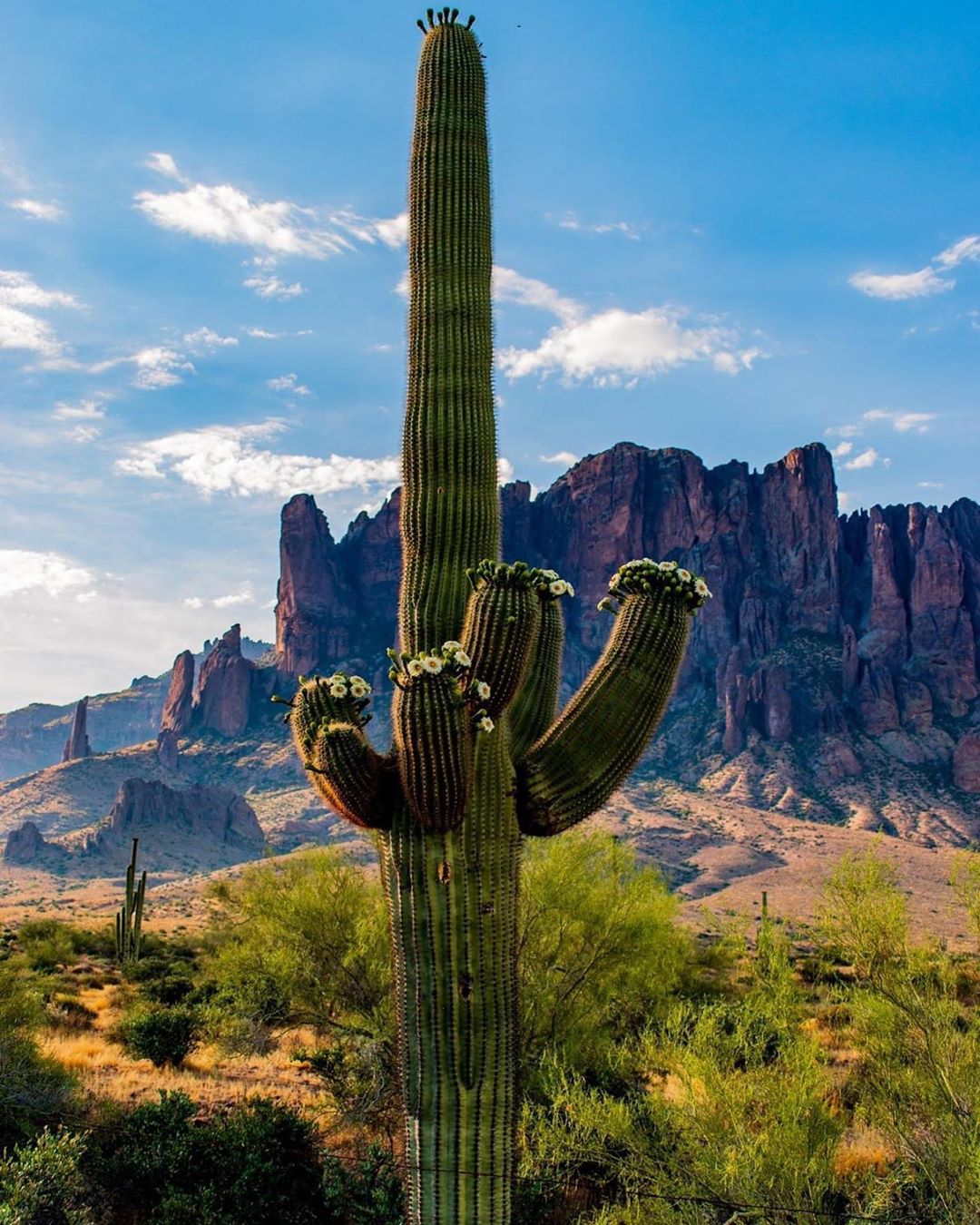
The Carnegiea gigantea, commonly known as the Saguaro cactus, is more than just a visually striking desert dweller; it is a botanical titan that can reach heights over 40 feet and live for well over 150 years. Native to the Sonoran Desert, this cactus has evolved to withstand extreme temperature fluctuations and scarce water availability. Before planting, it’s crucial to grasp its growth habits, seasonal cycles, and environmental demands. Unlike many houseplant succulents, the Carnegiea requires a long-term vision to accommodate its slow, steady expansion and large mature size.
Selecting the Ideal Planting Site
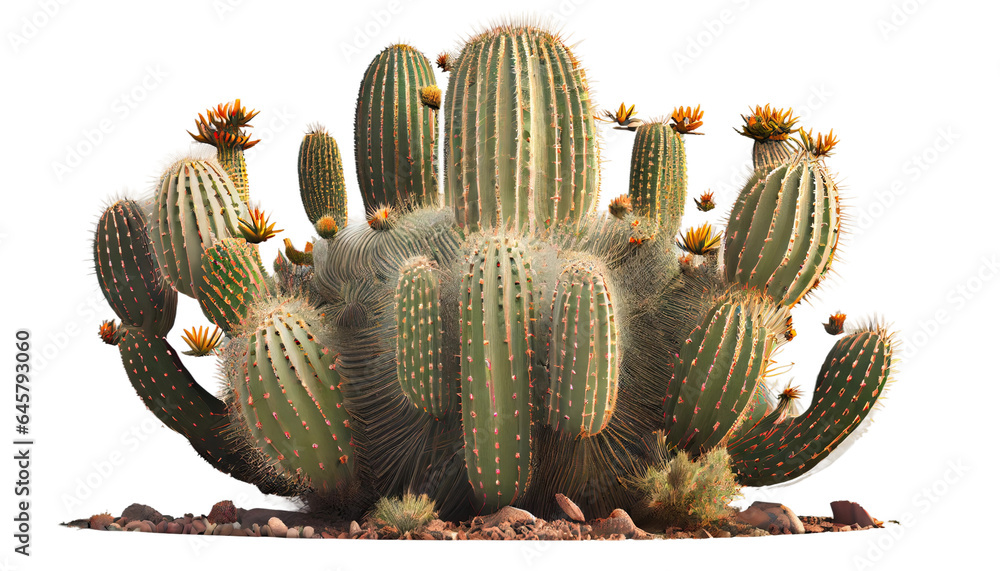
Location is paramount. The Carnegiea flourishes under full sun, with no tolerance for prolonged shade. Choose a site that receives at least six hours of direct sunlight daily, mimicking its native desert environment. Ensure the planting area has well-drained soil, preferably sandy or rocky substrates that prevent water retention, which could lead to rot. The surrounding landscape should complement the Saguaro’s dramatic silhouette without overcrowding it, allowing for meteorological air flow and unhindered access for future maintenance or observation.
Preparing the Soil and Environment
The soil’s composition is a linchpin in nurturing healthy growth. While the Carnegiea is adapted to nutrient-poor desert earth, the soil must be friable and porous. Amending the planting site with mineral-rich sand or small gravel optimizes drainage. Avoid heavy clay soils; if unavoidable, incorporate organic matter sparingly to prevent excessive moisture retention. Additionally, slight elevation in the planting basin can aid water runoff. Mimicking the desert’s arid conditions is vital to avoid fungal infections and root decay, common pitfalls in unsuitable substrates.
Planting Techniques for Seeds and Young Cacti
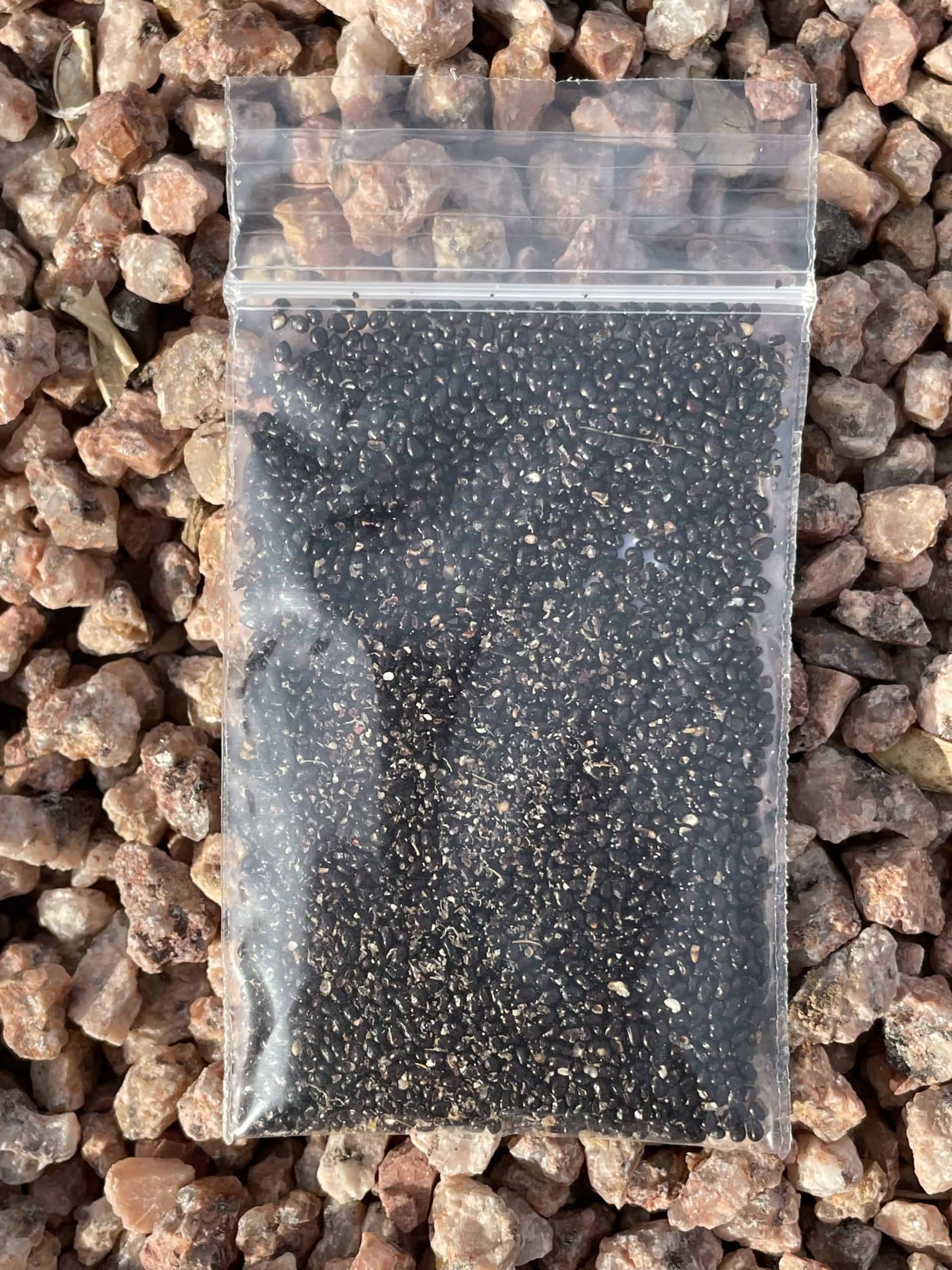
Starting a Carnegiea from seed demands patience and precision. Seeds should be stratified by soaking briefly in warm water to stimulate germination. Sow seeds on the soil surface, lightly covering them with a thin layer of sandy soil to protect from wind and direct sun. Maintaining consistent moisture—without saturation—is critical during early growth; use a fine mist spray to simulate dew rather than overwatering. For young transplants, gently loosen the rootball to encourage outward root expansion and plant at the same root depth as in the nursery container.
Watering Strategies Tailored for Arid Resilience
Watering the Carnegiea involves a delicate balance between hydration and conservation. Overwatering can be fatal, while under-watering during establishment can stunt growth. Newly planted cacti require supplemental irrigation approximately once a week during the first growing season, tapering off as roots deepen. It is beneficial to water deeply but infrequently, encouraging roots to grow downward into the soil in search of moisture. Seasonal rainfall patterns should be considered to avoid excess watering. Remember, Saguaro cacti are built to perform with minimal water, storing reserves within their ribbed stems to endure dry spells.
Protecting Saplings from Environmental Stressors
Young Carnegiea seedlings are vulnerable to temperature extremes, herbivory, and sun scorch. Installing shade cloths during the hottest parts of the day shields tender plants from ultraviolet damage. Furthermore, protective barriers may be necessary to deter desert fauna such as javelinas or rodents, who find tuna fruit and young cactus pads palatable. Cold snaps, though less frequent in desert climates, can also impact juvenile cacti; thus, frost cloths or temporary coverings serve as adequate safeguards when chilling temperatures threaten their survival.
Long-Term Care and Maintenance
Once established, the Carnegiea demands minimal intervention, embodying desert tenacity. However, routine inspection for pests like cochineal scale insects and fungal infections is wise. Removing debris from around the base helps prevent moisture buildup and insect habitation. As the cactus matures, natural growth may cause limbs to develop unique sculptural twists or “arms” that define its silhouette. Avoid pruning unless absolutely necessary, as the plant’s natural form is prized. Periodic soil testing can guide any amendments needed, although nutrient supplementation is rarely required.

Appreciating Carnegiea’s Place in Desert Ecology
The Saguaro is not just a desert ornamental; it serves as a keystone species within its ecosystem. Its blossoms provide nectar for pollinators, while its erect stems offer nesting sites for birds like the Gila woodpecker and elf owl. Planting a Carnegiea fosters biodiversity and contributes to the preservation of delicate desert habitats. Understanding this symbiotic role enriches the gardener’s experience, transforming the act of planting into a commitment to ecological stewardship.
Conclusion: Embracing the Journey of Growth
Planting a Carnegiea gigantea is a rewarding adventure that intertwines patience, respect for natural rhythms, and a passion for desert landscapes. While it requires an informed approach, the result is a living monument to the desert’s indomitable spirit. From seed selection to mature stewardship, each stage offers unique challenges and profound rewards. With the right knowledge and care, your desert garden will soon showcase this iconic cactus, a proud emblem of resilience and beauty for generations to come.
FAQ
What is the ideal soil type for planting Carnegiea?
The ideal soil type is well-drained, preferably sandy or rocky, to prevent water retention.
How can I protect young Carnegiea seedlings from the elements?
Use shade cloths during the hottest parts of the day and protective barriers against herbivores.

Leave a Reply