
Short Answer
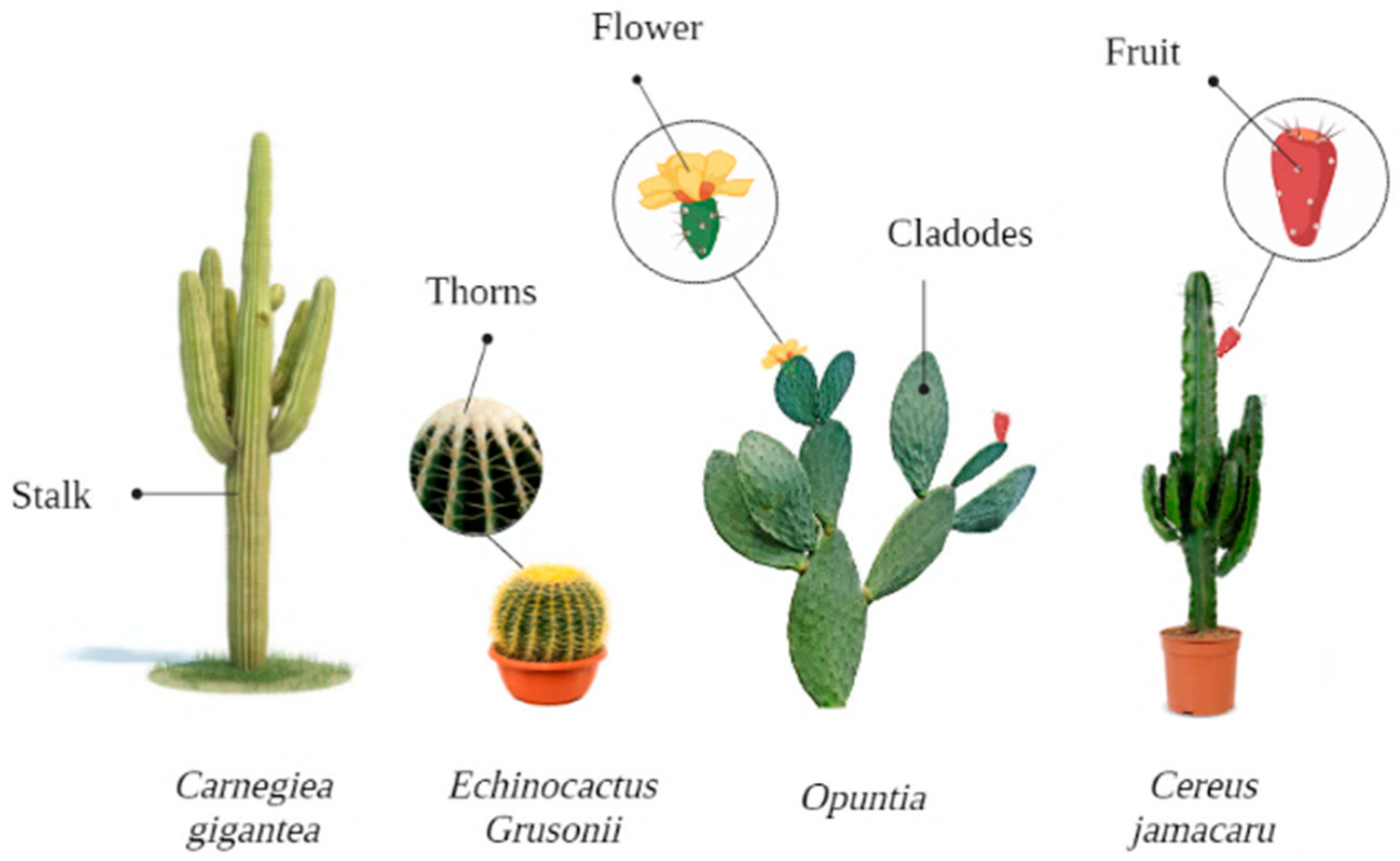
Imagine a prickly silhouette against the desert sun—Opuntia, the resilient cactus, has long been more than just a plant. It has woven itself into the fabric of human creativity, from the brushstrokes of Renaissance masters to the chiseled forms of modern sculptors. This unassuming yet tenacious plant, with its segmented pads and vibrant blooms, has quietly challenged artists to rethink beauty, resilience, and the overlooked corners of nature. In art, Opuntia isn’t just a subject; it’s a statement, a symbol, and sometimes, a silent rebel. Let’s embark on a journey through the most captivating depictions of Opuntia in paintings and sculptures, where every thorn and petal tells a story far beyond the desert’s edge.
The Cactus as Canvas: Opuntia in Botanical Illustration
Before Opuntia graced grand canvases, it found its first artistic home in the meticulous world of botanical illustration. The 18th and 19th centuries saw artists like Maria Sibylla Merian and Pierre-Joseph Redouté immortalizing the cactus with scientific precision, their works serving as both art and encyclopedia. These illustrations weren’t merely decorative; they were revolutionary. They transformed the prickly pear from a curiosity into a subject worthy of admiration, its geometric pads and delicate flowers rendered with a reverence usually reserved for roses or lilies. The contrast between the cactus’s rugged exterior and its ephemeral blooms became a metaphor for hidden beauty—an idea that would later permeate the broader art world.
From Still Life to Symbolism: Opuntia in European Paintings
The transition from botanical plates to oil paintings marked a shift in Opuntia’s artistic identity. In the still lifes of the Dutch Golden Age, the cactus often appeared as a subtle nod to exoticism, its presence hinting at the era’s fascination with global exploration. Yet, it was the Spanish and Mexican artists who truly embraced Opuntia as a cultural icon. Frida Kahlo, for instance, wove the cactus into her self-portraits not just as a backdrop, but as a living extension of her identity—its spines mirroring her own resilience, its flowers blooming with defiance. Meanwhile, in the works of European painters like Henri Rousseau, Opuntia took on a dreamlike quality, its spiny forms softened by lush jungles, blurring the line between reality and fantasy. These paintings didn’t just depict a plant; they captured the essence of endurance in a world that often overlooks the unglamorous.
Sculptural Thorns: Opuntia in Three Dimensions
When Opuntia stepped off the canvas and into the realm of sculpture, it brought with it a new dimension—literally. Artists like Louise Nevelson and Isamu Noguchi experimented with the cactus’s form, using metal, wood, and found objects to evoke its organic structure. Nevelson’s assemblages, with their jagged edges and monochromatic palettes, transformed Opuntia into a totem of industrial modernity, while Noguchi’s stone carvings distilled the plant’s essence into minimalist elegance. These sculptures didn’t just mimic the cactus; they amplified its presence, turning its thorns into metaphors for resistance and its pads into symbols of adaptability. The tactile nature of three-dimensional art allowed viewers to engage with Opuntia in a visceral way, feeling its prickles even if only in their imagination.
Opuntia in Modern and Contemporary Art: A Rebellion of Forms
The 20th and 21st centuries saw Opuntia shed its traditional roles, emerging as a radical figure in contemporary art. Artists like Yayoi Kusama and Ai Weiwei have used the cactus to challenge perceptions of beauty and fragility. Kusama’s repetitive, polka-dotted Opuntia installations play with the idea of infinity and obsession, while Weiwei’s sculptural interpretations critique consumerism and environmental neglect. In street art, Opuntia often appears as a subversive symbol—its spines a metaphor for protest, its resilience a call to action. These modern depictions aren’t just about aesthetics; they’re about reclaiming the narrative of the overlooked, turning a desert plant into a canvas for social and political commentary.
The Desert’s Whisper: Opuntia in Indigenous Art
To understand Opuntia’s full artistic legacy, one must look to the cultures that have revered it for centuries. Indigenous artists across the Americas have long incorporated the cactus into their crafts, from the intricate beadwork of the Navajo to the vibrant murals of Mexican folk art. For these communities, Opuntia isn’t just a plant; it’s a teacher, a healer, and a sacred symbol. Its depiction in art carries stories of survival, spirituality, and connection to the land. By exploring these traditions, we uncover a deeper layer of Opuntia’s significance—one that predates European art by millennia and continues to inspire today. These works remind us that art isn’t just about what we see, but about what we choose to honor.
Opuntia as Metaphor: Beauty, Pain, and Resilience
What makes Opuntia such a compelling subject is its duality. It is both fragile and formidable, delicate and dangerous. Artists have seized on this paradox, using the cactus to explore themes of beauty and pain, growth and sacrifice. In Georgia O’Keeffe’s iconic paintings, Opuntia’s flowers become erotic and sublime, their petals unfurling like a secret. In contrast, the works of contemporary artists like Kara Walker use the cactus’s spiny silhouette to evoke themes of violence and oppression, its forms twisted into haunting narratives. These interpretations reveal how a single plant can embody a spectrum of human experiences, from tenderness to turmoil. Opuntia, in art, becomes a mirror—reflecting our own struggles and triumphs back at us.
The Future of Opuntia in Art: A Call to Reimagine
As we stand on the precipice of a new artistic era, Opuntia’s role in art is far from over. With climate change and biodiversity loss reshaping our world, the cactus’s resilience has never been more relevant. Artists today are using Opuntia to confront environmental crises, to celebrate Indigenous knowledge, and to challenge our perceptions of what is worthy of artistic attention. From digital art to immersive installations, the cactus continues to evolve, its forms adapting to new mediums and messages. The future of Opuntia in art isn’t just about depicting a plant; it’s about reimagining our relationship with the natural world, one spine at a time.
FAQ
What is the cultural significance of Opuntia in art?
Opuntia serves as a symbol of resilience and identity, particularly within Indigenous cultures, and has been embraced by various artists to express deeper themes.
Leave a Reply