
Short Answer
Can a spiky, seemingly indomitable desert dweller become one of agriculture’s greatest unlikely heroes? The humble cactus, long admired for its quirky resilience and water-wise lifestyle, might just be on the verge of an evolutionary leap in the face of climate change. But as the environment shifts unpredictably, could even these desert stalwarts face an uncertain future? Exploring the role of cacti within climate-resilient agriculture uncovers a fascinating nexus of biology, sustainability, and innovation.
The Resilience and Magic of Cacti: Nature’s Desert Survivors
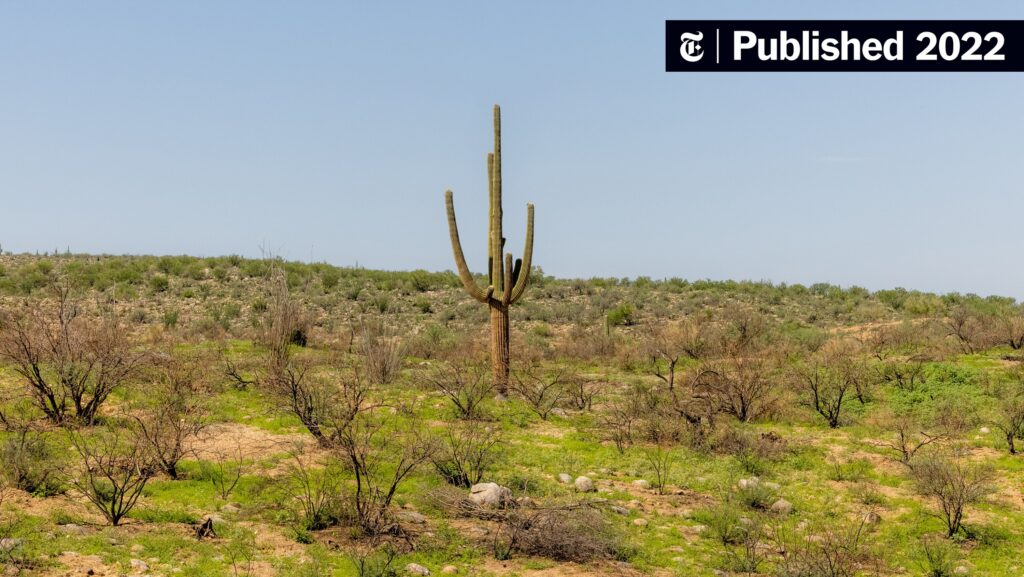
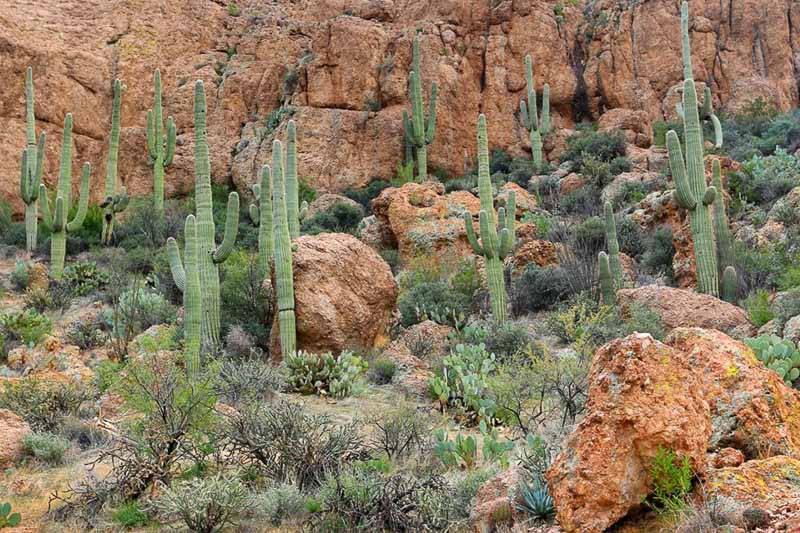
Cacti have thrived for millennia in some of Earth’s harshest environments—regions where scorching sun and near-perpetual drought dominate the landscape. These plants are marvels of evolutionary ingenuity, equipped with specialized adaptations such as succulent tissues that store water, spines that deter herbivores, and CAM (Crassulacean Acid Metabolism) photosynthesis that maximizes water efficiency by fixing carbon dioxide at night. Such adaptations enable cacti to eke out existence where most plants perish.
This resilience is why cacti have long fascinated ecologists and agricultural innovators alike. As agricultural lands face rising temperatures, erratic rainfall, and soil degradation, the question emerges—could these xerophytes form a critical pillar in the future of climate-smart farming systems?

Cacti as Champions of Climate-Resilient Agriculture
The potential for integrating cacti into climate-resilient agriculture systems is vast and multifaceted. For farmers battling water scarcity, traditional crops are becoming harder to sustain. Cacti offer a sustainable alternative that thrives with minimal irrigation, making them excellent candidates for agroforestry, silvopastoral systems, and mixed cropping designs. Their ability to conserve moisture can even contribute to soil stabilization and microclimate moderation.
Incorporating cacti into agricultural landscapes also fosters biodiversity. They provide habitat and nourishment for pollinators and local fauna, reinforcing ecological networks that bolster crop resilience. Furthermore, certain species yield edible fruits and pads rich in nutrients—nopalitos—which play a vital role in local cuisines and nutritional security.
Innovations and Technologies Empowering Cacti Cultivation
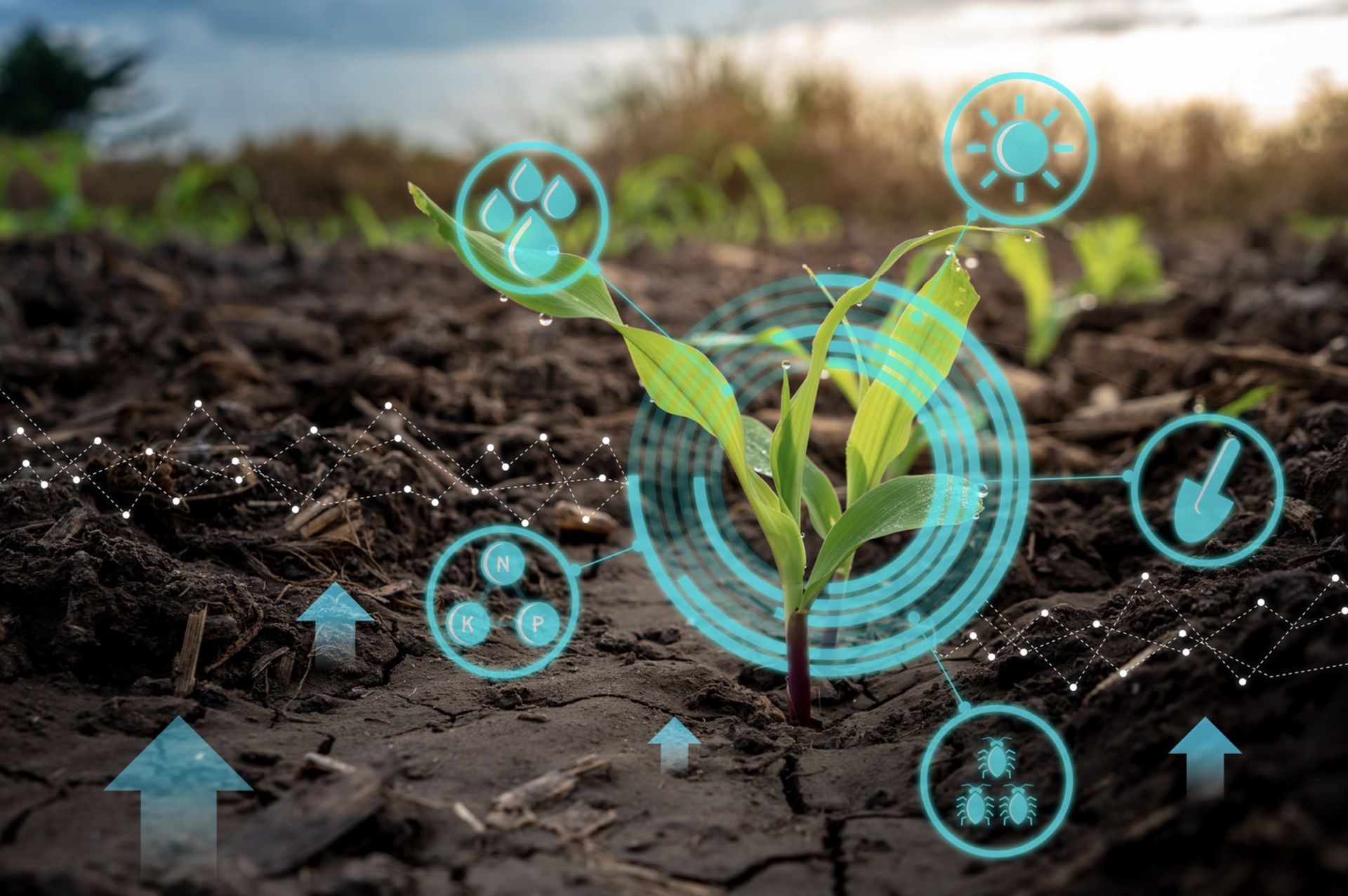
Modern advances in earth observation technologies have revolutionized how we monitor and manage climate-smart agriculture practices involving cacti. Satellite imagery, multispectral sensing, and drone surveys provide real-time data on soil moisture, plant health, and ecosystem dynamics. These tools enable precision agriculture techniques that optimize water usage and enhance drought resilience, decreasing waste and improving yields.
Furthermore, research into genomic selection and hybridization paves the way to cultivate cactus varieties tailored for different regions and climatic extremes. By combining traditional knowledge with cutting-edge science, scientists are enhancing cactus productivity, pest resistance, and nutritional profiles—ushering these resilient plants from the fringes into mainstream agricultural strategies.
Challenges Facing Cacti’s Agricultural Future
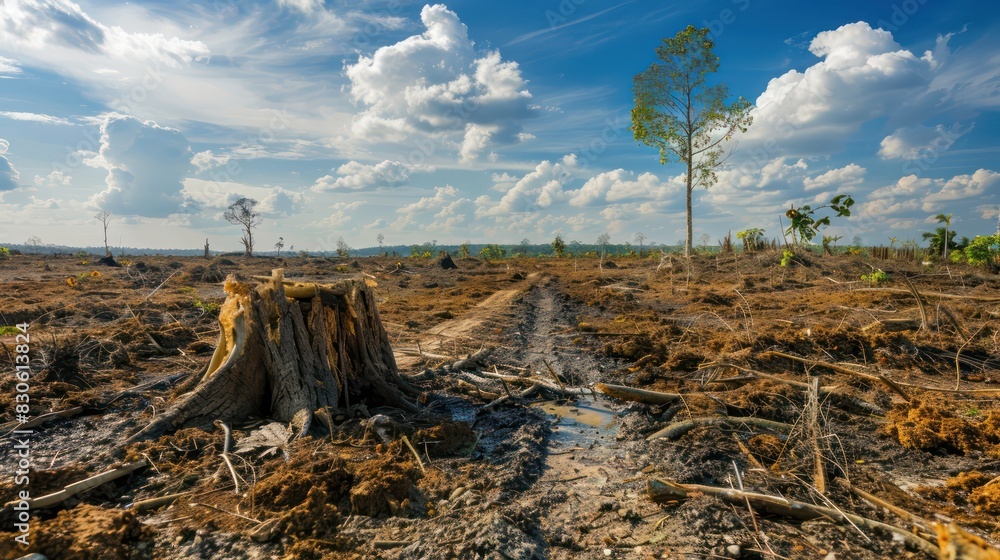
Despite these promising prospects, the future of cacti in agriculture is not without hurdles. Climate change, paradoxically, might push even these tough survivors past their thresholds. More frequent temperature extremes, invasive species, and urban expansion threaten fragile cactus habitats and cultivated stands alike.
Moreover, scaling up cactus agriculture demands overcoming agronomic and market challenges. Many farmers lack experience with cactus cultivation techniques, and the labor-intensive harvesting of certain species can be a deterrent. Market demand for cactus-derived products remains niche, requiring investment in supply chains, processing infrastructure, and consumer education to unlock full economic potential.
There is also an ecological caveat: monocultures of cacti, if poorly managed, could reduce biodiversity or disrupt soil chemistry. Sustainable integration, therefore, is essential to maintain balance—leveraging cacti’s strengths without compromising environmental stewardship.
The Role of Agroforestry and Polyculture Systems
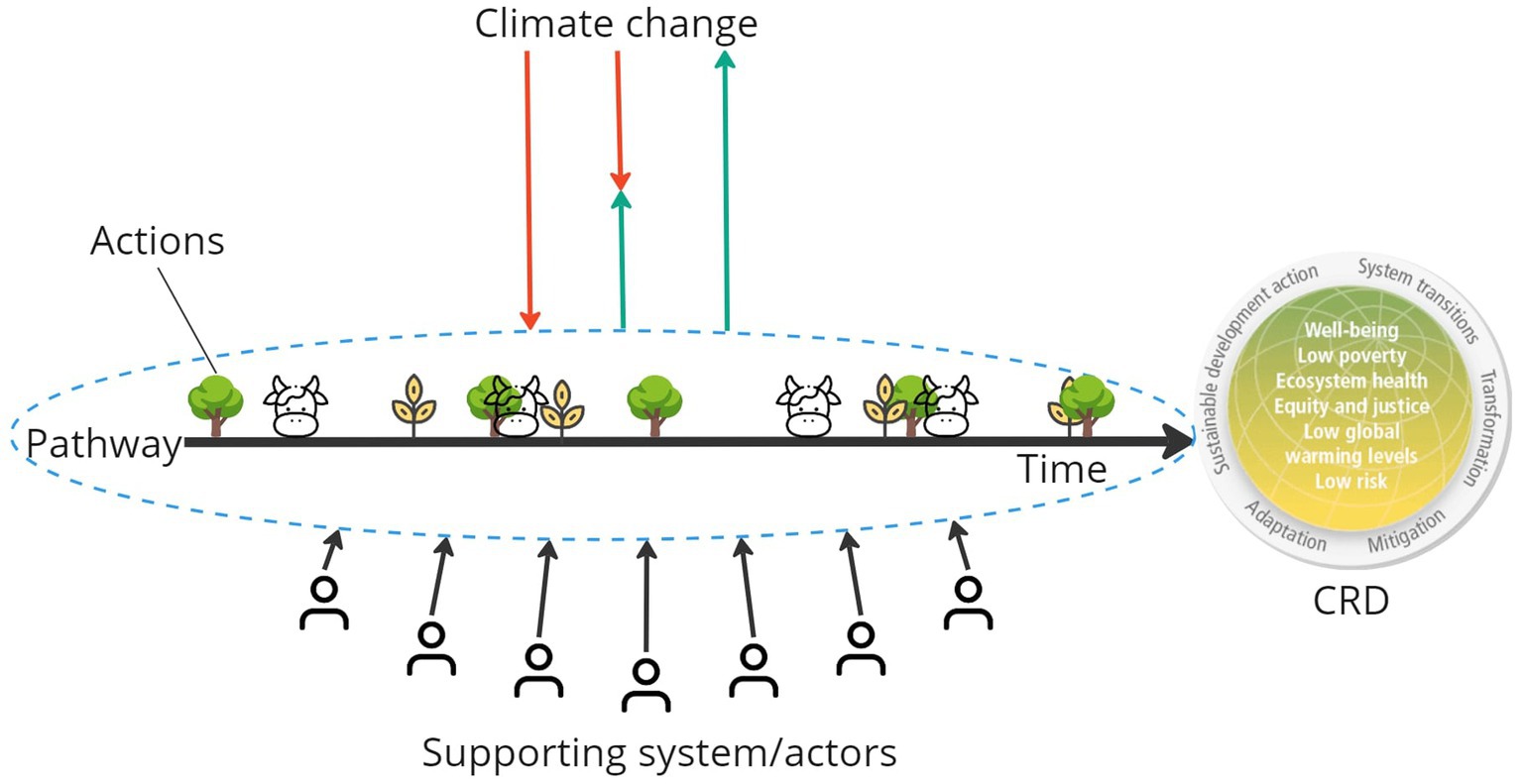
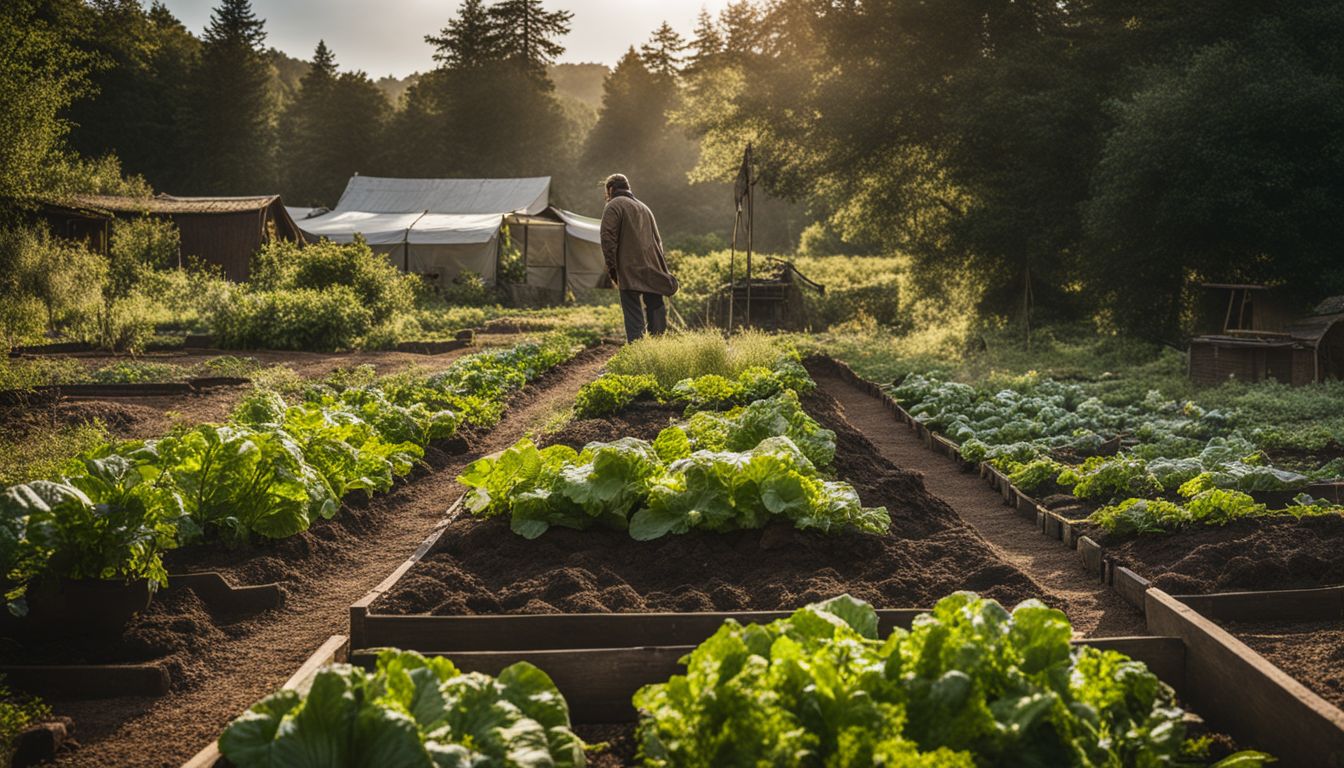
One of the most exciting ways to harness cacti’s potential lies in their role within diversified agroforestry systems. Integrating cacti with other drought-tolerant plants and trees blends their respective ecological functions, creating synergistic benefits. These multi-layered farming designs enhance carbon sequestration, conserve water, and improve nutrient cycling, ultimately building regenerative landscapes resilient to climatic perturbations.
For example, intercropping cacti with leguminous trees can enrich soils with nitrogen, while shade trees reduce evaporation stress on succulents. Polycultures mimic natural ecosystems, stabilizing food production even as weather patterns falter. Such complex, dynamic systems embody principles essential for long-term food security in arid and semi-arid regions.
Looking Ahead: Embracing Possibilities with Pragmatism
The future of cacti in climate-resilient agriculture beckons with tantalizing promise—and inherent uncertainty. These plants offer a beacon of hope for adapting farming to a rapidly warming world, helping secure food and ecosystem services amidst turbulence. However, unlocking their full potential requires holistic approaches that marry innovation with tradition, ecological awareness with economic viability.
Will we rise to the challenge and embrace cacti as planetary stewards? Or will they become another casualty of climatic upheaval, relegated to desert shadows? Our collective response will shape whether cacti remain hardy survivors or ascend as linchpins of agricultural resilience.
FAQ
Why are cacti considered important for climate-resilient agriculture?
Cacti have specialized adaptations like water storage and CAM photosynthesis, allowing them to thrive in arid conditions with minimal irrigation, making them valuable for farming systems facing drought and climate variability.
What innovations are helping improve cactus cultivation?
Technologies such as satellite imagery, drone surveys, genomic selection, and hybridization are enabling precision agriculture and development of cactus varieties suited to diverse climates, enhancing productivity and resilience.
What challenges limit the expansion of cacti in agriculture?
Challenges include climate extremes threatening cactus habitats, lack of farmer experience, labor-intensive harvesting, niche market demand, and ecological risks of monocultures that may reduce biodiversity.
How do cacti contribute to agroforestry and polyculture systems?
Cacti integrated with other drought-tolerant plants improve carbon sequestration, water conservation, soil nutrition, and create resilient, diversified farming landscapes that stabilize food production under changing climates.



Leave a Reply