
Short Answer
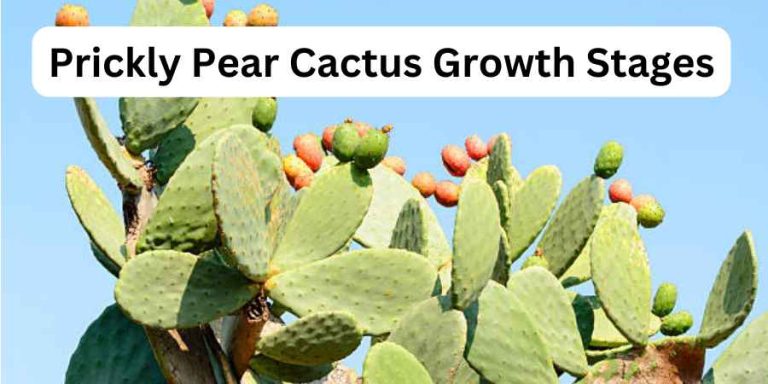
Understanding the growth stages of the Prickly Pear cactus offers invaluable insights into its development and care. This captivating succulent, known for its vibrant pads and delectable fruits, thrives in arid environments and presents a myriad of uses, from culinary delights to sustainable landscaping. Here, we will dissect the various growth stages of the Prickly Pear cactus, delving into its life cycle and practical applications.
Seed Germination: The Beginning of Life
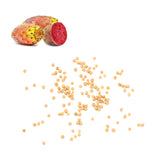
The lifecycle of the Prickly Pear cactus commences with the germination of its seeds. Typically, these seeds can lie dormant in the soil for extended periods, waiting for optimal conditions. In nature, rainfall stimulates germination, providing the moisture necessary for life to take root. Once the seeds absorb enough water, they swell and begin the journey of growth.
Conditions such as temperature, light exposure, and soil quality are crucial at this stage. The seeds prefer well-draining soil, often composed of a mix of sand, loam, and perlite. After germination, which can take anywhere from a few days to several weeks, small seedlings emerge, each displaying a pair of cotyledons, commonly referred to as seed leaves.
These seedlings are vulnerable and require protection from harsh sunlight and excessive moisture. Utilizing a fine mist to maintain humidity without over-saturating the soil ensures their successful establishment. This seedling stage is vital, as it sets the foundation for the cactus’s future growth.
Juvenile Development: The Pad Formation
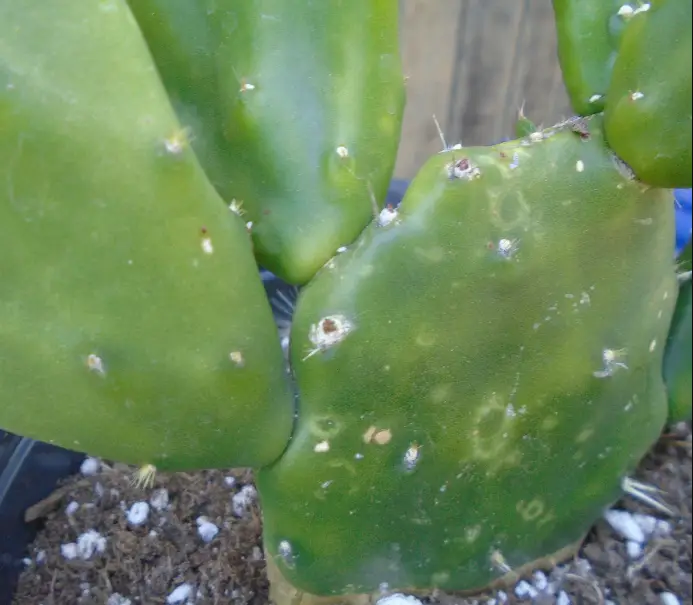
During juvenile development, the cactus needs minimal water, typically only requiring irrigation once the soil has dried out completely. As the pads expand, they become more resilient, adopting a thicker cuticle to minimize water loss. This adaptation is critical given the plant’s natural habitat, characterized by drought and harsh sunlight.
Monitoring the growth of these pads is essential. The juvenile Prickly Pear will continue to develop and produce more pads throughout its lifecycle, creating a unique architecture that can vary significantly among the different species. Some cultivars may showcase an upright structure, while others spread horizontally across the ground.
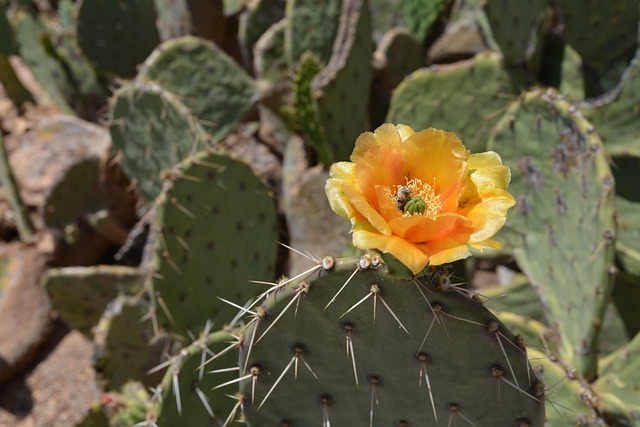
Maturity: Fruit and Flowering
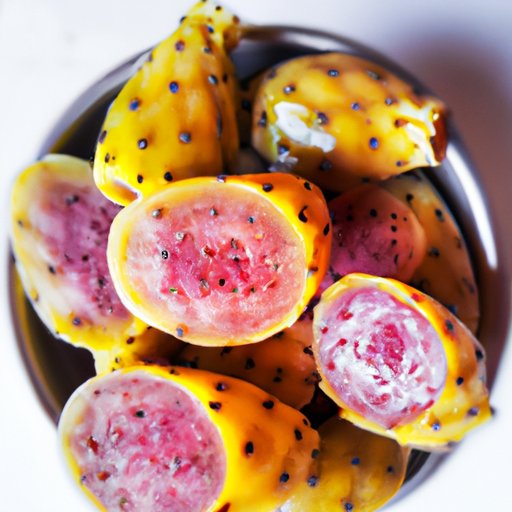
The fruit, known as “tunas,” are fleshy, edible berries that appear in various colors, including red, purple, and yellow. They are rich in vitamins and often harvested for culinary uses, such as jams, juices, and salads. Harvesting these fruits requires caution, as the spines and glochids (tiny hair-like spines) can cause irritation upon contact with skin.
During this phase, ensuring proper pollination, either through insects or hand-pollinating, can significantly boost fruit production. The maturity stage of the Prickly Pear cactus is not just about reproductive success; it also plays a pivotal role in its ecological interactions, providing food and shelter for many insects and other wildlife.
Post-Maturity: Longevity and Resilience
Conclusion: A Journey Through Growth Stages
The growth stages of the Prickly Pear cactus, from seed germination to maturity and beyond, highlight the remarkable adaptability and ecological significance of this succulent. Each stage presents unique characteristics and challenges, requiring attentive care and understanding for optimal health and productivity. With its aesthetic appeal and practical uses, the Prickly Pear cactus serves as a testament to nature’s resilience and the beauty of the desert landscape.
FAQ
What are the main growth stages of the Prickly Pear cactus?
The main growth stages include seed germination, juvenile pad formation, mature pad development, flowering, and fruiting.
What conditions are ideal for Prickly Pear seed germination?
Seeds require well-draining soil, adequate moisture without overwatering, moderate temperature, and protection from harsh sunlight to germinate successfully.
How can I care for young Prickly Pear seedlings?
Maintain humidity with fine misting, avoid over-saturating the soil, provide indirect light, and protect seedlings from extreme weather conditions.

Leave a Reply