
Short Answer
Prickly Pear Cactus Spines: Understanding the Importance and Care of Prickly Pear Spines
Prickly pear cacti, belonging to the Opuntia genus, are fascinating desert plants that are as useful as they are visually captivating. While their vibrant pads and striking flowers may attract admiration, it is the spines that often evoke curiosity and concern, particularly for gardeners and enthusiasts interested in their care. The complex system of spines represents an evolutionary marvel, serving multiple functions that range from protection to environmental adaptation.
Before delving into the details of spine anatomy and care, it is essential to understand the role that spines play in the survival of the prickly pear cactus in harsh environments.
The Multifaceted Role of Spines in Prickly Pear Cacti
Spines serve as a defense mechanism, deterring herbivores and foraging animals from consuming the cactus. Beyond protection, they facilitate water conservation by reducing the surface area exposed to sunlight, thereby lessening evaporation. This adaptation is particularly crucial in arid climates where water is a scarce resource. Additionally, spines can cast shade on the cactus pads, providing further temperature regulation and moisture retention.
Another intriguing aspect of spines is their relationship with the surrounding ecosystem. In some instances, they can collect moisture from condensation, enhancing humidity around the cactus, which may benefit nearby flora. Understanding these multifaceted functions underscores the importance of the spines, not just for the cactus, but for the overall health of the ecosystem they inhabit.
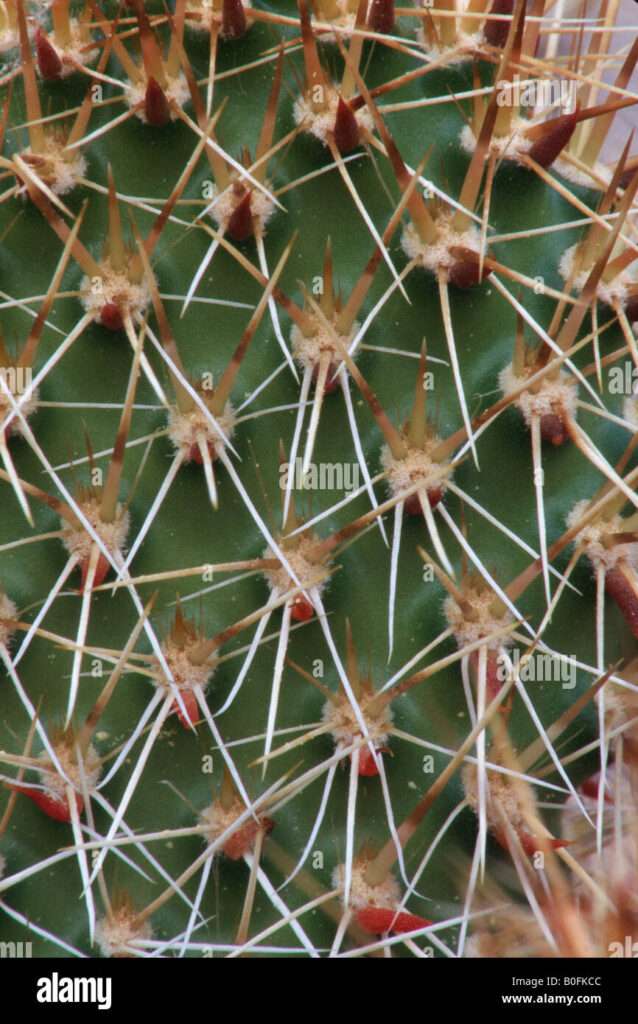
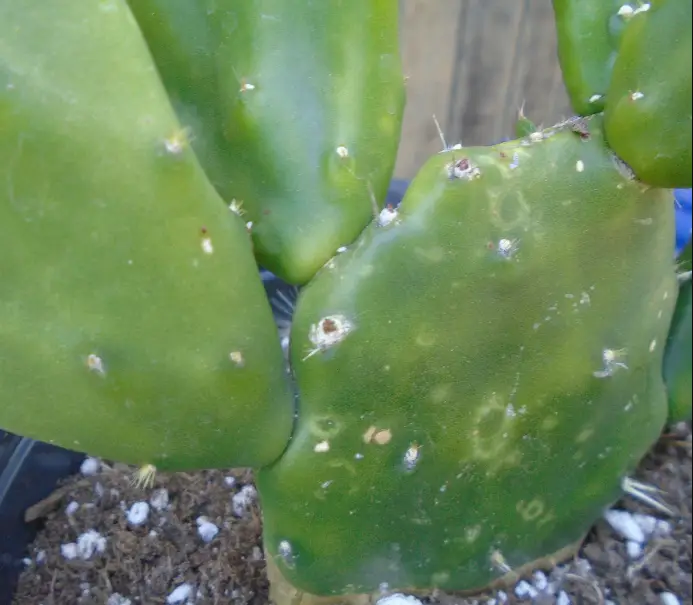
Some spines, called glochids, are small and hair-like. These tiny barbed structures can easily detach and embed themselves in the skin of unsuspecting passersby. Glochids pose a unique challenge, as they are often overlooked yet can cause significant irritation when they penetrate the skin. Awareness of this characteristic is crucial for those who wish to handle or cultivate prickly pear cacti. Proper handling techniques and the use of protective gloves are advisable when interacting with these plants.
Identifying Types of Spines: A Closer Look at the Variability
Not all prickly pear spines are created equal. The morphology of spines can vary significantly based on environmental conditions, species, and even individual plants. Spines can be classified into several categories: primary spines, secondary spines, and glochids. Understanding these categories can enhance care strategies and help in the overall management of prickly pear cacti.
Primary spines are larger and more robust, often serving as the first line of defense. Secondary spines are smaller and may not always be present, depending on the plant’s health and environmental stressors. Glochids, the tiny and irritating spines, are primarily responsible for defensive behaviors while also providing water retention benefits. Each spine type contributes to the overall health and survivability of the plant, thereby emphasizing the need for careful management.
Caring for Prickly Pear Cacti: Spine Management and Maintenance
For gardeners looking to cultivate prickly pear cacti, understanding spine care is paramount to ensuring the plant’s health and safety. While prickly pear cacti are known for their resilience, proper attention to their spine management can significantly enhance flourishing growth.
When planting or repotting, choose locations that provide adequate drainage. Overwatering can lead to rot, compromising the plant’s health and its spines. Use a well-draining soil mix, ideally formulated for cacti and succulents, to prevent moisture-related issues. Cacti generally prefer their soil to dry out completely between watering sessions. This practice not only maintains healthy spine growth but also aligns with the plant’s natural habitat.
Regularly inspect the spines for signs of disease or damage. If you notice discoloration or weakness in the spines, it may indicate underlying health issues. Addressing these concerns promptly can save the plant from further stress. When necessary, removing any dead or weak pads—while ensuring that you avoid damaging the spines—is essential to promote upright growth and encourage rejuvenation.
Protective gloves are crucial during any maintenance tasks. Glochids can easily detach from the spines; thus, wearing gloves can prevent painful encounters. If glochids do cling to the skin, using duct tape to gently pull them off is often recommended. Being prepared for such encounters will foster a more enjoyable experience and promote confidence when caring for prickly pear cacti.
Spines in Culinary and Medicinal Use: A Culinary Delight and Health Benefits
The spines of prickly pear cacti extend beyond mere protection; they also play a role in various culinary and medicinal uses. The pads of prickly pear, known as nopales, are edible and rich in nutrients, including fiber and antioxidants. While the spines must be carefully removed before consumption, their presence contributes to the plant’s nutritional profile.
Furthermore, prickly pear extract is commonly used in traditional medicine, recognized for its potential benefits in controlling blood sugar levels and aiding digestion. By understanding the overall importance of spines alongside the consumable elements of the cactus, a holistic view of its role as a food source becomes evident.
Conclusion: Embracing the Complexity of Prickly Pear Cactus Spines
The spines of prickly pear cacti are indispensable in understanding their ecology and cultivation. They offer protection, contribute to environmental adaptability, and are tied to culinary and medicinal uses. As such, being both aware and respectful of their function is crucial for anyone looking to cultivate or appreciate these remarkable desert plants.
By integrating effective care practices and acknowledging the multi-dimensional aspects of spines, gardeners and enthusiasts can enhance their knowledge and enjoyment of prickly pear cacti, making the experience rewarding and beneficial for both the individual and the environment.
FAQ
What are the main types of spines found on prickly pear cacti?
Prickly pear cacti have primary spines (large and robust), secondary spines (smaller and less common), and glochids (tiny, barbed, and irritating).
Why is it important to wear gloves when handling prickly pear cacti?
Because glochids are tiny barbed spines that detach easily and can cause irritation or embed in skin, gloves protect against these painful encounters.
How do prickly pear spines help the plant survive in arid environments?
They reduce water loss by shading the pads and lowering evaporation, and they provide physical protection against animals.
Can prickly pear cactus spines be used in medicine?
While spines themselves are not used medicinally, extracts from the cactus pads have traditional medicinal applications.
Leave a Reply