
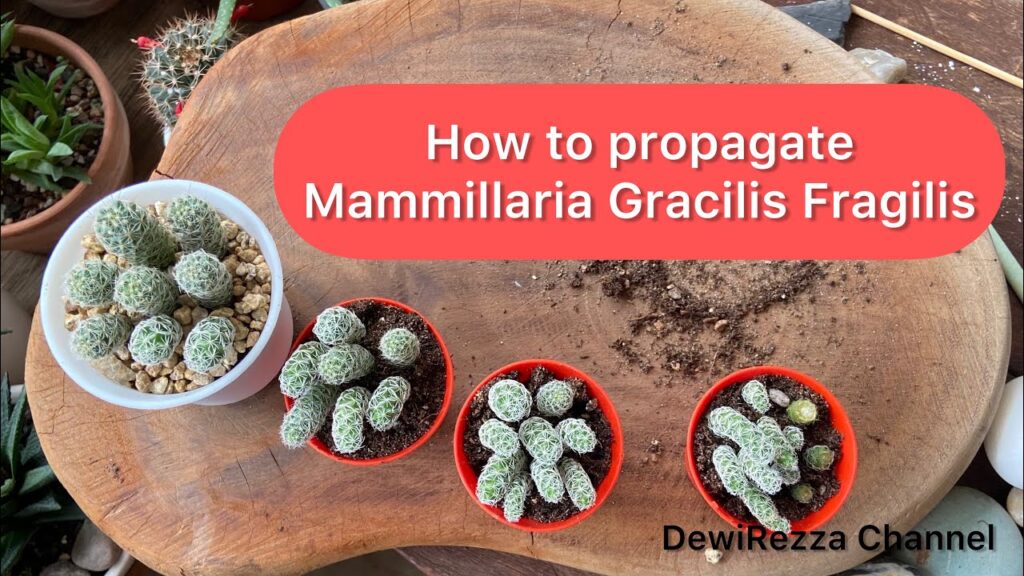
Short Answer
Ever found yourself staring at a cluster of tiny, round cacti sprouting from the base of their parent like eager little offspring, and wondered: How on earth do I give these tiny rebels a life of their own? Welcome to the world of Mammillaria offsets—nature’s way of saying, “Here, take my babies, but don’t mess it up.” Propagating these spiky darlings from offsets isn’t just a gardening task; it’s a rite of passage into the secret society of cactus whisperers. And trust me, once you master this, you’ll be the go-to sage for every plant parent who’s ever panicked over a rogue offset. So, grab your gardening gloves and a dash of audacity—because today, we’re turning those tiny clones into full-fledged, independent Mammillaria specimens.
The Art of Offshoot Identification: Spotting the Mini-Me’s in the Wild
Not all offsets are born equal. Some cling to their parent like overprotective siblings, while others boldly venture out, forming their own little colonies. The key? Look for those plump, round pups nestled at the base of the mother plant. They should be at least a third the size of the parent—smaller ones are too tender for the transplant shock. Think of it as adopting a kitten: you wouldn’t take one that’s still wobbly on its feet, right? These offsets are often connected by delicate, thread-like roots, which you’ll want to sever with the gentleness of a surgeon. A pair of sterilized scissors or a sharp knife will do the trick. Pro tip: Let the cut callous over for a day or two. This isn’t just about avoiding rot—it’s about giving your offset a moment to psych itself up for its grand debut.
Timing is Everything: When to Make Your Move
Spring and early summer are your golden windows. Why? Because this is when Mammillaria are in their growth spurt, practically begging for new beginnings. Attempting this in winter is like asking a hibernating bear to do yoga—it’s not happening. During active growth, the offsets will have the energy reserves to establish themselves without throwing a tantrum. Plus, the warmer temperatures reduce the risk of cold shock, which is basically the plant equivalent of catching a chill. If you’re propagating indoors, ensure the soil stays between 70–80°F (21–27°C). Too cold, and the offset will sulk. Too hot, and it’ll wilt like a drama queen under stage lights.
The Perfect Soil: Crafting a Home for Your Spiky Prodigy
Mammillaria aren’t divas, but they do have standards. They crave a soil mix that’s gritty, well-draining, and just a little bit rebellious. Start with a base of standard cactus mix, then amend it with perlite, pumice, or coarse sand—think of it as adding crunch to your soil’s personality. The goal? To mimic the arid, rocky landscapes of their native habitats. A 50/50 blend of cactus mix and perlite is a safe bet, but if you’re feeling adventurous, toss in a handful of crushed granite for that extra “I survived the desert” flair. Avoid peat-heavy mixes; they retain too much moisture and can lead to root rot faster than you can say “oh no, my cactus is drowning.”
Potting with Precision: The Delicate Dance of Placement
Here’s where things get tricky. You’ve got your offset, your soil mix, and a pot with drainage holes (because soggy cacti are a tragedy). Now, dig a small hole—just deep enough to nestle the offset’s base without burying it alive. Gently press the soil around it, but don’t compact it like you’re packing a suitcase for a long trip. Mammillaria need room to breathe, and their roots despise suffocation. Place the pot in bright, indirect light—think of it as a cozy reading nook for your plant. Direct sunlight is a no-go at this stage; it’s like throwing a newborn into a mosh pit. A south-facing window with a sheer curtain is ideal. And here’s a pro move: rotate the pot weekly. This prevents your offset from growing lopsided, like a teenager who refuses to stand up straight.
The Waiting Game: Patience and the Perils of Overwatering
This is where most beginners trip up. You’ve planted your offset, given it a pep talk, and now you’re hovering like a helicopter parent. Resist the urge to water immediately. Remember, the cut end needs to heal, and water is the enemy of calloused wounds. Wait at least a week—longer if the air is humid. When you do water, do it like you’re misting a soufflé: lightly and infrequently. Stick your finger an inch into the soil. If it’s dry, it’s time. If it’s damp, your offset is still in its “I’m on a liquid diet” phase. Overwatering is the fast track to root rot, and root rot is the plant equivalent of a slow-motion car crash. Bottom watering is your friend here—place the pot in a shallow tray of water for 10 minutes, then let it drain. This ensures even moisture without the drama.
Signs of Success: When Your Offset Starts Thriving
After a few weeks, you’ll notice subtle changes. The offset’s color will deepen, a sign it’s photosynthesizing like a champ. New spines may emerge, sharper and more defined than before. This is your cue that the roots are establishing themselves. If the offset feels firm when gently tugged (but don’t tug too hard—we’re not interrogating it), it’s a green light. If it wobbles, it’s still clinging to its past life. Don’t panic if growth seems slow. Mammillaria are the tortoises of the plant world—steady, unhurried, and ultimately unstoppable. In a few months, you’ll have a fully independent plant, ready to flaunt its spiky glory.
Troubleshooting: When Your Offset Throws a Tantrum
Even the best-laid plans can go awry. If your offset starts looking like it’s been through a blender—soft, mushy, or discolored—it’s likely succumbed to rot. Cut away the affected tissue, sterilize the area, and repot in fresh soil. If the offset is wrinkled but firm, it’s thirsty. Give it a drink, but ease up on the frequency. And if you spot tiny, cottony clusters? Mealybugs. Blast them with a mix of water and mild soap, or use neem oil. Prevention is key: always inspect new offsets for hitchhikers before potting.
The Reward: A Garden of Your Own Making
There’s something deeply satisfying about nurturing a tiny offset into a thriving, flowering adult. It’s a testament to patience, care, and a little bit of luck. Soon, your Mammillaria will reward you with vibrant blooms, a dazzling display of nature’s artistry. And every time you propagate another offset, you’re not just growing plants—you’re growing a legacy. So, the next time you see those little pups clinging to their parent, don’t hesitate. Grab your tools, channel your inner plant whisperer, and give those spiky babies the life they deserve.
FAQ
What are offsets in Mammillaria?
Offsets are small cacti that grow at the base of the parent plant, often referred to as pups.
When is the best time to propagate Mammillaria?
The best time to propagate Mammillaria is during spring and early summer when the plant is actively growing.
What type of soil is best for Mammillaria propagation?
A gritty, well-draining soil mix that includes cactus mix and perlite is ideal for Mammillaria propagation.
How do I know if my Mammillaria offset is thriving?
Signs of a thriving offset include a deepening color, new spine growth, and firmness when gently tugged.
FAQ
What is the best time to propagate Mammillaria?
Spring and early summer are ideal for propagating Mammillaria offsets as the plants are in their growth phase.
How do I know if my offset is ready to be transplanted?
Offsets should be at least a third the size of the parent plant and feel firm when tugged gently.
What type of soil is best for Mammillaria propagation?
A gritty, well-draining soil mix, ideally a combination of cactus mix and perlite, is recommended.
FAQ
What are Mammillaria offsets?
Mammillaria offsets are small cacti that grow at the base of the parent plant, often referred to as pups, which can be propagated to grow new plants.
When is the best time to propagate Mammillaria?
The best time to propagate Mammillaria is during spring and early summer when the plants are actively growing.
What soil is best for propagating Mammillaria?
A gritty, well-draining soil mix is ideal, typically a blend of cactus mix and perlite or sand.
How do I know if my offset is ready to thrive?
Look for deepening color and firm texture; new spines and firmness indicate successful root establishment.



Leave a Reply