
Short Answer
Imagine a tiny, armored warrior—cloaked in spiny resilience—waiting beneath the soil, poised to crack open the earth’s embrace and rise toward the sun. This is the Ferocactus, a cactus genus whose seeds hold the promise of a slow-burning revolution in arid landscapes. Unlike their flashier desert cousins, Ferocacti are the quiet architects of endurance, their germination a testament to patience and precision. To coax these botanical titans from dormancy into vibrant life requires more than mere watering; it demands an understanding of their primal language—a dialogue between seed and soil, time and temperature, shadow and light. Let’s embark on a journey to unlock the secrets of Ferocactus seed germination, where every step is a dance with the desert’s ancient wisdom.
The Seed’s Silent Overture: Understanding Ferocactus Germination Triggers
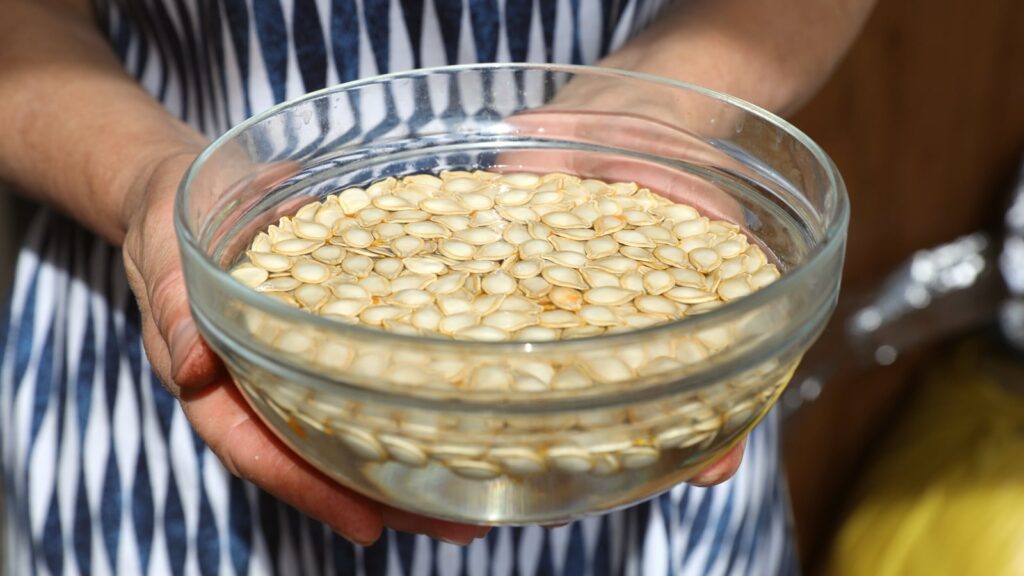
At the heart of Ferocactus germination lies a paradox: the seed must be both awakened and restrained. These seeds are not mere slumberers; they are time capsules of evolutionary strategy, evolved to germinate only when conditions whisper of survival. The first trigger is moisture—a slow, deliberate infiltration that softens the seed’s outer armor without drowning it. Too much water, and the seed drowns in its own potential; too little, and it remains a prisoner of the soil. The ideal rhythm mimics the desert’s rare, generous rains: a deep soak followed by a patient wait, allowing the seed to absorb just enough to swell without suffocating.
Temperature, too, plays a symphony. Ferocacti are children of the sun’s harsh lessons, and their seeds respond to warmth like a musician to a conductor’s baton. A consistent range between 75°F and 85°F (24°C–29°C) is their sweet spot, where metabolic processes hum to life without overheating. Yet, this warmth must be tempered by the cool embrace of night, a diurnal shift that signals the seed it is not alone in the world—it is part of a rhythm older than the pyramids.
The Soil’s Alchemy: Crafting the Perfect Germination Bed
If the seed is the warrior, then the soil is its battleground—a terrain that must be both nurturing and unyielding. Ferocacti are not fussy, but they are discerning. A well-draining medium is non-negotiable; a mix of coarse sand, perlite, and a whisper of organic matter creates a cradle that holds moisture without trapping it. Think of it as a desert wadi, where water flows freely but does not linger, allowing roots to stretch and breathe.
Sterility is another ally. While the desert may teem with life, its soils are not sterile—yet they are selective. To mimic this, a light dusting of cinnamon or a rinse with diluted hydrogen peroxide can ward off fungal interlopers without harming the seed’s delicate embryo. The goal is not to create a sterile lab but to invite only the most beneficial microbes to the party, those that will fortify the seed’s defenses without stifling its growth.
And then there is the matter of depth. Ferocactus seeds are not deep divers; they need only a shallow burial, just enough to anchor them while allowing their first tentative roots to probe the darkness. A sprinkle of fine gravel or sand on top acts as a protective blanket, shielding the seed from the sun’s scorching gaze while still permitting light to filter through like dappled shade beneath a mesquite tree.
Patience as a Virtue: The Art of Waiting for the First Sprout
Here lies the true test of a gardener’s mettle: the art of doing nothing. Ferocactus seeds are not sprinters; they are marathon runners, capable of lying dormant for years until the stars align. Rushing them with overzealous watering or premature disturbance is like shouting at a sleeping giant—it only delays the inevitable. The first sign of life may take weeks, even months, a slow unfurling that rewards steadfastness.
During this liminal phase, the seed’s environment must remain a sanctuary. A humidity dome—crafted from a clear plastic lid or a misted plastic bag—can create a microclimate of gentle moisture, but it must be opened periodically to prevent the suffocating embrace of condensation. The seed is not a prisoner here; it is a guest in a carefully curated retreat, where every element conspires to nudge it toward germination.
And when the moment arrives—when a tiny, crimson hook breaches the soil—it is not a cause for celebration but a signal to double down on care. The first leaves, or cotyledons, are not true leaves but embryonic flags, raised in defiance of the odds. They are fragile, translucent, and utterly dependent on the conditions their parent seeds have so meticulously prepared for.
The Light’s Crucible: Balancing Sun and Shadow
Light is both a lifeline and a threat to the nascent Ferocactus. Too much direct sun, and the tender sprout will crisp like a forgotten tortilla; too little, and it will stretch and weaken, a pale imitation of its destined form. The solution lies in the golden mean: bright, indirect light that mimics the dappled shade of a desert shrub. A south-facing window with a sheer curtain or a grow light set to 12–14 hours a day provides the perfect balance.
As the seedling matures, its relationship with light evolves. The cotyledons, once its sole sustenance, will wither as true spines emerge—armor for the battle ahead. This is the cactus’s coming-of-age moment, where it sheds its vulnerability and embraces its identity. The light must now be more direct, but still filtered, as the plant begins its slow ascent toward the sky, its ribs expanding like the pleats of a fan unfolding in the desert breeze.
Nurturing the Young Warrior: From Seedling to Spine-Clad Guardian
The first year of a Ferocactus’s life is a delicate dance between growth and restraint. Water must be offered judiciously—enough to quench thirst but not so much as to encourage rot. A deep watering every two to three weeks, allowing the soil to dry completely between sessions, teaches the plant the rhythm of its ancestors: feast when the rains come, survive when they do not.
Fertilization is a double-edged sword. While young, the Ferocactus is a minimalist, thriving on the sparse nutrients of its native soils. A diluted, low-nitrogen fertilizer applied sparingly in the growing season can provide a gentle boost, but overfeeding is a fast track to a bloated, weak plant. Think of it as a warrior’s diet: lean, protein-rich, and unadorned with excess.
And then there are the spines. At first, they are soft and sparse, more decorative than defensive. But as the plant matures, they harden into a formidable array, each spine a testament to the cactus’s evolutionary pact with the desert. These spines are not mere adornments; they are tools of survival, deflecting predators, shading the plant, and even collecting dew in the rare moments of moisture.
The Reward: A Living Monument to Patience and Precision
To germinate a Ferocactus is to participate in a ritual older than agriculture itself. It is to hold a piece of the desert’s soul in your hands, to nurture a plant that will outlive you, its ribs expanding year by year like the rings of a tree, each one a record of drought and deluge, of heat and cold. This is not gardening as conquest but as collaboration—a partnership with a plant that has spent millennia perfecting the art of endurance.
The first bloom is a miracle, a burst of color in a landscape of thorns, a fleeting reminder that even the most armored warriors are capable of tenderness. It is the desert’s way of saying, “You have waited long enough. Now, let us celebrate.”
So tend your Ferocactus seeds with reverence. Water them with intention, shelter them from excess, and above all, respect their silence. For in their slow, deliberate awakening, you will find not just a plant, but a philosophy—a reminder that the most profound transformations are not rushed, but savored.
FAQ
What conditions are ideal for Ferocactus seed germination?
Ferocactus seeds require consistent temperatures between 75°F and 85°F, adequate moisture, and a well-draining soil mix.
How long does it take for Ferocactus seeds to germinate?
Germination can take weeks to months, as Ferocactus seeds may lie dormant until optimal conditions are met.

Leave a Reply